Skip to content
LinkedIn
X
Facebook
Instagram
Reddit
Spotify
RSS Feed
Search
News
Blog
Industry Insights
Expert Profiles
Biochar Decoded
Ask Annie
Announcements
Podcast
Videos
Insights
Use Cases
Agriculture
Horticulture
Livestock
Landscaping
Building Materials
Concrete / Asphalt
Reforestation
Soil Remediation
Water Treatment
Carbon Sequestration
About
About Biochar Today
Partner Directory
Editorial Guidelines
Contact
co-pyrolysis
Low-Cost Biochar from Wood and Plastic Waste Cuts Heavy Metal Testing Expenses by Thirty-Eight Percent
Biochar Electron Exchange Capacities Exceed Other Carbon Materials while Chemical Titration Measures Up to 470 Millimoles per Gram
Integrated Thermochemical Approach Optimizes Energy and Nutrient Recovery from Anaerobic Digestate
Magnesium Oxide Impregnated Combined Biochar Enhances Simultaneous Removal of Lead and Chromium from Wastewater
Pyrolysis and Porosity Adjustments Boost Micropore Development by 30% to 40% in Engineered Biochar-Mineral Composites
Intrinsic Redox Superiority Drives Biochar Application Efficiency Over Traditional Carbon Materials
Metal Oxide Catalysts Reduce Toxic Chemical Emissions During Composite Processing by 15% to 20%
Pyrolyzing Plastic-Contaminated Melon Vines at 500°C Increases Cabbage Yields by 119 Percent While Immobilizing 95 Percent of Soil Lead
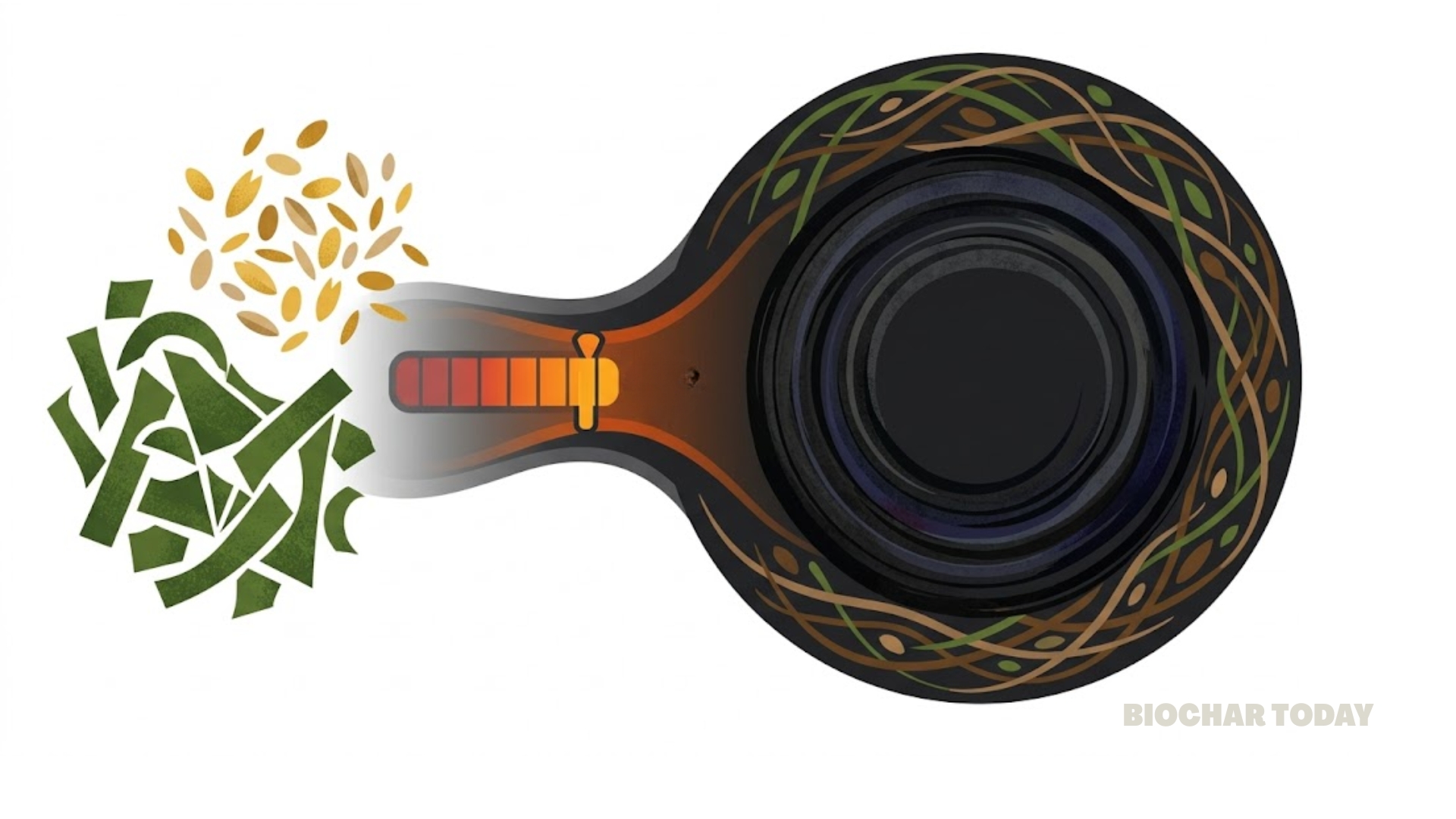
Co-Pyrolysis of Corn Stalk and Rice Husk at 400°C Yields Stable Biochar with 64.87% Organic Matter
Designing Biochar from Complex Wastes: What Research Is Teaching Us
1
2
3
4
Next Page
Loading Comments...
Write a Comment...
Email (Required)
Name (Required)
Website