
Hanafi, et al (2024) Feasibility of biocharBiochar is a carbon-rich material created from biomass decomposition in low-oxygen conditions. It has important applications in environmental remediation, soil improvement, agriculture, carbon sequestration, energy storage, and sustainable materials, promoting efficiency and reducing waste in various contexts while addressing climate change challenges. More for low-emission soft clay stabilization using CO2 curing. Transportation Geotechnics. https://doi.org/10.1016/j.trgeo.2024.101370
Biochar, a byproduct of biofuel production, is showing promise as a sustainable solution for stabilizing soft clays, especially in regions like Finland aiming for carbon neutrality. Traditional methods, such as using lime-cement binders, contribute significantly to carbon emissions, posing challenges for achieving environmental goals. In response, a study examined the potential of using biochar in combination with accelerated CO2 curing (ACC) to reduce emissions and strengthen soft clay.
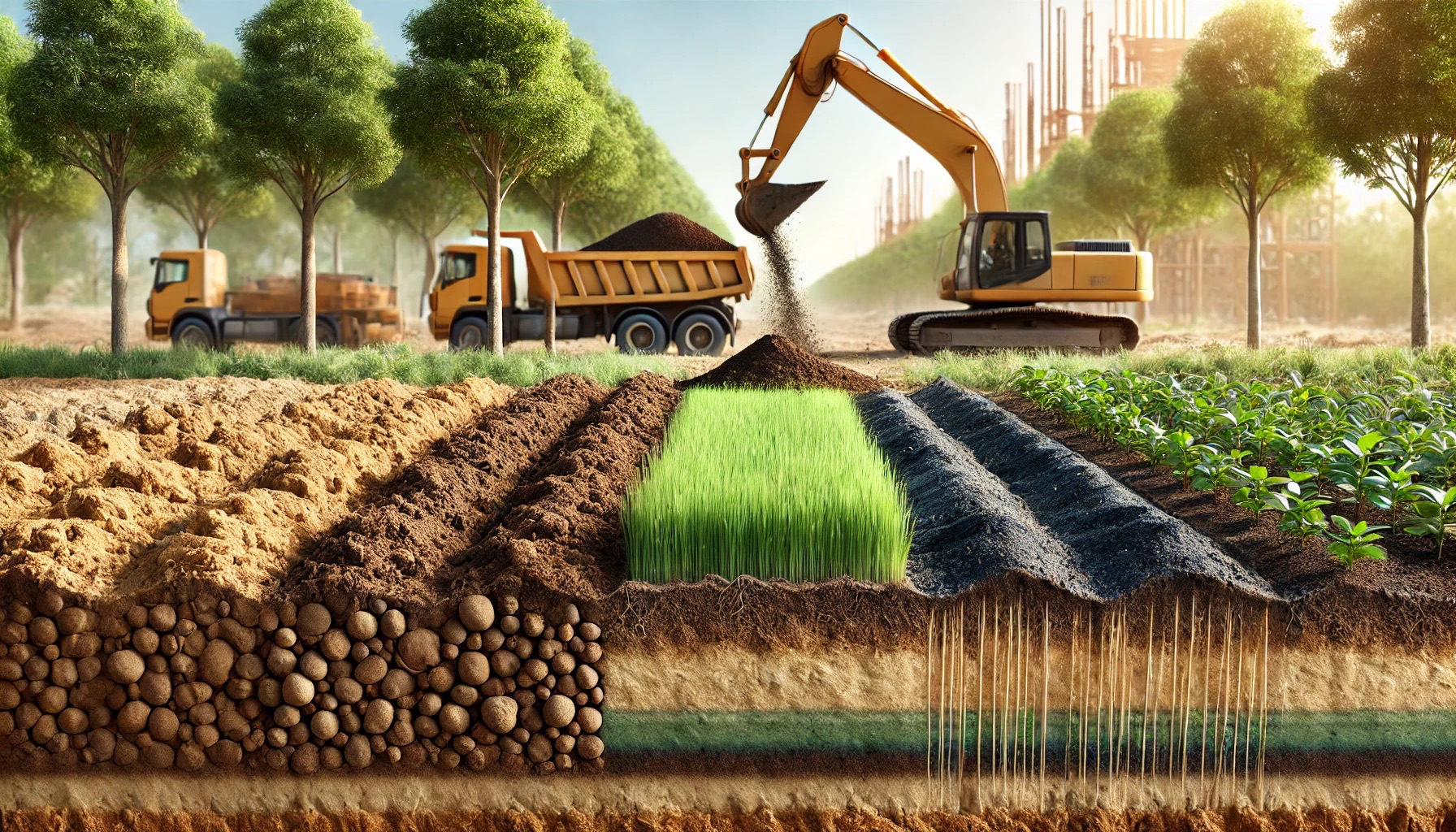
Biochar was used to partially replace cement in the stabilization of clay, with trials at 0%, 10%, and 50% replacement. The results showed that biochar, due to its porous structure and surface properties, enhances CO2 diffusion in the clay matrix. The ACC treatment further increases the formation of stable carbonates, which contributes to improved compressive strength and CO2 sequestration. Notably, replacing 50% of the cement with biochar in deep clay layers resulted in load-bearing capacities meeting Finnish standards for infrastructure, while also achieving near carbon-negative emissions.
This approach has the potential to significantly reduce the carbon footprint of construction projects, with life cycle assessments indicating net negative carbon emissions when biochar is used extensively. While further research is needed to scale these methods in real-world applications, this study suggests that biochar combined with ACC could be a key tool in the effort to decarbonize the geotechnical construction sector.





Leave a Reply