Skip to content
LinkedIn
X
Facebook
Instagram
Reddit
Spotify
RSS Feed
Search
News
Blog
Industry Insights
Expert Profiles
Biochar Decoded
Ask Annie
Announcements
Podcast
Videos
Insights
Use Cases
Agriculture
Horticulture
Livestock
Landscaping
Building Materials
Concrete / Asphalt
Reforestation
Soil Remediation
Water Treatment
Carbon Sequestration
About
About Biochar Today
Partner Directory
Editorial Guidelines
Contact
compressive strength
Sustainable Concrete Mix With Biochar Boosts Strength by 15% While Absorbing 1.2 Grams of Carbon Dioxide Daily
Human Waste to Green Building Material: Replacing Cement With 10% Faecal Sludge Biochar Boosts Long-Term Concrete Strength by 21%
Up to Ten Percent Sludge Biochar Substitution Boosts Concrete Strength and Traps Heavy Metals
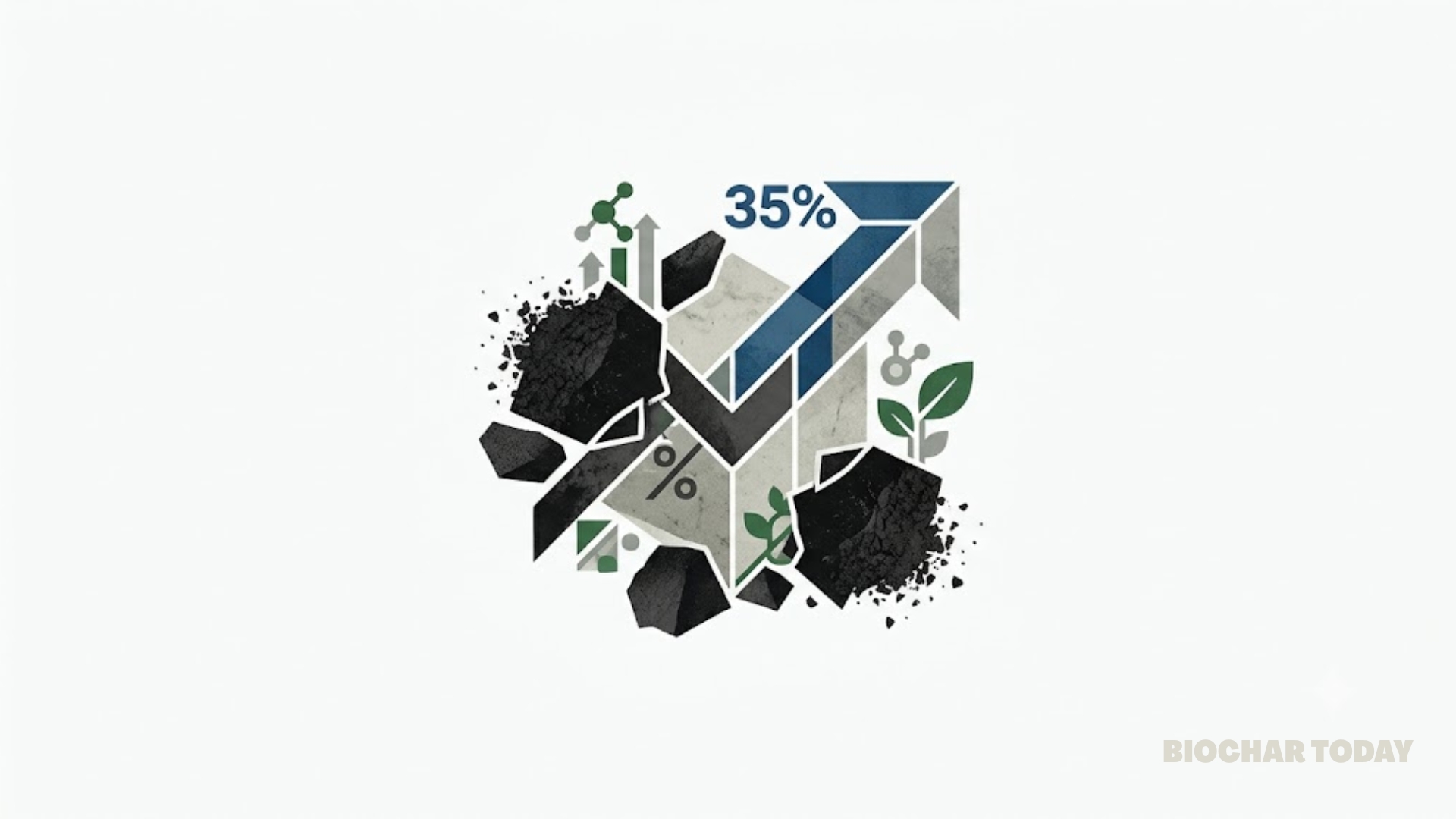
325-Mesh Biochar at 2% Dosage Boosts Hydraulic Lime Carbon Capture by 14.6% and Early Strength by 35.7%
Finely Ground Biochar at Two Percent Dosage Enhances Compressive Strength of Natural Hydraulic Lime by Up to Thirty-Five Percent While Boosting Carbon Capture By Fifteen Percent
Replacing Sixty Percent of Cement with Biochar Cuts Concrete Manufacturing Carbon Footprint by Over Fifty Eight Percent
Sugarcane Bagasse Biochar at One Percent Replacement Level Optimizes Sustainable High Strength Concrete Performance
Mixing Biochar Into Concrete slashes Embodied Carbon Emissions by Up To 88 Percent
Sugarcane Bagasse Biochar Pyrolyzed at Four Hundred Degrees Celsius Maximizes Compressive Strength and Limits Swelling in Eco-Friendly Steelmaking Agglomerates
Optimal Cement Substitution with Three Percent Marine Biochar Enhances Mortar Strength by Nearly Nine Percent
1
2
3
…
7
Next Page
Loading Comments...
Write a Comment...
Email (Required)
Name (Required)
Website