
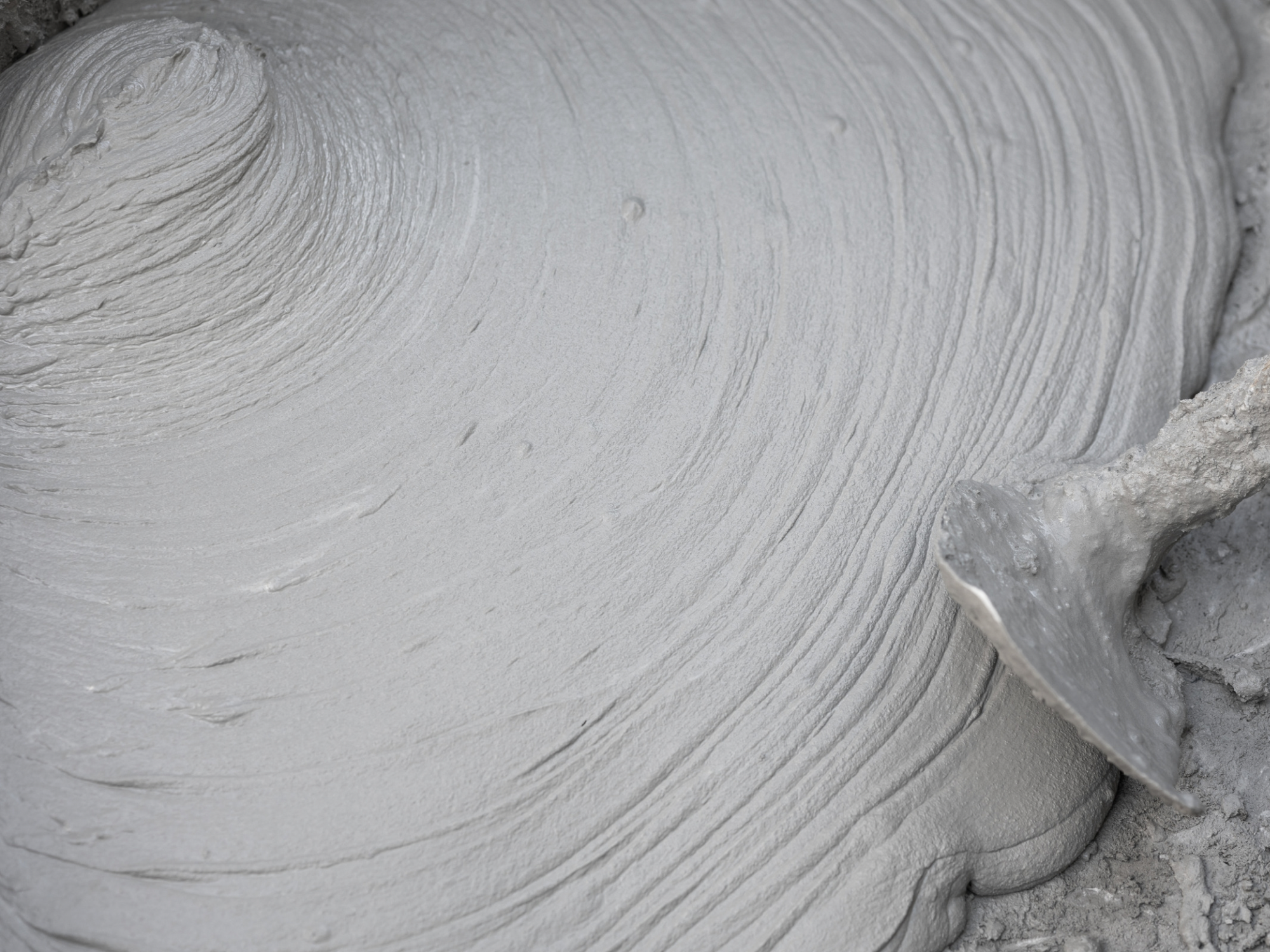

In recent research, scientists have explored the positive impact of algal biochar-zinc (biochar-Zn) and algal biochar-calcium (biochar-Ca) nanocomposite particles on the mechanical properties of portland cement paste and concrete. The study delved into the hydration kinetics and compressive strength of cement paste when these nanocomposites were introduced.
The findings revealed that the inclusion of 3 wt % biochar-Zn caused a delay in peak heat evolution during cement hydration, extending the timeframe from 8.3 to 10.0 hours. Conversely, the addition of 3 wt % biochar-Ca induced a minor acceleration in peak heat, reducing the time from 8.3 to 8.2 hours. Notably, both biochar-Zn and biochar-Ca nanocomposite particles significantly increased the compressive strength of cement paste at the 28-day mark by 22.6% and 17.0%, respectively.
The data supported the conclusion that the observed changes in reaction kinetics were exclusively linked to the presence of Zn and Ca phases. Furthermore, the enhanced strength was attributed to a nucleation effect induced by these phases and the internal curing effect of biocharBiochar is a carbon-rich material created from biomass decomposition in low-oxygen conditions. It has important applications in environmental remediation, soil improvement, agriculture, carbon sequestration, energy storage, and sustainable materials, promoting efficiency and reducing waste in various contexts while addressing climate change challenges. More. This research highlights the potential of biochar-based nanocomposites in improving the performance of cementitious materials, paving the way for more sustainable and resilient construction practices.



Leave a Reply