

The ever-increasing volume of wastewater poses a significant environmental challenge. Conventional treatment methods often rely on harsh chemicals and energy-intensive processes, raising concerns about their sustainability. BiocharBiochar is a carbon-rich material created from biomass decomposition in low-oxygen conditions. It has important applications in environmental remediation, soil improvement, agriculture, carbon sequestration, energy storage, and sustainable materials, promoting efficiency and reducing waste in various contexts while addressing climate change challenges. More, a carbon-rich material derived from biomassBiomass is a complex biological organic or non-organic solid product derived from living or recently living organism and available naturally. Various types of wastes such as animal manure, waste paper, sludge and many industrial wastes are also treated as biomass because like natural biomass these More pyrolysisPyrolysis is a thermochemical process that converts waste biomass into bio-char, bio-oil, and pyro-gas. It offers significant advantages in waste valorization, turning low-value materials into economically valuable resources. Its versatility allows for tailored products based on operational conditions, presenting itself as a cost-effective and efficient More, offers a more eco-friendly alternative for wastewater remediation.
Biochar Synthesis and Properties
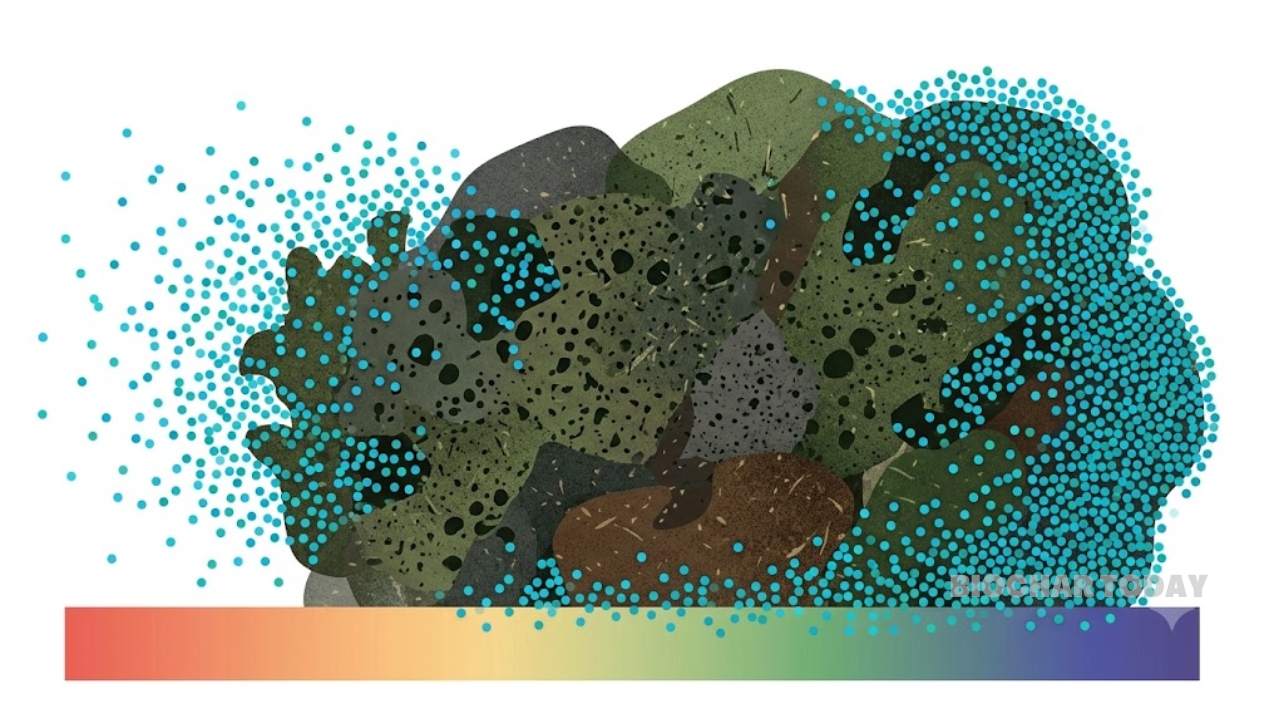
Biochar can be produced from various feedstocks, including agricultural residues, forestry waste, and even sewage sludge. The pyrolysis process conditions, such as temperature and heating rate, significantly influence the final properties of the biochar. The resulting material exhibits a porous structure with a high surface area, making it an efficient adsorbent for pollutants.
Modifications for Enhanced Performance
Chemical activation using phosphoric acid or sulfuric acid can further enhance the adsorption capacity of biochar. This process introduces oxygen-containing functional groups onto the biochar surface, increasing its affinity for various contaminants. Additionally, biochar can be combined with other materials, such as metal oxides or zeolites, to create composite adsorbents with tailored properties for specific pollutants.
Applications in Wastewater Treatment
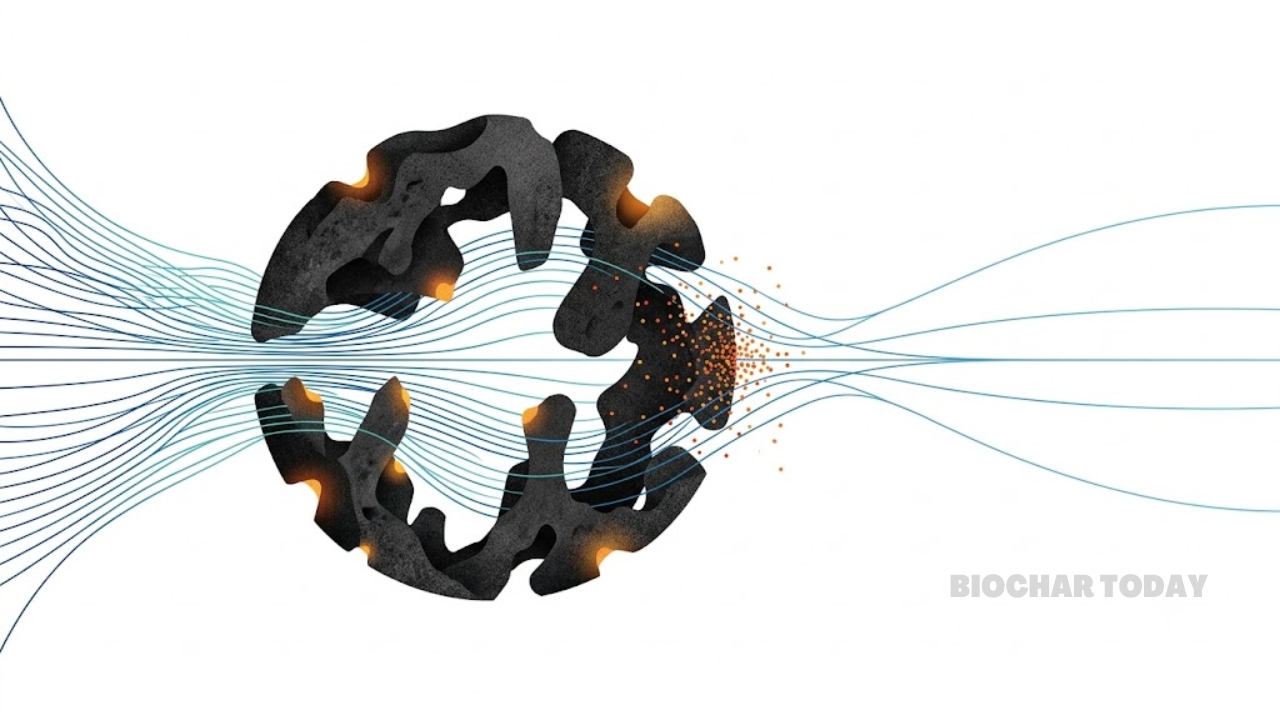
Biochar-based materials have been successfully applied to remove a wide range of pollutants from wastewater, including organic dyes, heavy metals, and emerging contaminants like pharmaceuticals. Their effectiveness depends on the type of pollutant, biochar properties, and environmental conditions.
Drawbacks and Future Perspectives
Despite its promising potential, biochar-based technology faces some challenges. The large-scale production of biochar requires sustainable feedstockFeedstock refers to the raw organic material used to produce biochar. This can include a wide range of materials, such as wood chips, agricultural residues, and animal manure. More sources and efficient pyrolysis processes. Additionally, the regeneration and disposal of spent biochar need further consideration. Future research should focus on optimizing biochar production, developing cost-effective activation methods, and exploring regeneration strategies for long-term sustainability.
Biochar-based materials offer a sustainable and effective approach for wastewater treatment. Their unique properties and tailorable characteristics hold immense promise for addressing the global water pollution crisis. By addressing the current challenges and fostering continued research, biochar technology can play a crucial role in ensuring clean water for future generations.
READ MORE
Diaz, et al (2024) Synthesis Methods, Properties, and Modifications of Biochar-Based Materials for Wastewater Treatment: A Review. Resources, Vol 13. https://doi.org/10.3390/resources13010008




Leave a Reply