
Omale, et al (2024) UPTAKE OF Co(II), Pb(II) AND Ni(II) IONS BY Annona senegalensis STEM BARK BIOCHARBiochar is a carbon-rich material created from biomass decomposition in low-oxygen conditions. It has important applications in environmental remediation, soil improvement, agriculture, carbon sequestration, energy storage, and sustainable materials, promoting efficiency and reducing waste in various contexts while addressing climate change challenges. More FROM AQUEOUS
SOLUTION: OPTIMIZATION, KINETIC AND THERMODYNAMIC STUDIES. FUDMA Journal of Sciences (FJS). https://doi.org/10.33003/fjs-2024-0802-2341
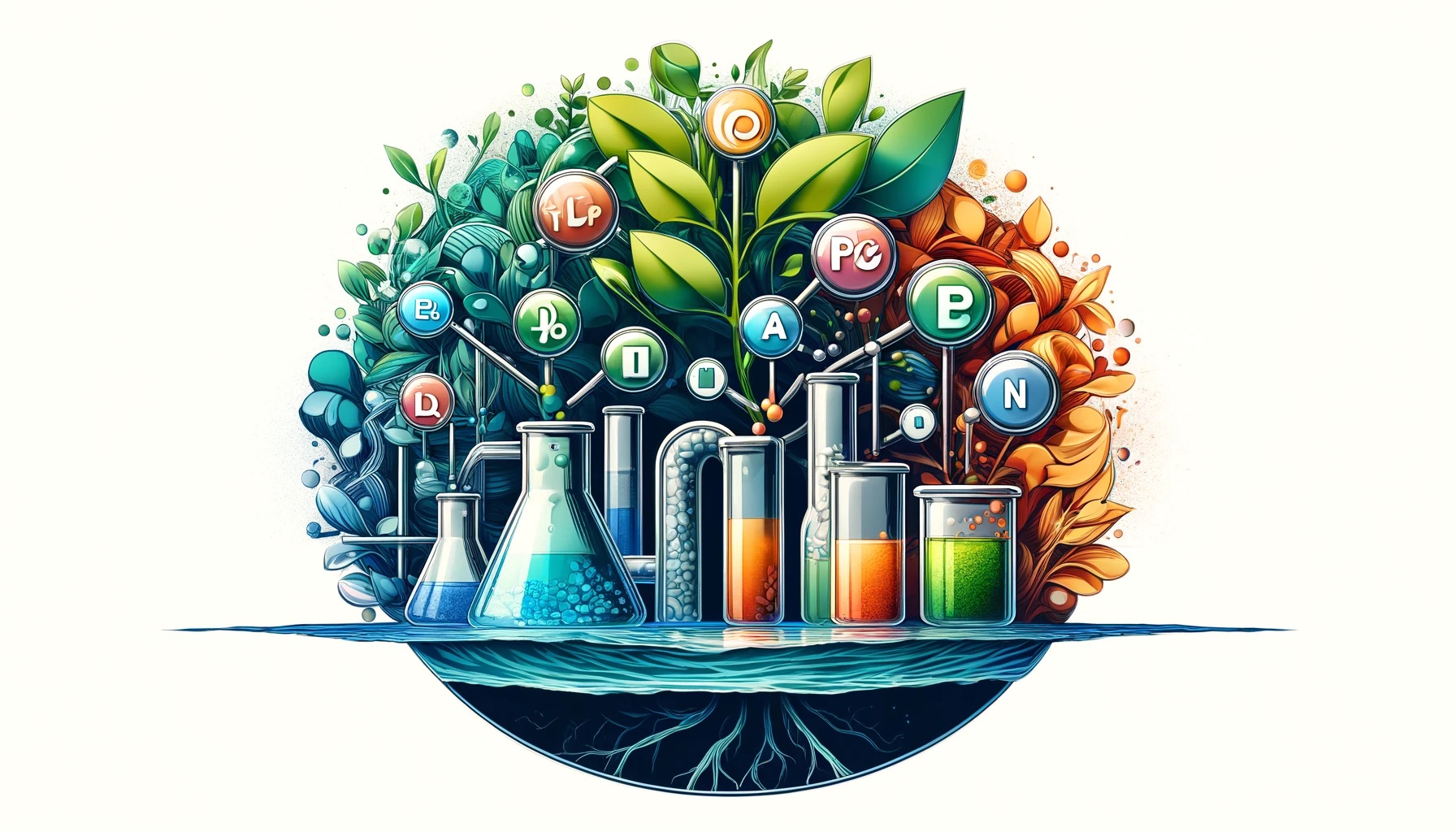
Heavy metal pollution in water bodies is a significant environmental concern due to the toxic, non-biodegradable nature of metals like cobalt (Co), lead (Pb), and nickel (Ni). Traditional methods for removing these metals from water are often costly and inefficient, particularly at low concentrations. Recent research by Omale et al. explores an eco-friendly alternative: biochar derived from Annona senegalensis stem bark.
Annona senegalensis, a flowering plant native to Africa, offers a sustainable solution for water remediation. The study focused on optimizing the conditions for using its stem bark biochar to adsorb Co, Pb, and Ni ions from aqueous solutions. The biochar was chemically activated and characterized using various techniques to determine its adsorption capacity and efficiency under different conditions.
The adsorption process was influenced by several factors, including pHpH is a measure of how acidic or alkaline a substance is. A pH of 7 is neutral, while lower pH values indicate acidity and higher values indicate alkalinity. Biochars are normally alkaline and can influence soil pH, often increasing it, which can be beneficial More, temperature, initial metal ion concentration, adsorbent dose, particle size, and carbonization temperature. The results showed that the adsorption data fit best with the Langmuir isotherm model for Co and Ni, while Pb adsorption aligned with the Freundlich model. This indicates that the biochar provides a monolayer coverage of metal ions on its surface for Co and Ni, and a heterogeneous adsorption surface for Pb.
Kinetic studies revealed that the adsorption of these metals followed a pseudo-second-order kinetic model, suggesting that the rate-limiting step involves chemisorption. Additionally, thermodynamic analysis indicated that the adsorption process is endothermic and spontaneous, with the biochar showing higher efficiency at elevated temperatures.
Overall, Annona senegalensis biochar emerged as a cost-effective, environmentally friendly adsorbent for heavy metal removal. This research highlights its potential for application in water treatment facilities, especially in regions with limited resources, offering a sustainable approach to mitigating heavy metal pollution.



Leave a Reply