
Key Takeaways
- Rice straw can be turned into a special charcoalCharcoal is a black, brittle, and porous material produced by heating wood or other organic substances in a low-oxygen environment. It is primarily used as a fuel source for cooking and heating. More called biocharBiochar is a carbon-rich material created from biomass decomposition in low-oxygen conditions. It has important applications in environmental remediation, soil improvement, agriculture, carbon sequestration, energy storage, and sustainable materials, promoting efficiency and reducing waste in various contexts while addressing climate change challenges. More to clean up industrial dyes in water.
- Scientists improved the cleaning power of this charcoal by treating it with safe chemicals like phosphoric acid.
- This treated material is extremely effective and can remove almost all of a common blue dye from contaminated water.
- Using agricultural waste like rice straw helps reduce pollution and provides a cheap way to treat wastewater.
- This technology works best when the water is slightly alkaline, making it ideal for treating textile factory waste.
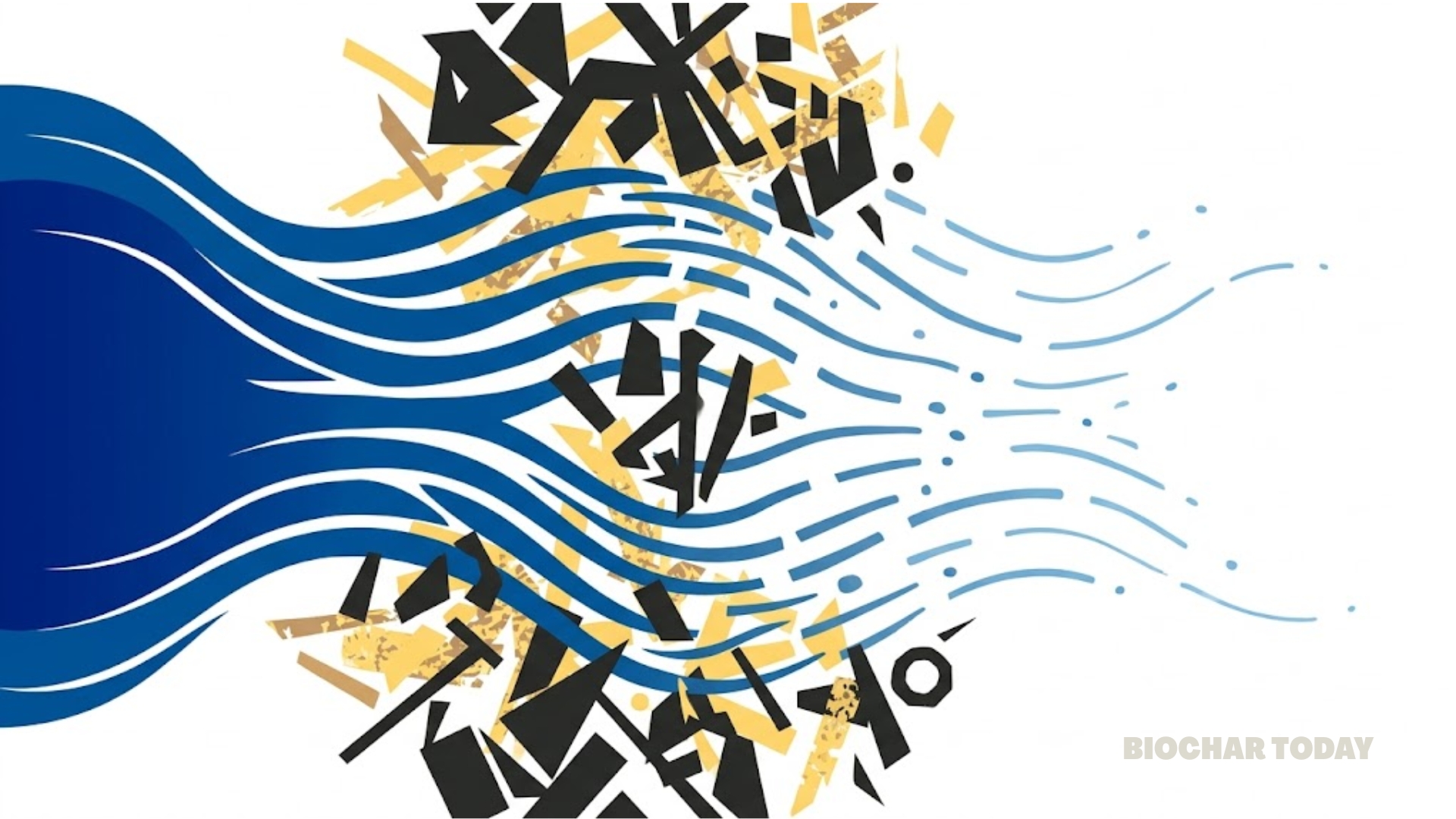
In a study published in Scientific Reports, researchers Vivian Fayez Lotfy and Altaf Halim Basta examine how common agricultural leftovers can be transformed into high-performance filters for industrial wastewater. The textile industry frequently uses synthetic dyes like methylene blue, which are difficult to break down and can harm aquatic life if discharged into rivers. While many materials can act as filters, this research focuses on using rice straw, a widely available byproduct of farming, to create a sustainable and low-cost solution. By converting this straw into biochar through a process of heating in the absence of oxygen, the researchers created a material capable of trapping dye molecules on its surface.
The core findings of the research show that while raw rice straw biochar has some cleaning ability, specific chemical treatments dramatically increase its performance. The scientists tested several modification techniques, including nitrogen doping and acid activation. They discovered that treating the biochar with phosphoric acid was the most effective method, as it created a more porous structure and added specific chemical groups to the surface that attract dye molecules. This modified biochar achieved an impressive removal rate of over 99 percent for methylene blue under optimal conditions. This high level of efficiency suggests that modified agricultural waste could eventually replace more expensive commercial water treatment chemicals.
The performance of the biochar was found to be highly dependent on the environment of the water being treated. The researchers noted that the acidity or alkalinity of the water, known as pHpH is a measure of how acidic or alkaline a substance is. A pH of 7 is neutral, while lower pH values indicate acidity and higher values indicate alkalinity. Biochars are normally alkaline and can influence soil pH, often increasing it, which can be beneficial More, plays a vital role in how well the charcoal traps the dye. When the water was more alkaline, the surface of the biochar became more negatively charged, which created a strong attraction to the positively charged molecules of the methylene blue dye. Additionally, the study found that the cleaning process happens relatively quickly, with most of the dye being removed within the first two hours of contact. This rapid action is essential for industrial settings where large volumes of water must be processed continuously.
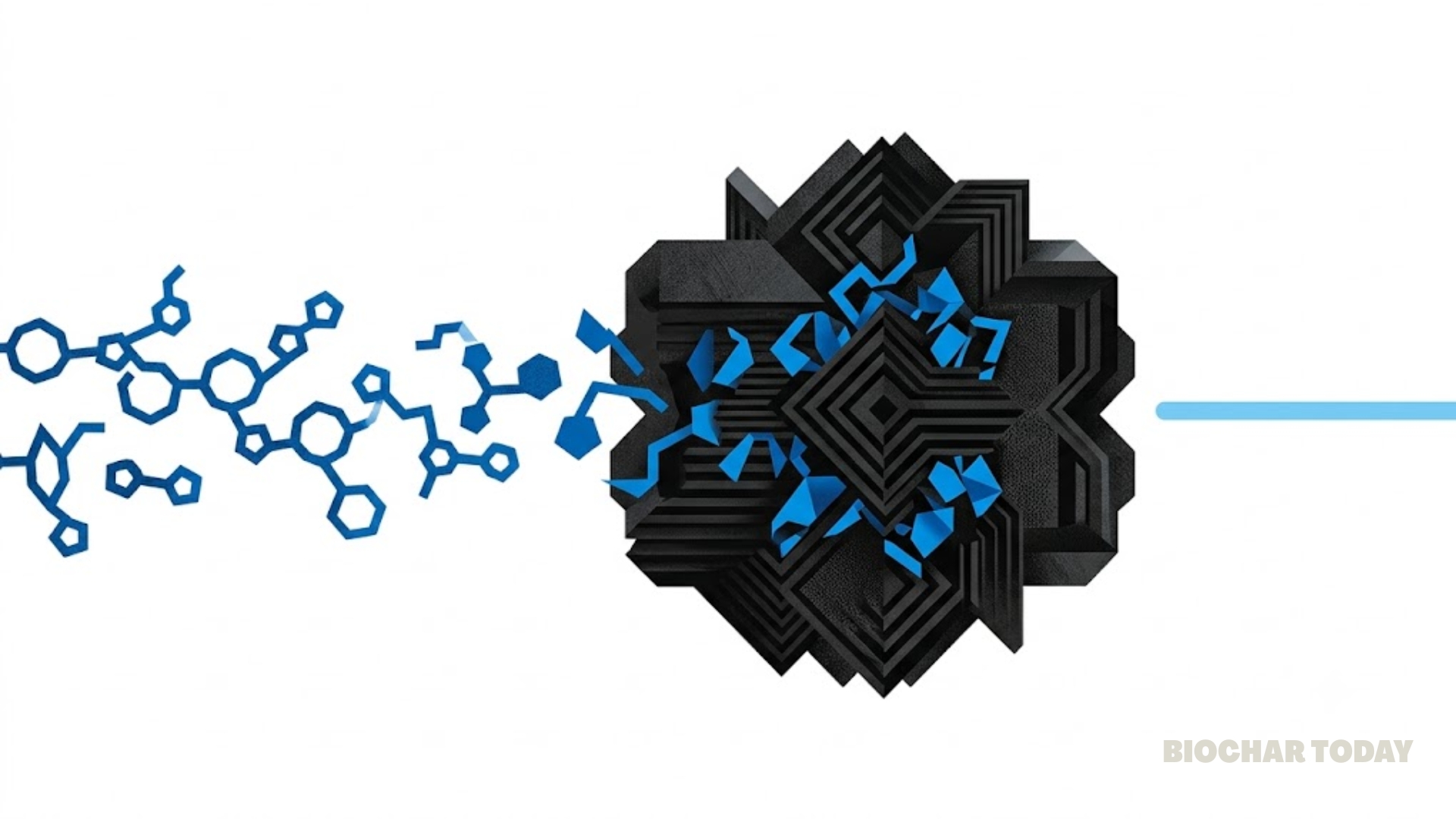
Beyond simple surface attraction, the study reveals that the internal structure of the biochar is a key factor in its success. The phosphoric acid treatment significantly increased the iodine number of the material, which is a common way scientists measure the internal surface area and pore volume of charcoal. A higher iodine number means there are more tiny spaces inside the material for dye molecules to hide and become trapped. The researchers used advanced imaging and chemical analysis to confirm that the dye was held in place through several different types of chemical bonds and physical stacking. This multi-layered approach to trapping pollutants ensures that the dye remains stuck to the biochar rather than leaking back into the clean water.
The environmental implications of this work are twofold, addressing both waste management and water purity. Rice straw is often burned in open fields after harvest, which contributes to air pollution and carbon emissions. By diverting this waste into biochar production, farmers can reduce air pollution while creating a value-added product for environmental cleanup. The study suggests that this approach is not only technically feasible but also economically attractive compared to using traditional activated carbonActivated carbon is a form of carbon that has been processed to create a vast network of tiny pores, increasing its surface area significantly. This extensive surface area makes activated carbon exceptionally effective at trapping and holding impurities, like a molecular sponge. It is commonly More. Because the raw materials are essentially free and the treatment process is straightforward, this method offers a viable path for developing nations to manage industrial pollution without the need for high-cost infrastructure.
In conclusion, the research demonstrates that carefully modified biochar from rice straw is an exceptional tool for removing persistent dyes from wastewater. The ability to achieve nearly total removal of pollutants using a material derived from farm waste represents a significant step forward in sustainable engineering. The findings provide a clear roadmap for optimizing biochar production to target specific industrial contaminants. Future applications could see this technology scaled up for use in large-scale textile treatment plants, providing a green and efficient way to protect water resources from synthetic chemical contamination.
Source: Lotfy, V. F., & Basta, A. H. (2026). Sustainable heteroatom doped biochar for methylene blue adsorption with structure function insights. Scientific Reports, 16(13153).



Leave a Reply