
Key Takeaways
- Research into extremely small biocharBiochar is a carbon-rich material created from biomass decomposition in low-oxygen conditions. It has important applications in environmental remediation, soil improvement, agriculture, carbon sequestration, energy storage, and sustainable materials, promoting efficiency and reducing waste in various contexts while addressing climate change challenges. More particles is growing very fast as scientists look for better ways to clean water and soil.
- These tiny materials are especially good at removing harmful pollutants like heavy metals and chemicals from the environment.
- China and India are the leading countries currently driving the most scientific progress in this specialized field.
- Using these materials helps make farming more sustainable by improving how soil holds onto water and nutrients.
- Scientists are finding that these tiny particles work much better than regular-sized ones because they have more surface area to catch pollutants.
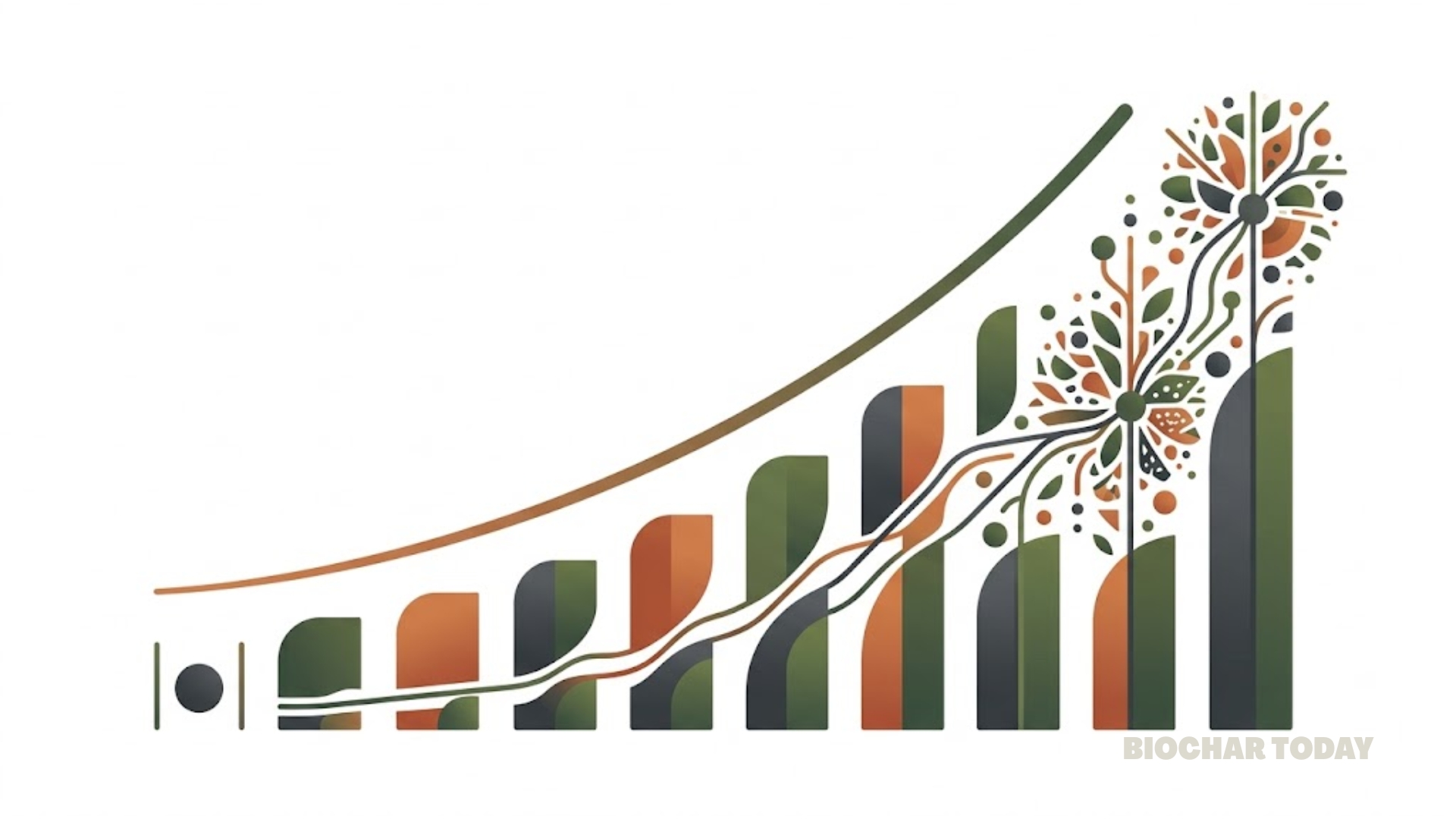
The journal Next Materials recently published a bibliometric analysis by Kingsley O. Iwuozor, Hussein Kehinde Okoro, and Adewale George Adeniyi that tracks the evolution of nano-biochar research over the past ten years. This study highlights a dramatic shift in the scientific community’s interest toward materials at the nanometer scale. While traditional biochar has long been used for soil health, the engineered version known as nano-biochar offers far superior performance due to its unique physical and chemical properties. The researchers found that the volume of scientific literature has expanded rapidly, signaling that this material is moving from a niche curiosity to a primary focus for environmental scientists and chemical engineers worldwide. This growth is driven by a global need for more efficient ways to manage waste and protect natural resources.
The findings reveal that the primary advantage of these tiny particles lies in their massive surface area relative to their size. Because they are so small, they provide significantly more space for chemical reactions to occur, making them highly effective at trapping contaminants. The study indicates that the most common application for these materials is in water treatment, where they are used to adsorb heavy metals and organic pollutants that traditional filters might miss. Beyond water, the research shows that nano-biochar is becoming a vital tool for soil restoration. It helps sequester carbon more effectively than larger particles and can even help deliver nutrients to plants in a controlled manner. This dual benefit of cleaning up pollution while enhancing food security explains why so many international researchers are now prioritizing this field.
Geographically, the study found that a few key countries are responsible for the majority of these scientific breakthroughs. China leads the world in both the number of published papers and the total number of citations, followed closely by India and several other developing nations. This trend suggests that regions facing significant environmental challenges and large agricultural sectors are the most active in finding high-tech, sustainable solutions. The collaboration between different universities and international organizations has also increased, showing that the quest for cleaner water and healthier soil is a global effort. Interestingly, the research shows that the most influential papers often focus on how to modify the surface of the biochar to make it even stickier for specific pollutants, which is a major area of ongoing innovation.
The analysis also points toward a bright future for this material as it integrates with other emerging technologies. Scientists are now exploring how nano-biochar can be used in energy storage and as a support for new types of catalysts. The study demonstrates that as the manufacturing methods for these tiny particles become more refined and affordable, their use will likely expand into even more industries. The rise in citations—which jumped from zero a decade ago to nearly three thousand annually—proves that the scientific community is building a solid foundation of knowledge. This momentum suggests that nano-biochar will play a critical role in the transition toward a circular economy, where agricultural waste is not just discarded but transformed into a high-value tool for environmental protection.
In summary, the transition of nano-biochar from an experimental concept to a major research pillar is now well-documented. The rapid increase in publication frequency and global interest confirms that the world is looking for smarter, smaller materials to solve large-scale ecological problems. As researchers continue to refine these materials, the potential for nano-biochar to provide clean water, restore degraded lands, and help combat climate change continues to grow. This decade of progress has established nano-biochar as a cornerstone of modern material science, offering a sustainable path forward for managing the earth’s resources. The evidence suggests that the next ten years will likely see these laboratory findings move into widespread practical use, benefiting both the environment and society at large.
Source: Iwuozor, K. O., Okoro, H. K., & Adeniyi, A. G. (2026). Nano-biochar research: A scopus-based bibliometric analysis of the 2016-2025 period. Next Materials, 12, 102051.




Leave a Reply