
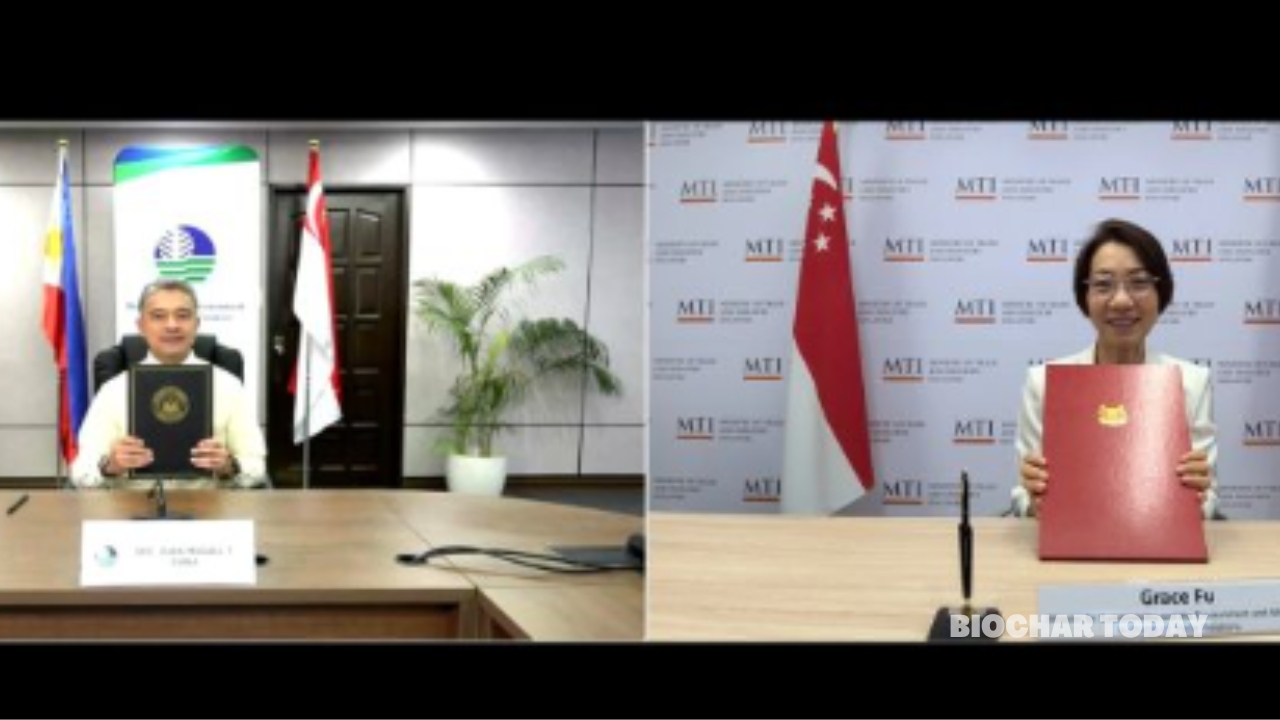
The governments of Singapore and the Philippines have executed a legally binding bilateral agreement to establish a structured, cross-border carbon trading network. Signed in Manila during ASEAN Climate Week, the pact operates under Article 6.2 of the Paris Agreement, which governs Internationally Transferred Mitigation Outcomes (ITMOs). The accord serves as the first bilateral carbon market agreement for the Philippines and the eleventh for Singapore, marking a significant expansion of the climate-finance infrastructure within Southeast Asia. Under the agreed terms, Singapore-based corporations are authorized to purchase high-quality carbon credits generated from approved projects in the Philippines to offset up to five percent of their domestic taxable emissions.
The major challenge addressed by this agreement is the historic lack of regulatory alignment, transparent accounting structures, and financial incentives necessary to scale carbon mitigation projects across the ASEAN region. Without standardized methodologies and legally binding frameworks, private capital frequently bypasses cross-border initiatives due to tracking difficulties and double-counting risks. Furthermore, host nations often struggle to balance localized climate adaptation demands with global emissions reduction targets. This systemic regulatory gap has historically limited the financial viability and deployment of long-term carbon dioxide removal and avoidance strategies in developing agricultural and industrial sectors.
To resolve these market barriers, Singapore’s Ministry for Sustainability and the Environment and the Philippine Department of Environment and Natural Resources established a comprehensive governance framework with built-in accountability safeguards. The solution introduces a dedicated joint committee tasked with overseeing approved tracking methodologies and transparency standards that comply directly with Paris Agreement mandates. To ensure integrity and mutual benefit, the framework enforces a mandatory levy where five percent of authorized credit proceeds are channeled directly into localized Philippine climate adaptation projects. Additionally, two percent of all issued credits will be systematically canceled to secure a net reduction in global atmospheric emissions.
The outcomes of this bilateral framework establish clear financial pathways for industrial decarbonization, directly benefiting sustainable waste management, nature-based initiatives, methane reduction, and climate-smart agriculture. By enabling Singaporean firms to mitigate five percent of their taxable liabilities through Filipino projects, the deal guarantees a consistent influx of international climate finance into the Philippine green economy. This structured cooperation enhances regional market credibility, provides local communities with new economic opportunities, and creates a scalable model for subsequent Article 6.2 agreements throughout the ASEAN network.




Leave a Reply