
Key Takeaways
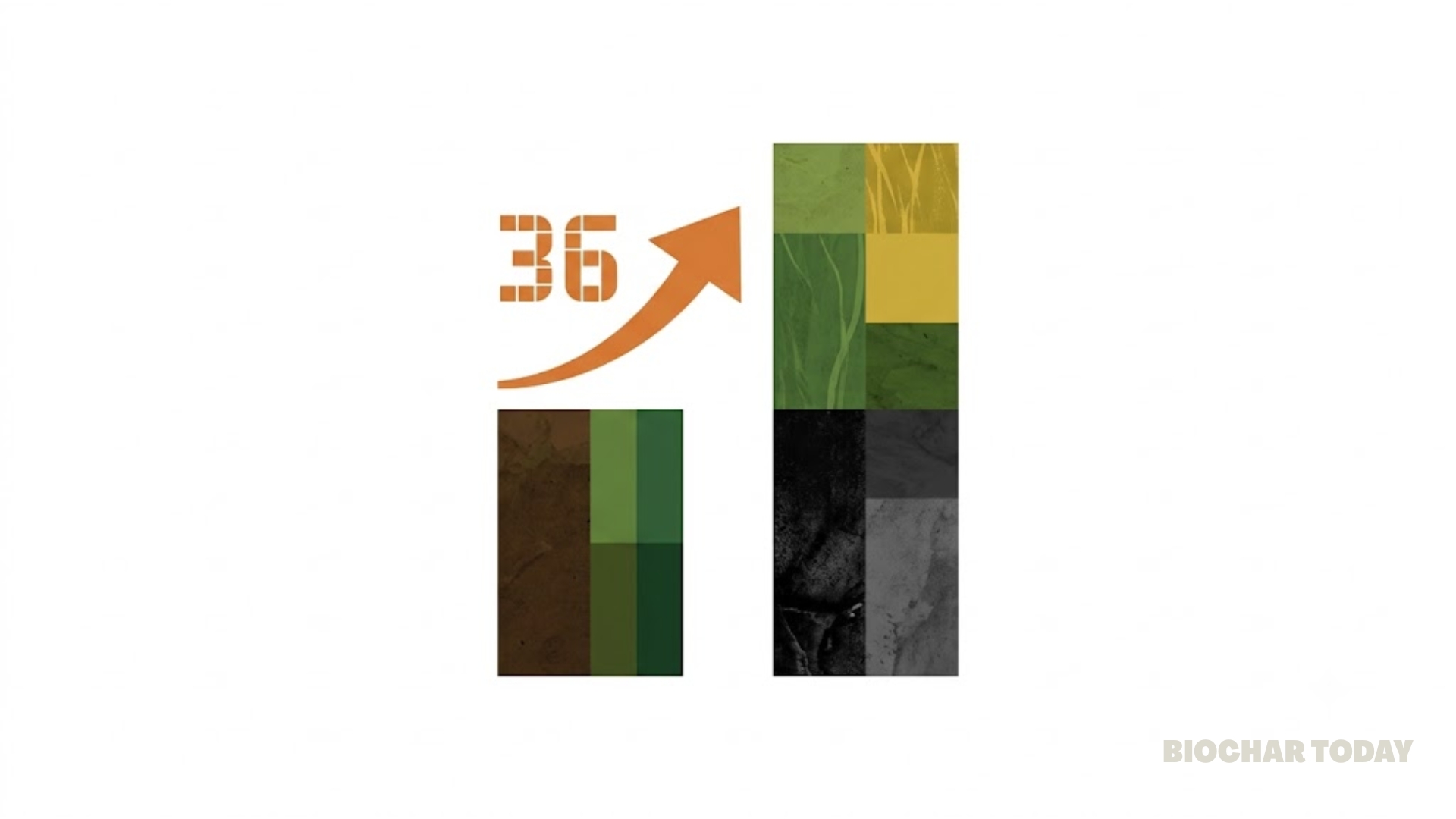
- Combining conservation agriculture with biocharBiochar is a carbon-rich material created from biomass decomposition in low-oxygen conditions. It has important applications in environmental remediation, soil improvement, agriculture, carbon sequestration, energy storage, and sustainable materials, promoting efficiency and reducing waste in various contexts while addressing climate change challenges. More increased smallholder labor demand by 36% (65 extra person-days per hectare).
- Unpaid family labor rose by 54% to absorb the additional workload without increasing hired labor.
- Overall labor returns dropped by 45% ($1.74 per person-day) due to a lack of short-term productivity gains.
- Labor spikes were driven by biochar production, land expansion, and crop diversification.
- Widespread adoption requires long-term technical guidance and labor-saving technologies to ease initial burdens.
Combining conservation agriculture with biochar increases smallholder labor demand by 36%. A study in Agricultural and Food Economics by Clifton Makate and colleagues analyzed a randomized controlled trial of 400 smallholder households in Uganda. The researchers tested structured training in conservation agriculture alone and combined with biochar amendments. Minimum tillage reduced initial land preparation labor by 3%. However, total seasonal labor demand grew by 65 person-days per hectare. Households met this workload internally, raising unpaid family labor by 54% while reducing hired labor. Total labor costs rose by 581,300 Ugandan shillings per hectare.
The extra work did not produce short-term productivity gains. Crop yields were insufficient to offset the added hours. Overall labor returns fell by 45%, representing a drop of $1.74 per person-day compared to conventional methods. Land productivity metrics showed no significant difference between control and intervention groups. Higher labor demands stemmed from broader operational shifts. Trained farmers expanded their cultivated area, diversified crops, expanded minimum tillage acreage, and handled biochar production and application. Without ongoing operational guidance after the initial training cycle, farmers struggled with the transition. Climate-smart practices place heavy upfront demands on smallholder family labor. Long-term adoption requires pairing these practices with labor-saving tools, accessible inputs, and continuous technical support.
Source: Makate, C., Cornelissen, G., Mulder, J., Martinsen, V., Ogenrwoth, B., Bonabana-Wabbi, J., Obia, A., Kaweesi, G., & Handberg, Ø. N. (2026). Impact of conservation agriculture and biochar interventions on labour demand and productivity in Uganda: evidence from a field experiment. Agricultural and Food Economics, 14(68), 1-24.





Leave a Reply