

Key Takeaways
- BiocharBiochar is a carbon-rich material created from biomass decomposition in low-oxygen conditions. It has important applications in environmental remediation, soil improvement, agriculture, carbon sequestration, energy storage, and sustainable materials, promoting efficiency and reducing waste in various contexts while addressing climate change challenges. More made from crop waste improves animal growth rates, boosting livestock weight gains by up to 20 percent when added at low concentrations.
- Its highly porous structure effectively binds and removes harmful feed toxins, including up to 95 percent of targeted mold poisons.
- The supplement supports better digestion by lengthening intestinal structures and encouraging beneficial gut bacteria while suppressing harmful pathogens.
- Biochar reduces harmful farm emissions by trapping intestinal gas and cutting down moisture and odors in livestock housing.
- Utilizing crop waste as animal feed additives creates a sustainable solution for agricultural residue management while improving meat and milk production.
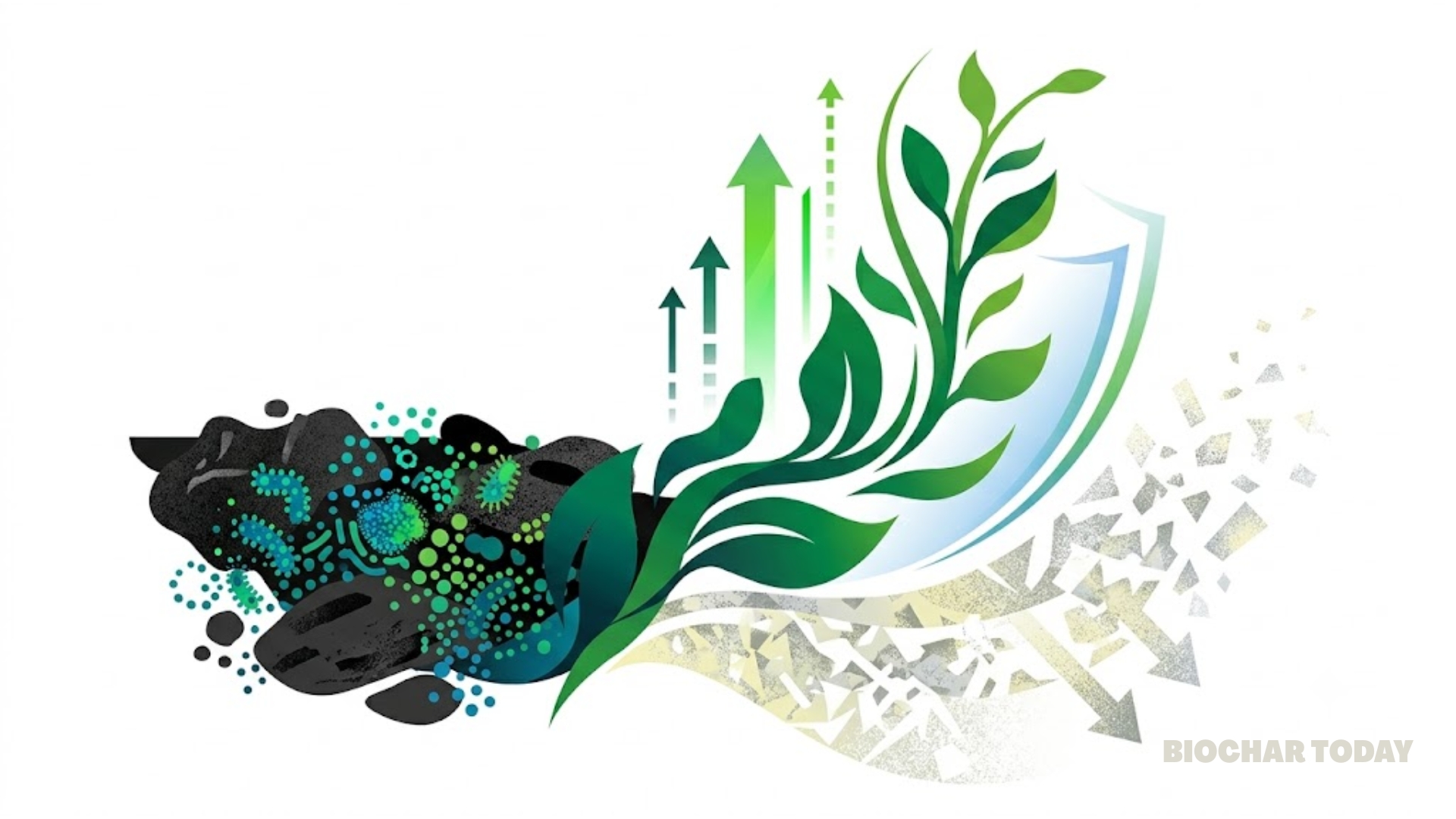
Agricultural waste biochar is emerging as a promising natural feed additive that can significantly enhance animal health, nutrient digestion, and overall farm productivity. Derived through the thermal processing of biomassBiomass is a complex biological organic or non-organic solid product derived from living or recently living organism and available naturally. Various types of wastes such as animal manure, waste paper, sludge and many industrial wastes are also treated as biomass because like natural biomass these More like crop stalks, husks, and cobs in low-oxygen environments, this carbon-rich material provides a sustainable alternative to conventional antibiotic growth promoters and synthetic additives. When incorporated into daily rations at small inclusion levels, typically between 0.5 to 3 percent of total feed, biochar acts as a versatile tool that supports systemic animal wellness and improves feed conversion efficiency across various species, including cattle, poultry, goats, and swine.
One of the primary benefits of agricultural waste biochar stems from its unique physical architecture. The high surface area and porous structure give it exceptional adsorption capabilities, allowing it to act as an internal sponge within the animal digestive tract. It selectively binds to a wide array of harmful compounds, including heavy metals, pesticides, and dangerous mycotoxins such as aflatoxin B1, neutralizing them before they can be absorbed into the bloodstream. Studies demonstrate that biochar can neutralize more than 90 percent of specific feed toxins, effectively protecting liver and kidney function, maintaining blood biochemical stability, and preventing production losses caused by contaminated feedstuffs.
Beyond toxin neutralization, biochar plays a active role in optimizing gut microanatomy and microbial balance. Dietary inclusion of biochar promotes positive cellular changes along the intestinal lining, such as lengthening villi structures and expanding the surface area available for nutrient absorption. This structural improvement leads to higher crude protein and dry matter digestibility, translated into better nitrogen retention and enhanced milk fat and protein content in livestock. Concurrently, biochar helps maintain a stable digestive pHpH is a measure of how acidic or alkaline a substance is. A pH of 7 is neutral, while lower pH values indicate acidity and higher values indicate alkalinity. Biochars are normally alkaline and can influence soil pH, often increasing it, which can be beneficial More that favors beneficial microbes like Lactobacillus species while suppressing disease-causing bacteria, including Salmonella and Campylobacter, thereby lowering animal mortality and bolstering natural immune responses.
The broader environmental and operational advantages of feeding biochar extend beyond animal physiology. By altering rumen fermentation dynamics in cattle and goats, biochar supplementation suppresses enteric methane production and reduces harmful gas emissions. Additionally, biochar passed through animal manure or applied directly to bedding lowers litter moisture levels, controls ammonia volatilization, and minimizes farm odor. This dual action improves housing air quality for livestock while enhancing the ultimate fertilizer value of agricultural manure, establishing a closed-loop system that transforms crop residues into economic value.
Source: Kumar, R., Kolhe, S. L., Panda, N., Swain, D. P., Venkateswarlu, S., Pathak, P., & Swain, P. S. (2026). Agricultural waste biochar as a novel feed additive for livestock and poultry: A review. Indian Journal of Animal Nutrition, 43(2), 1-12.



Leave a Reply