
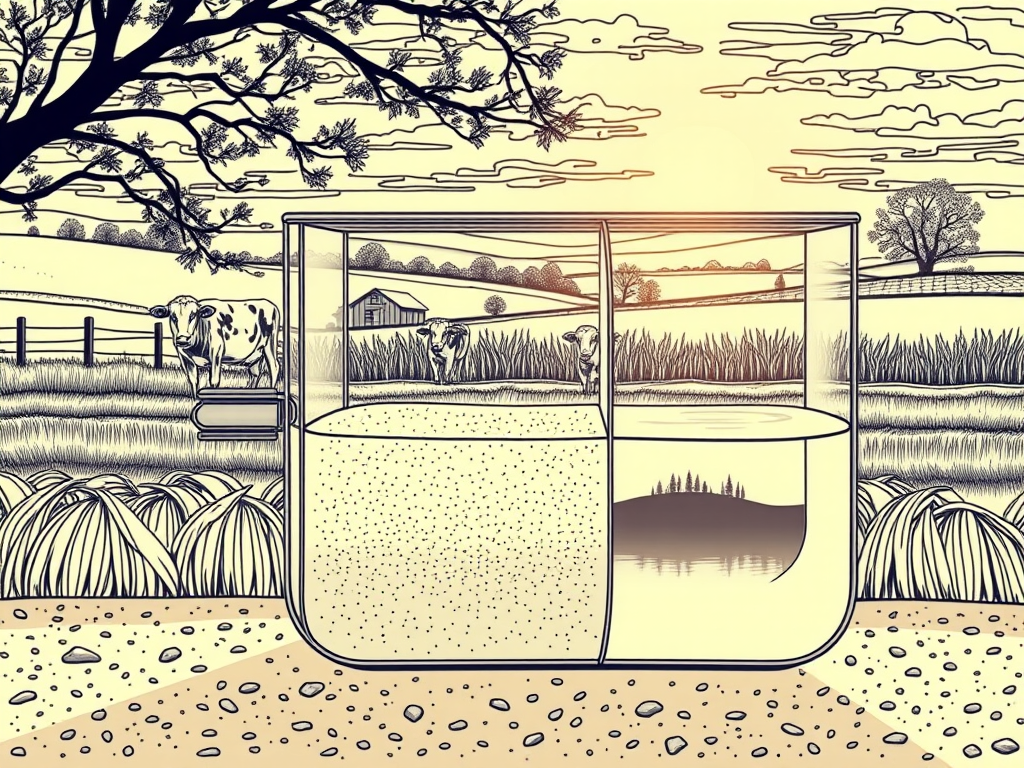
Dairy processing sludge contains various harmful pollutants, including antimicrobial agents, hormones, pesticides, disinfectants, and microplastics, posing significant environmental threats. However, through pyrolysisPyrolysis is a thermochemical process that converts waste biomass into bio-char, bio-oil, and pyro-gas. It offers significant advantages in waste valorization, turning low-value materials into economically valuable resources. Its versatility allows for tailored products based on operational conditions, presenting itself as a cost-effective and efficient More, DPS can be transformed into biocharBiochar is a carbon-rich material created from biomass decomposition in low-oxygen conditions. It has important applications in environmental remediation, soil improvement, agriculture, carbon sequestration, energy storage, and sustainable materials, promoting efficiency and reducing waste in various contexts while addressing climate change challenges. More, offering a sustainable solution for wastewater treatment. The study introduces an innovative biochar production technique called BioCharan, utilizing a modified oil tin container for small-scale, on-site processing at temperatures between 250°C and 350°C.
The resulting biochar from DPS showed favorable chemical properties, with 40.067% carbon, 5.354% hydrogen, and 2.743% nitrogen content. The biochar’s high porosityPorosity of biochar is a key factor in its effectiveness as a soil amendment and its ability to retain water and nutrients. Biochar’s porosity is influenced by feedstock type and pyrolysis temperature, and it plays a crucial role in microbial activity and overall soil health. Biochar More and surface area make it effective for adsorbing contaminants in wastewater. A filtration system combining this biochar with river sand demonstrated exceptional performance in removing pollutants.
The filtration system achieved significant reductions in several key pollutants: 83.71% in total suspended solids (TSS), 66.82% in oil and grease, 42.86% in chemical oxygen demand (COD), and 31.55% in biochemical oxygen demand (BOD). Additionally, the system also reduced levels of sulphate, phosphate, nitrate, total Kjeldahl nitrogen (TKN), total dissolved solids (TDS), and fluoride. The pHpH is a measure of how acidic or alkaline a substance is. A pH of 7 is neutral, while lower pH values indicate acidity and higher values indicate alkalinity. Biochars are normally alkaline and can influence soil pH, often increasing it, which can be beneficial More of the treated water increased from 6.30 to 6.74, indicating the biochar’s ability to neutralize acidic conditions.
This study presents a promising, eco-friendly method for treating dairy wastewater while also providing a sustainable disposal method for dairy processing sludge.
SOURCE: Ali, M.A., Singh, H., & Choudhary, M.P. (2025). Innovative utilization of dairy processing sludge for biochar production and wastewater treatment. EQA – International Journal of Environmental Quality, 69, 52-61



Leave a Reply