
Key Takeaways
- Converting leftover crop branches and leaves into biocharBiochar is a carbon-rich material created from biomass decomposition in low-oxygen conditions. It has important applications in environmental remediation, soil improvement, agriculture, carbon sequestration, energy storage, and sustainable materials, promoting efficiency and reducing waste in various contexts while addressing climate change challenges. More reduces harmful air pollution and greenhouse gas emissions by more than half compared to burning them in open fields.
- This method turns agricultural waste into a clean energy source that can generate significant electricity for local power grids.
- Apple tree prunings offer the highest potential for energy recovery among common fruit and vegetable residues.
- Implementing this technology could earn billions in carbon credits while preventing dangerous spring wildfires caused by uncontrolled field fires.
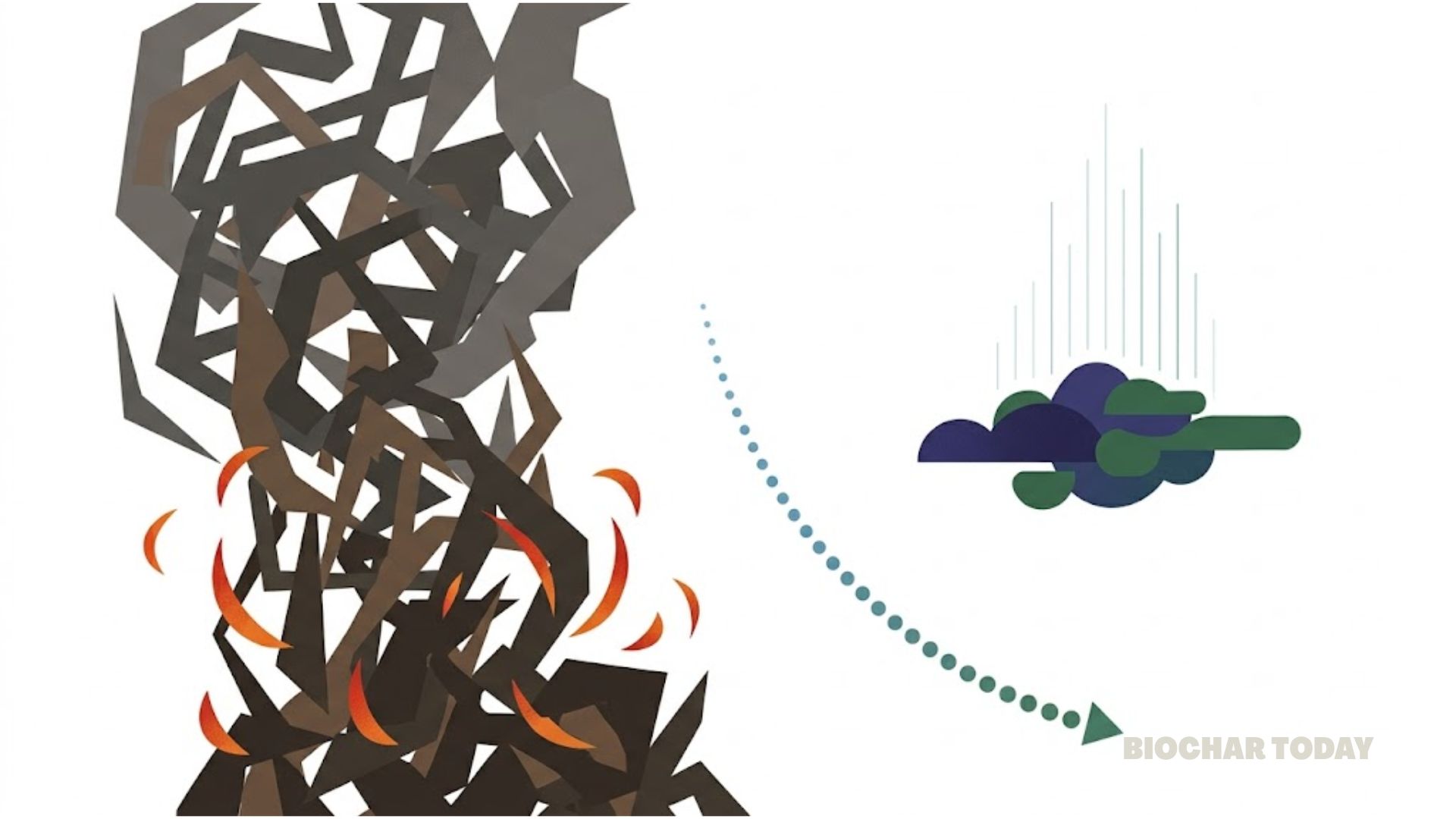
The challenge of managing agricultural waste has long plagued rural communities in Korea, where burning residues like perilla stalks and fruit tree prunings in open fields is a common but hazardous practice. This traditional method releases a cocktail of pollutants directly into the atmosphere without any filtration, contributing to poor air quality and increasing the risk of devastating spring wildfires. A new study published in the journal PLOS One by lead author Sunyong Park and a team of researchers explores a more sustainable path forward by converting these residues into biochar. By using a process called slow pyrolysisPyrolysis is a thermochemical process that converts waste biomass into bio-char, bio-oil, and pyro-gas. It offers significant advantages in waste valorization, turning low-value materials into economically valuable resources. Its versatility allows for tailored products based on operational conditions, presenting itself as a cost-effective and efficient More, the researchers demonstrated that it is possible to lock carbon into a stable solid form rather than letting it escape into the sky as smoke and heat.
The findings reveal a dramatic shift in environmental impact when moving from traditional burning to biochar conversion. While the actual combustion of biochar releases higher amounts of certain pollutants per pound because the material is more concentrated, the overall system efficiency tells a different story. Because biochar is a far more energy-dense fuel than raw agricultural waste, much less of it is needed to produce the same amount of heat or electricity. This efficiency leads to a significant net reduction in annual emissions across the board. Specifically, the researchers found that carbon monoxide and methane emissions dropped by more than 40 percent, while nitrogen-related pollutants and dust particles saw even steeper declines, with some reductions reaching nearly 93 percent.
Beyond cleaning the air, this approach turns a waste problem into a renewable energy solution. The study analyzed five major types of agricultural residues and found that they all possess a high energy return on investment, well above the threshold required for commercial viability. Apple prunings emerged as the most promising feedstockFeedstock refers to the raw organic material used to produce biochar. This can include a wide range of materials, such as wood chips, agricultural residues, and animal manure. More, capable of producing enough energy to generate over 36 gigawatt-hours of electricity per year if used in existing power plants. This is particularly significant because biochar has properties similar to low-rank coal, meaning it can be integrated into current thermal power stations without the need for expensive equipment upgrades. This makes the transition from fossil fuels to biomass-derived fuels both technically feasible and economically attractive.
The climate benefits of this transition are equally impressive when viewed through the lens of global warming potential. The study calculated that the biochar pathway could reduce the annual climate impact of agricultural waste by approximately 192,967 tons of carbon dioxide equivalent. This represents a 57.3 percent decrease compared to the current practice of burning waste in the fields. In financial terms, this massive reduction in greenhouse gases could translate to roughly 4.44 billion Korean Won in carbon-credit revenue based on recent market values. By creating a system where farmers are incentivized to collect and process waste rather than burn it, the researchers suggest that Korea can make meaningful progress toward its national carbon neutrality goals.
Ultimately, the research paints a picture of a circular economy where agricultural byproducts are no longer a source of pollution and fire risk, but a valuable commodity for a greener grid. The study emphasizes that these results are likely conservative, as they did not even account for the extra energy that could be captured from the oils and gases produced as byproducts during the biochar creation process. As rural areas seek ways to balance agricultural productivity with environmental protection, the conversion of residues into biochar offers a proven, energetic, and profitable strategy. This transition not only protects public health by clearing the air of smoke and dust but also provides a reliable stream of domestic renewable energy.
Source: Park, S., Oh, K. C., Kim, S. J., Paudel, P. P., Kim, S. Y., Kang, K. S., Ryu, S., & Kim, D. (2026). Comparative emission and energy performance of biochar production versus in-situ burning of Gorean agrobyproducts. PLOS One, 21(4), e0346041.



Leave a Reply