• LinkedIn
  • X
  • Facebook
  • Instagram
  • Reddit
  • Spotify
  • RSS Feed
  • News
  • Blog
    • Ask Annie
    • Spill the Char
    • Expert Profiles
  • Videos
  • Use Cases
    • Agriculture
    • Horticulture
    • Livestock
    • Landscaping
    • Building Materials
    • Concrete / Asphalt
    • Reforestation
    • Soil Remediation
    • Water Treatment
    • Carbon Sequestration
  • The Biochar Show
  • Store
  • About
    • Partner Directory
    • Editorial Guidelines
    • Contact

Environmental Remediation

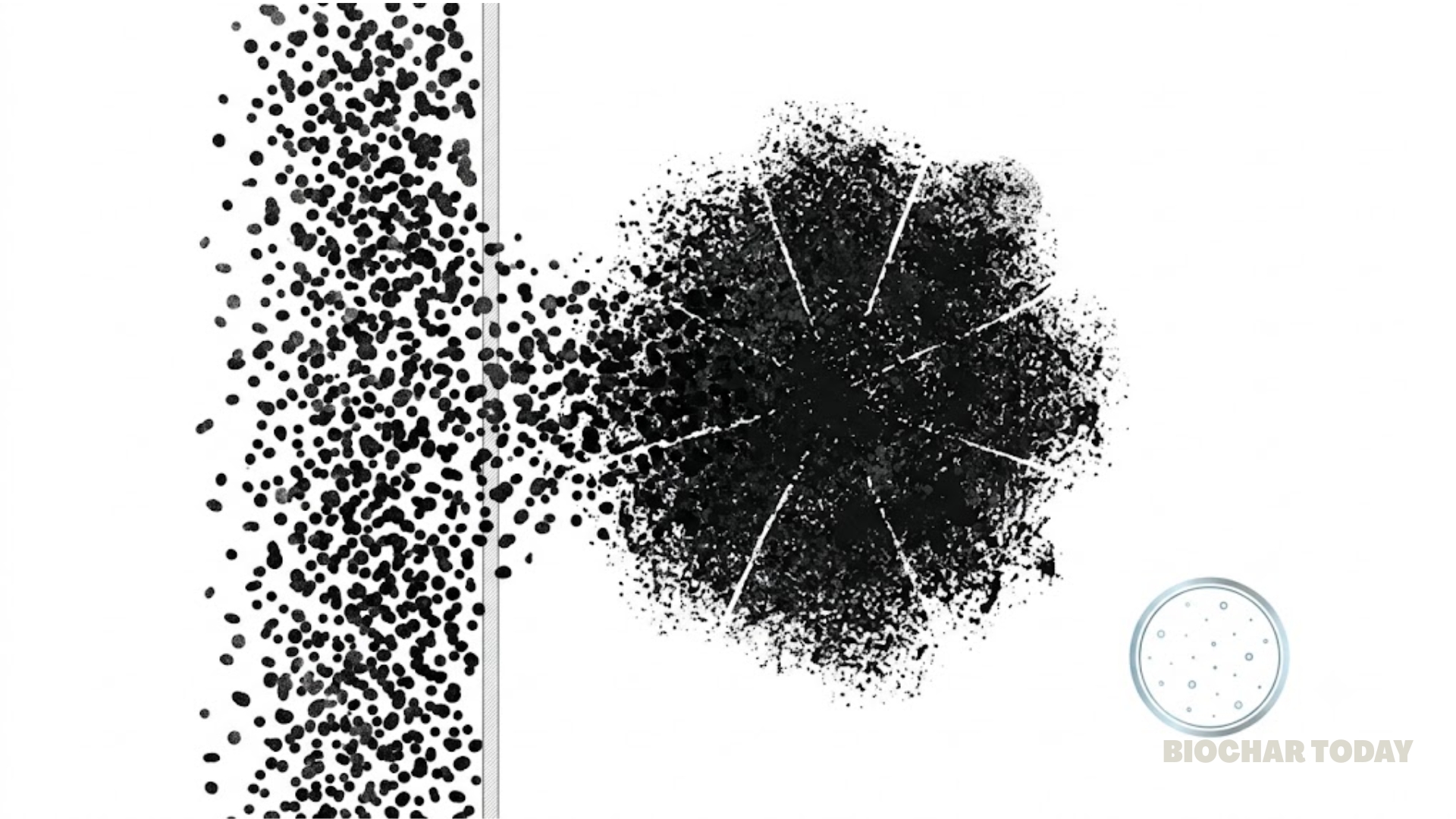
  • Recycled Plastic Polymer and Biochar Synergy Reduces Soil Shrinkage by Over Fifty Percent for Safer Landfill Liners

    Recycled Plastic Polymer and Biochar Synergy Reduces Soil Shrinkage by Over Fifty Percent for Safer Landfill Liners

  • Co-Pyrolysis of Corn Stalk and Rice Husk at 400°C Yields Stable Biochar with 64.87% Organic Matter

    Co-Pyrolysis of Corn Stalk and Rice Husk at 400°C Yields Stable Biochar with 64.87% Organic Matter

  • Banana Peel Biochar and Termite Nest Microbes Effectively Improve pH and Clarity in Polluted Urban River Water

    Banana Peel Biochar and Termite Nest Microbes Effectively Improve pH and Clarity in Polluted Urban River Water

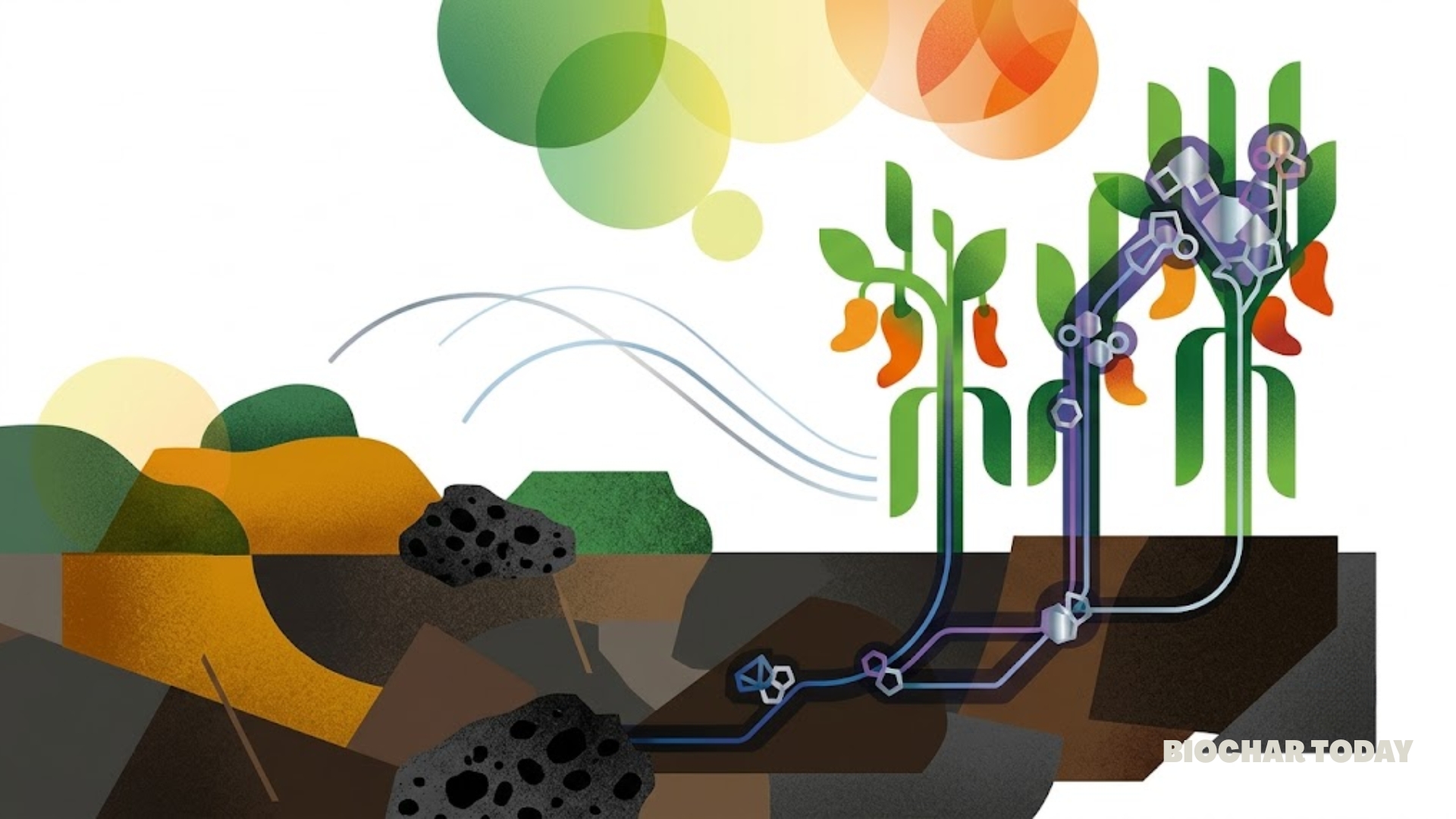
  • Biochar Networks Reveal Consistent Soil Nitrogen and pH Scaffolds for Greenhouse Gas Mitigation

    Biochar Networks Reveal Consistent Soil Nitrogen and pH Scaffolds for Greenhouse Gas Mitigation

  • Modified Biochar and Iron Nanocomposites Remove Ninety Percent of Soil Herbicides and Reduce Crop Contamination by Over Eighty Percent

    Modified Biochar and Iron Nanocomposites Remove Ninety Percent of Soil Herbicides and Reduce Crop Contamination by Over Eighty Percent

  • Targeted Fungal and Biochar Combinations Boost Red Mud Remediation and Reduce Toxic Metal Risks by Matching Specific Fungal Strains to Metal Valencies

    Targeted Fungal and Biochar Combinations Boost Red Mud Remediation and Reduce Toxic Metal Risks by Matching Specific Fungal Strains to Metal Valencies

  • High-Dosage Biochar Application Reduces Soil Heavy Metal Bioavailability by up to 91 Percent Over Fourteen Years

    High-Dosage Biochar Application Reduces Soil Heavy Metal Bioavailability by up to 91 Percent Over Fourteen Years

  • Biochar Research in Southeast Asia Achieves 17.2% Annual Growth Rate in Soil Remediation Studies

    Biochar Research in Southeast Asia Achieves 17.2% Annual Growth Rate in Soil Remediation Studies

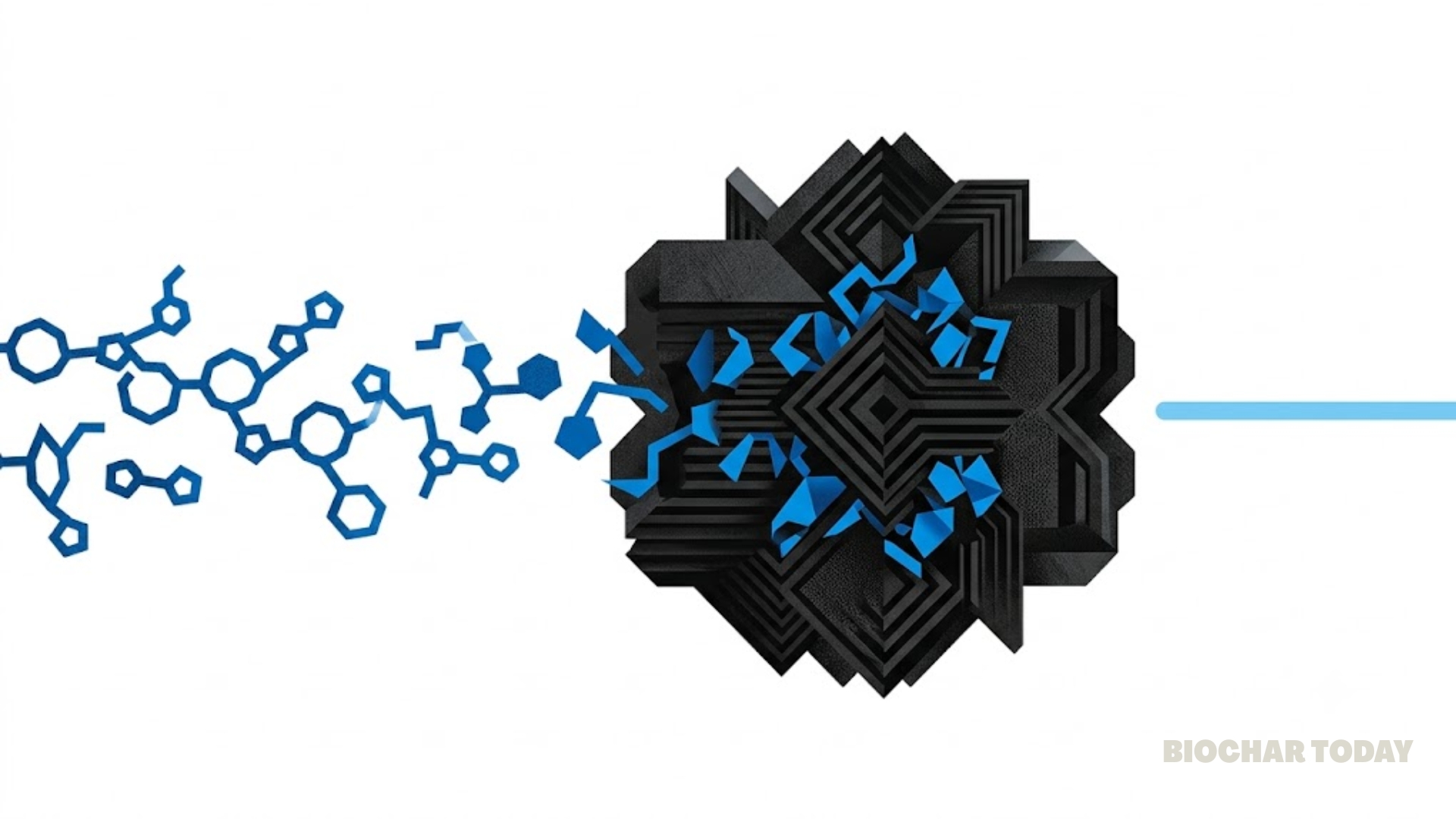
  • Modified Biochar Achieves Up to 1723 Milligrams Per Gram Adsorption Capacity for Microplastic Removal

    Modified Biochar Achieves Up to 1723 Milligrams Per Gram Adsorption Capacity for Microplastic Removal

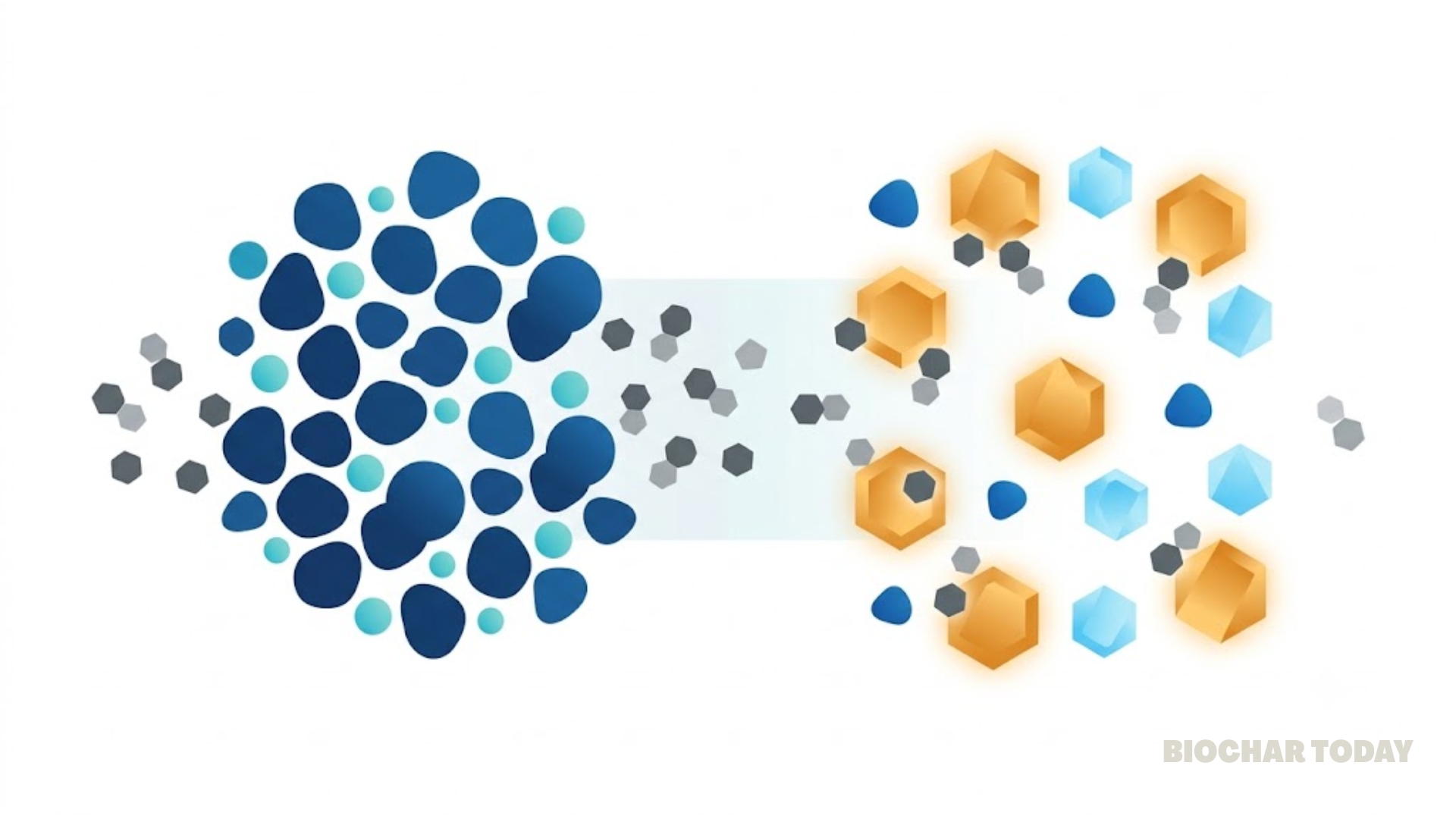
  • High-Temperature Biochar at Seven Hundred Degrees Celsius Reduces Bioavailable Cadmium by Over Twenty-Two Percent Through Synergistic Microbial Interactions

    High-Temperature Biochar at Seven Hundred Degrees Celsius Reduces Bioavailable Cadmium by Over Twenty-Two Percent Through Synergistic Microbial Interactions

Previous Page
1 2 3 4 … 15
Next Page
  • LinkedIn
  • X
  • Facebook
  • Instagram
  • Reddit
  • Spotify
  • RSS Feed

GET THE NEWSLETTER

By clicking subscribe, you agree to share your email address with the site owner and Mailchimp to receive marketing, updates, and other emails from the site owner. Use the unsubscribe link in those emails to opt out at any time.

Processing…
Success! You're on the list.
Whoops! There was an error and we couldn't process your subscription. Please reload the page and try again.
  • Resources
  • Glossary
  • Partner Directory
  • About
  • Editorial Guidelines
  • Contact
  • Privacy Policy
  • Disclaimer


Loading Comments...