
Key Takeaways
- Returning stable, carbon-rich biocharBiochar is a carbon-rich material created from biomass decomposition in low-oxygen conditions. It has important applications in environmental remediation, soil improvement, agriculture, carbon sequestration, energy storage, and sustainable materials, promoting efficiency and reducing waste in various contexts while addressing climate change challenges. More to farmland reduces atmospheric emissions and improves soil health.
- Combustible gas produced during biochar creation serves as a renewable alternative to fossil fuels.
- Biochar applications enhance the overall quality of cultivated land and increase crop yields.
- This versatile material offers new opportunities for environmental cleanup and land remediation.
Inaugural editorial in Biochar by Wenfu Chen demonstrates how re-introducing stable carbon to degraded land through biochar technology provides a powerful mechanism to combat climate change, enhance soil properties, and generate renewable energy to replace fossil fuels. The rapid development of modern industry, agriculture, and services has disrupted the ancient carbon balance of the planet. Carbon that was securely stored underground for millennia, primarily in the form of fossil energy and organic substances, has been released into the atmosphere in massive quantities. This unprecedented release has triggered a destructive cascade of ecological and environmental challenges, including a sharp rise in greenhouse gases, widespread soil degradation, and a severe decline in the quality of cultivated land worldwide. These compounding factors dictate the current trajectory of global climate change, which places immense stress on already fragile systems of food security, energy availability, and general environmental safety. To counteract these threats, scientists and policymakers are recognizing that capturing atmospheric carbon and actively restoring it to the land is one of the most critical strategies available today.
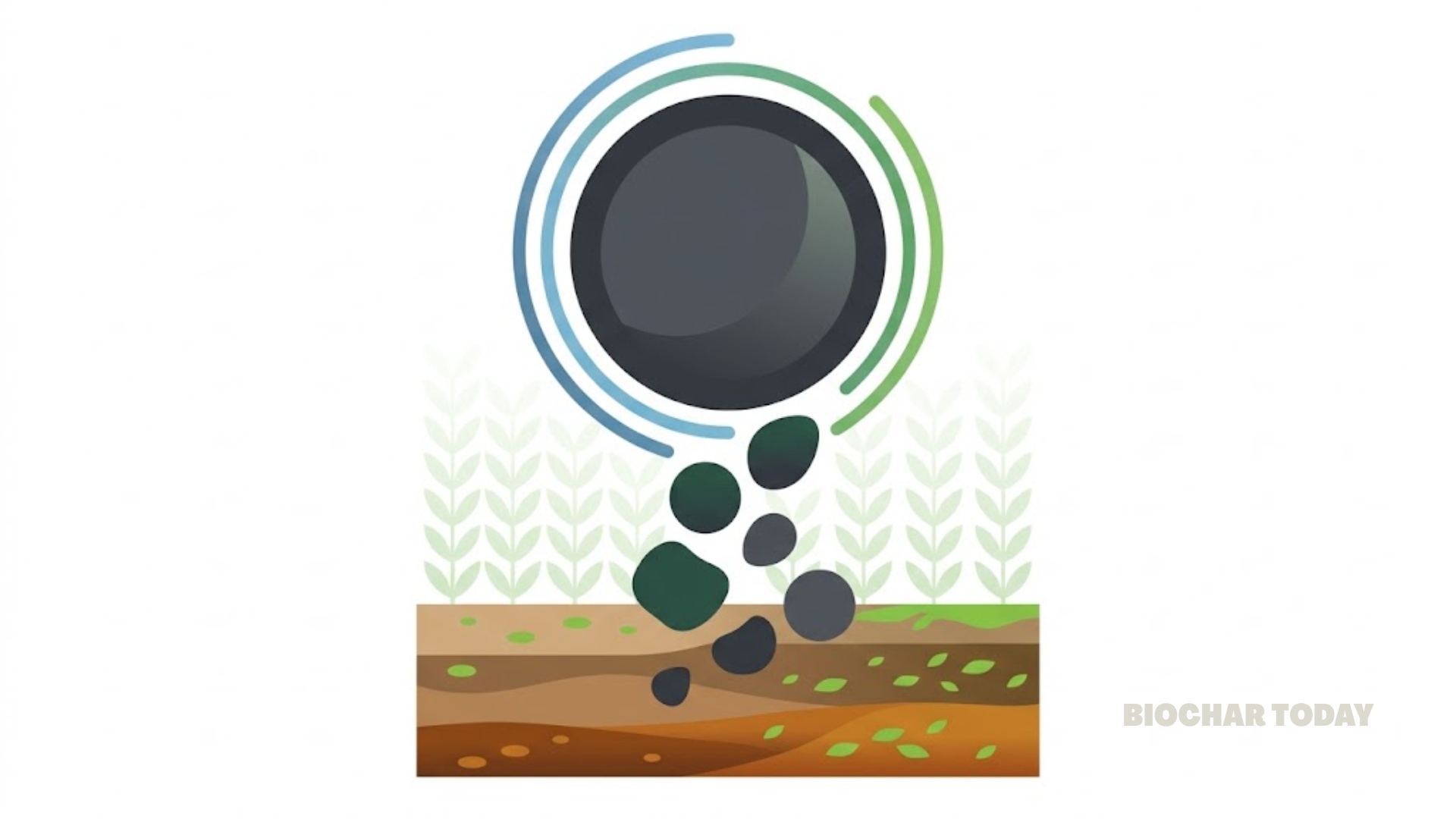
Among the various technologies designed for carbon capture and storage, biochar technology has garnered significant attention and high expectations from the global scientific community. Biochar functions primarily as a highly stable, carbon-rich product. When biological materials undergo the process of carbonization and are subsequently returned to farmland, they achieve a dual benefit. They effectively lock away carbon that would otherwise enter the atmosphere as a greenhouse gas, while simultaneously offering broad application prospects for improving the physical and chemical properties of agricultural soils. This integration enhances the quality of cultivated land and directly boosts crop yields. Furthermore, implementing biochar technology on a large industrial scale provides an actionable pathway for utilizing alternative resources, leading to a substantial mitigation of global climate change.
The benefits of this technology extend beyond carbon sequestration and soil enhancement into the realm of clean energy and environmental remediation. During the thermal production of biochar, the process generates a combustible gas. This gas functions as a viable renewable energy source that can partially replace traditional fossil fuels, thereby further reducing the carbon footprint of industrial and agricultural operations. Additionally, as a versatile biomass-based material, biochar holds immense potential for targeted soil remediation and broader environmental improvement projects. While the foundational concepts of biochar stem from a modern understanding of ancient agricultural practices, the contemporary pressure of climate change has vastly enriched the scope of this research field.
Currently, a significant gap remains before the scientific community can claim a comprehensive and objective clarification of the exact mechanisms, overall effectiveness, and optimal production technologies associated with biochar. The corresponding theoretical research, technology development, and industrial economic frameworks are still operating in a preliminary stage. This leaves an open and highly valuable arena for future discovery and innovation. To address these gaps and accelerate progress, the academic journal Biochar, sponsored by Shenyang Agricultural University and published in cooperation with the Springer Nature Group, serves as a dedicated professional platform. The publication aggregates innovative research regarding biochar preparation, processing, carbon-based materials, soil improvement, climate change mitigation, energy utilization, and regional development to foster sustainable development and improve human life.
Source: Chen, W. (2019). Inaugural editorial: pioneering the innovation and exploring the future for biochar technology. Biochar, 1(1), 1-1.





Leave a Reply