Skip to content
LinkedIn
X
Facebook
Instagram
Reddit
Spotify
RSS Feed
Search
News
Blog
Industry Insights
Expert Profiles
Biochar Decoded
Ask Annie
Announcements
Podcast
Videos
Insights
Use Cases
Agriculture
Horticulture
Livestock
Landscaping
Building Materials
Concrete / Asphalt
Reforestation
Soil Remediation
Water Treatment
Carbon Sequestration
About
About Biochar Today
Partner Directory
Editorial Guidelines
Contact
Environmental Remediation
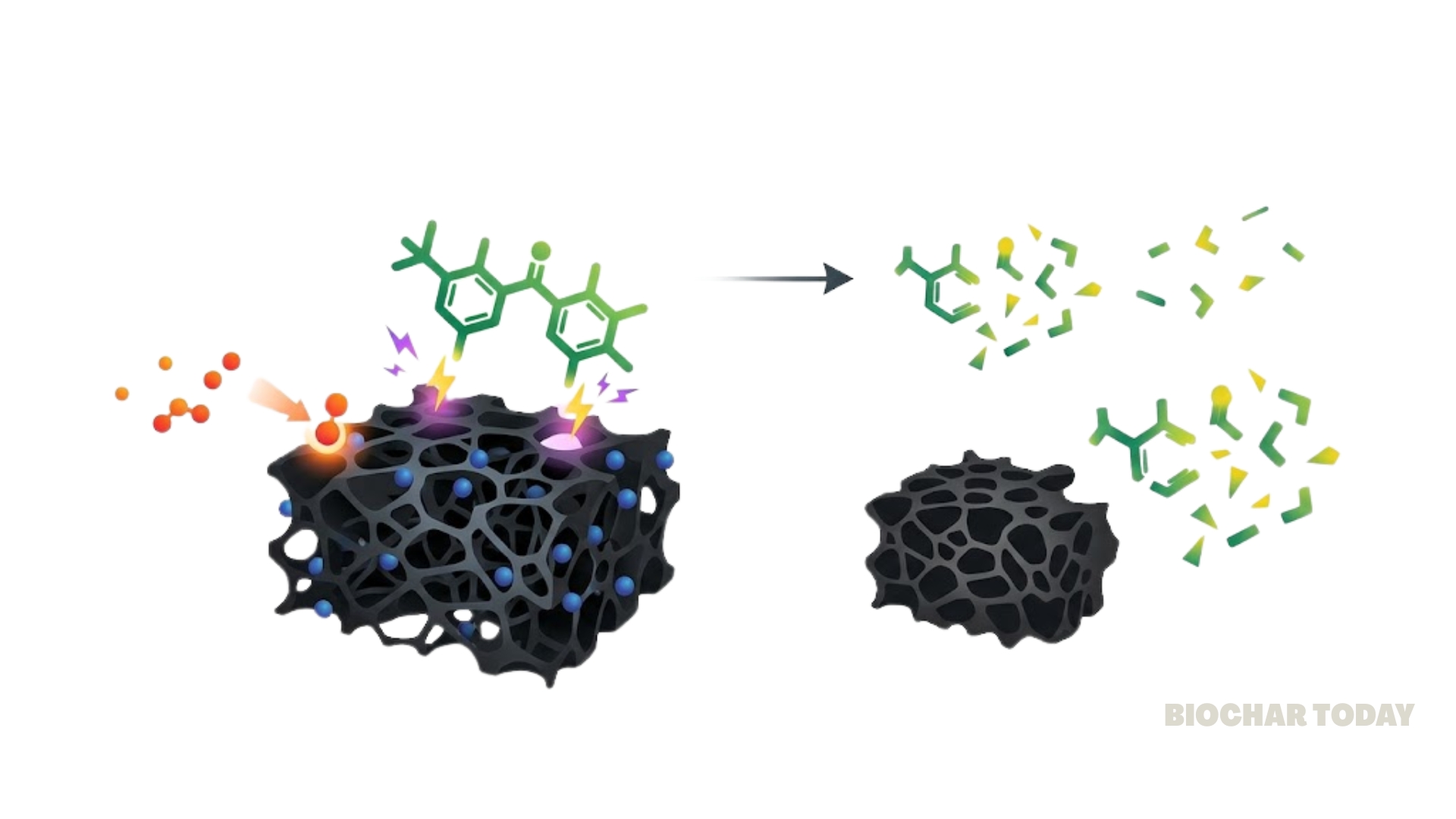
Nitrogen-Doped Biochar Increases Insect Repellent Ozone Degradation Rates 106-Fold
Intrinsic Redox Superiority Drives Biochar Application Efficiency Over Traditional Carbon Materials
Soil Additions Increase Lower-Nutrient Greenspace Carbon and Nitrogen Levels Up to 14.4-Fold
Biochar Application Lowers Soil Nitrous Oxide Gas Emissions by 10.5 to 54.8 Percent
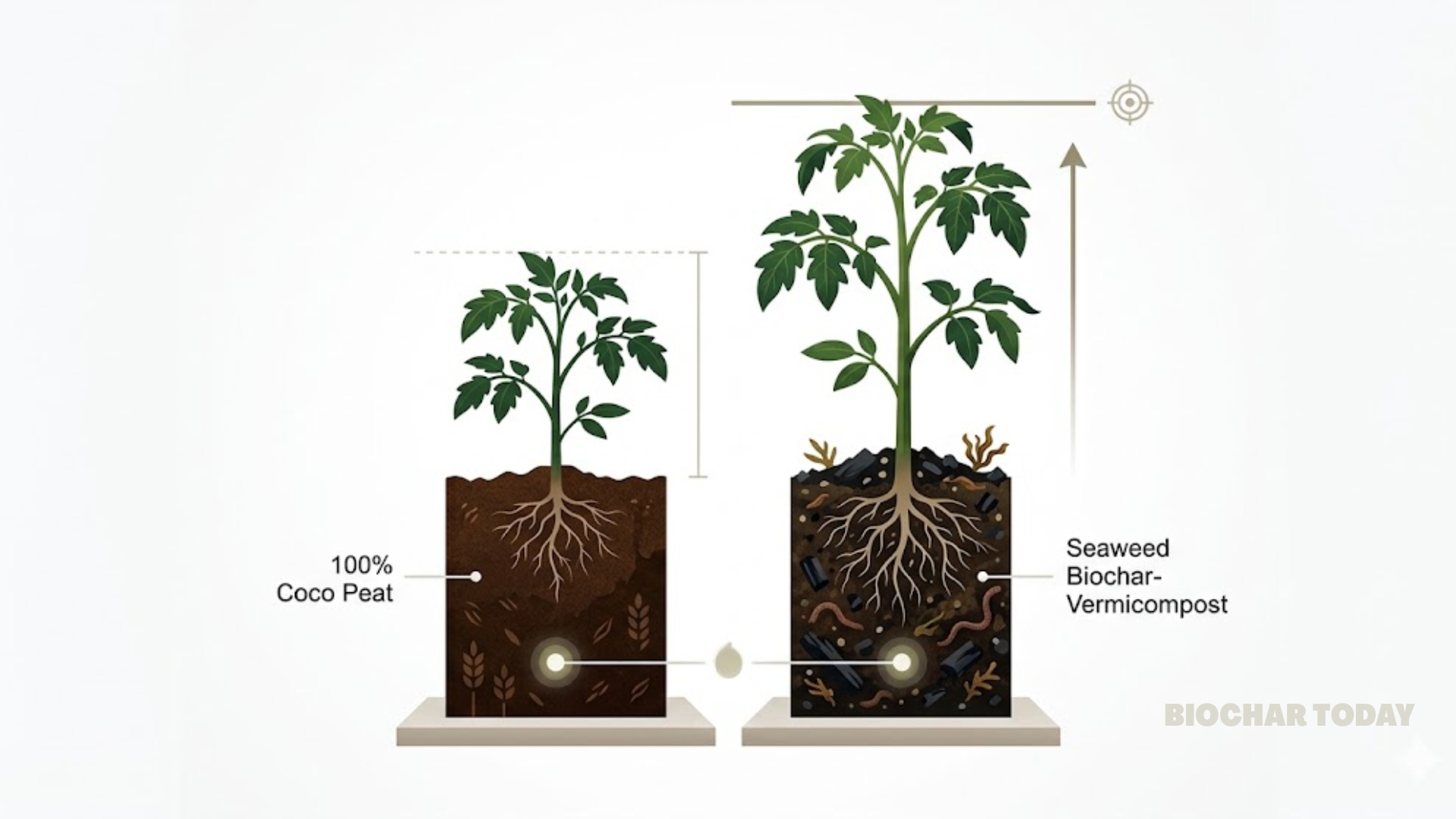
Substituting 100% Coco Peat for Seaweed Biochar-Vermicompost Raises Tomato Seedling Heights to 13.69 Centimeters Under Fertilized Conditions
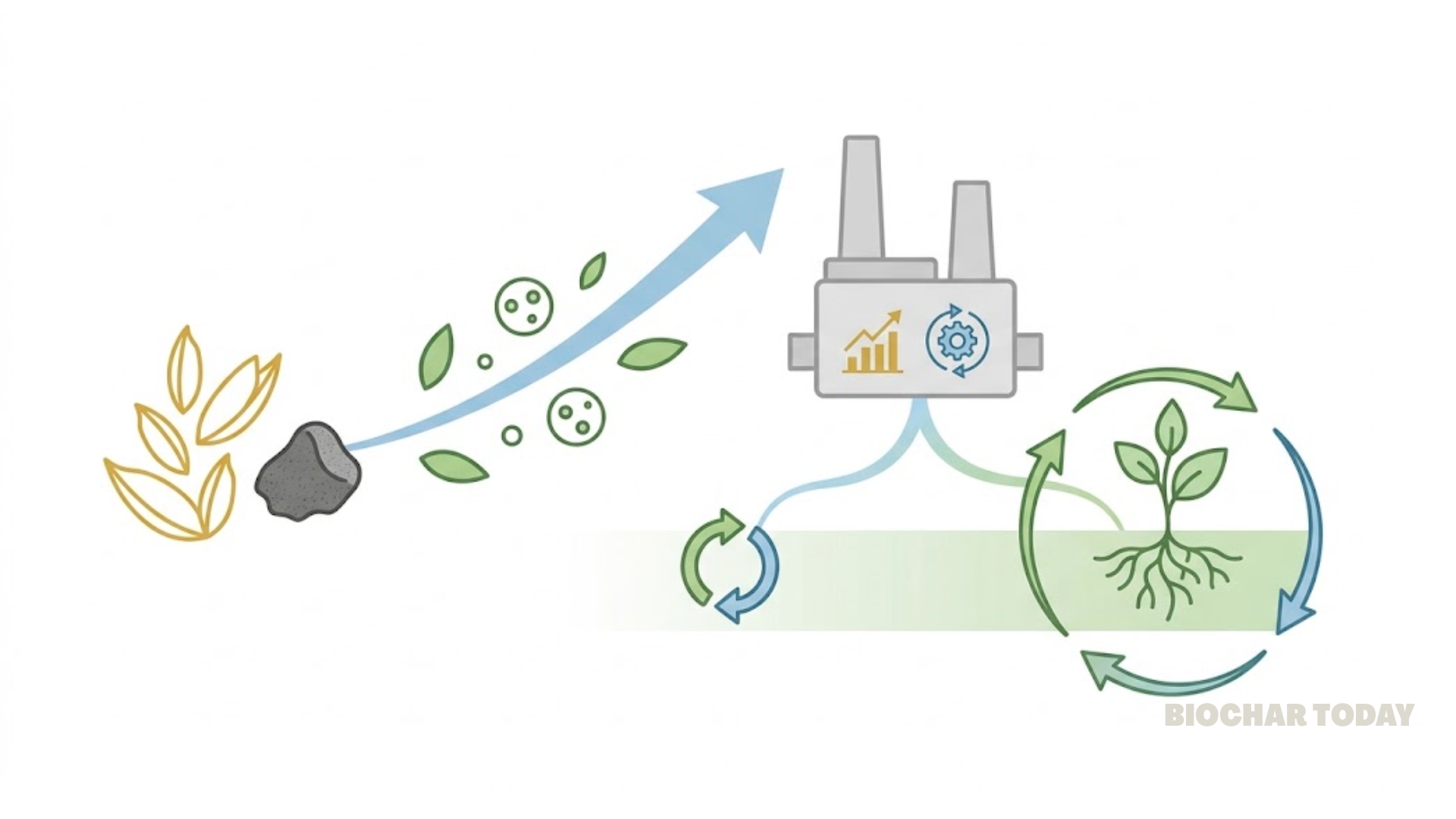
Magnesium-Impregnated Rice Husk Biochar Sequentially Treats 4.32 Cubic Meters of Wastewater Daily Before Soil Application Yields a Potential Reduction of 1.34 Kilograms of Carbon Dioxide Equivalent Per Kilogram
High-Rate Wood Biochar applied at Three Percent Divergently Alters Soil Nitrous Oxide Temperature Sensitivity in Agricultural and Forest Ecosystems
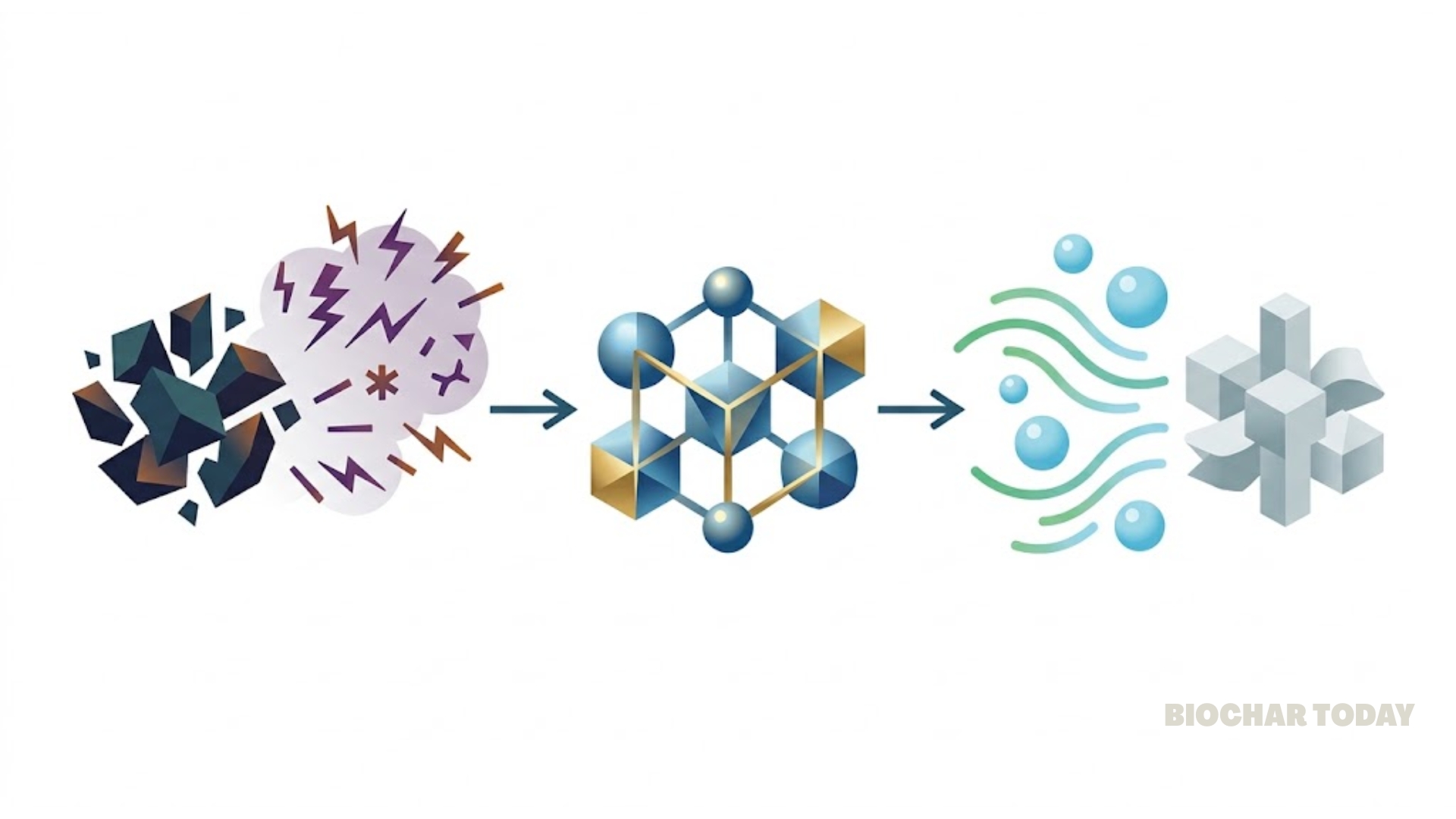
Metal Oxide Catalysts Reduce Toxic Chemical Emissions During Composite Processing by 15% to 20%
Breaking the Trade-off Between Reactivity and Stability in Soil Humic Acid
Biochar for a Sustainable Future: Environmentally Friendly Production and Diverse Applications
Previous Page
1
…
9
10
11
12
13
…
33
Next Page
Loading Comments...
Write a Comment...
Email (Required)
Name (Required)
Website