• LinkedIn
  • X
  • Facebook
  • Instagram
  • Reddit
  • Spotify
  • RSS Feed
  • News
  • Blog
    • Ask Annie
    • Spill the Char
    • Expert Profiles
  • Videos
  • Use Cases
    • Agriculture
    • Horticulture
    • Livestock
    • Landscaping
    • Building Materials
    • Concrete / Asphalt
    • Reforestation
    • Soil Remediation
    • Water Treatment
    • Carbon Sequestration
  • The Biochar Show
  • Store
  • About
    • Partner Directory
    • Editorial Guidelines
    • Contact

reusability

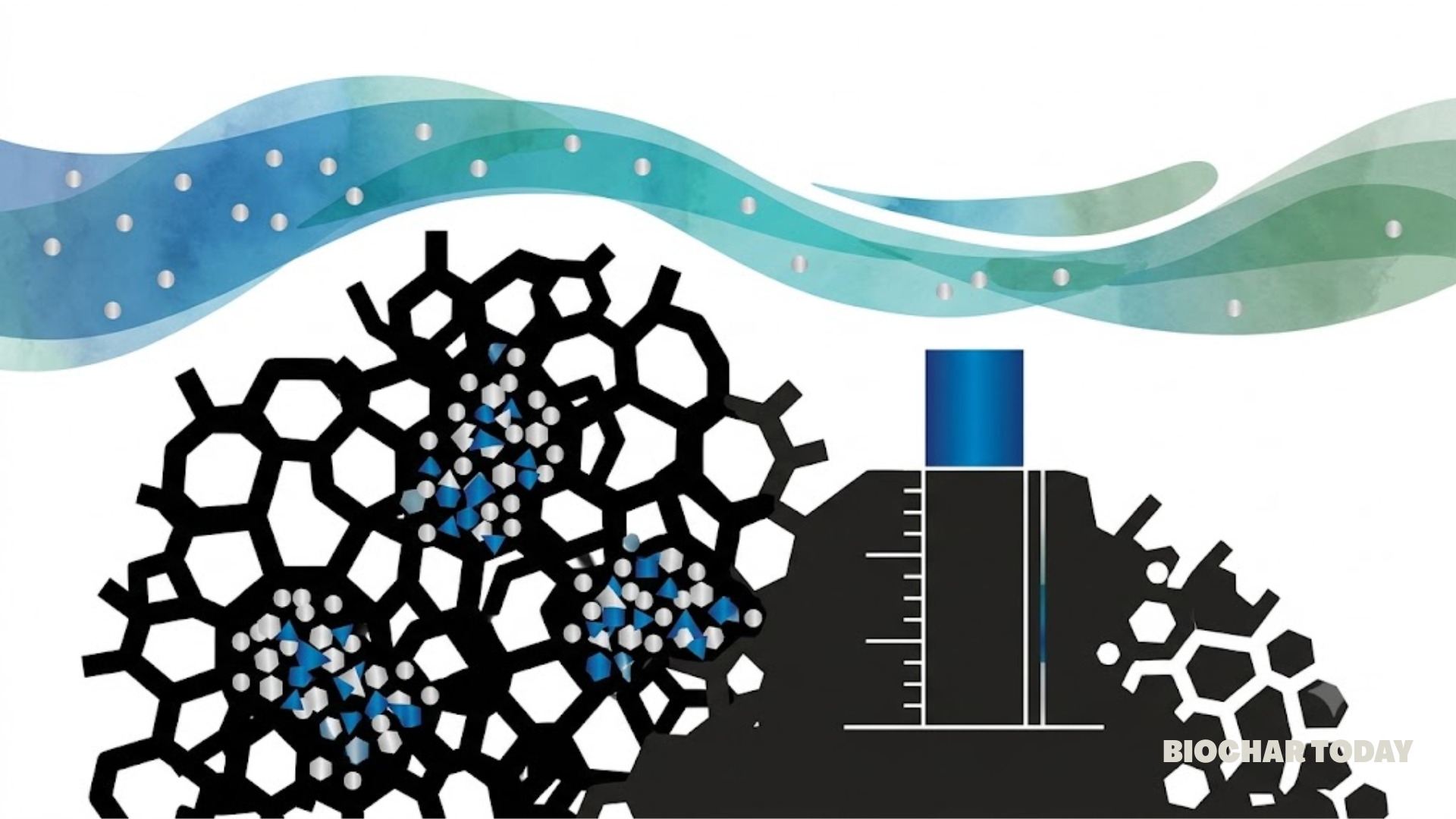
  • Iron-Modified Biochar’s Cost is Nearly Half That of Activated Carbon, Demonstrating High Potential for Reuse in Pollutant Cleanup

    Iron-Modified Biochar’s Cost is Nearly Half That of Activated Carbon, Demonstrating High Potential for Reuse in Pollutant Cleanup

  • From 100 Cycles to 4: Biochar Reusability Is Key to Greener Food Analysis, But 36% of Methods Still Use Problematic Solvents

    From 100 Cycles to 4: Biochar Reusability Is Key to Greener Food Analysis, But 36% of Methods Still Use Problematic Solvents

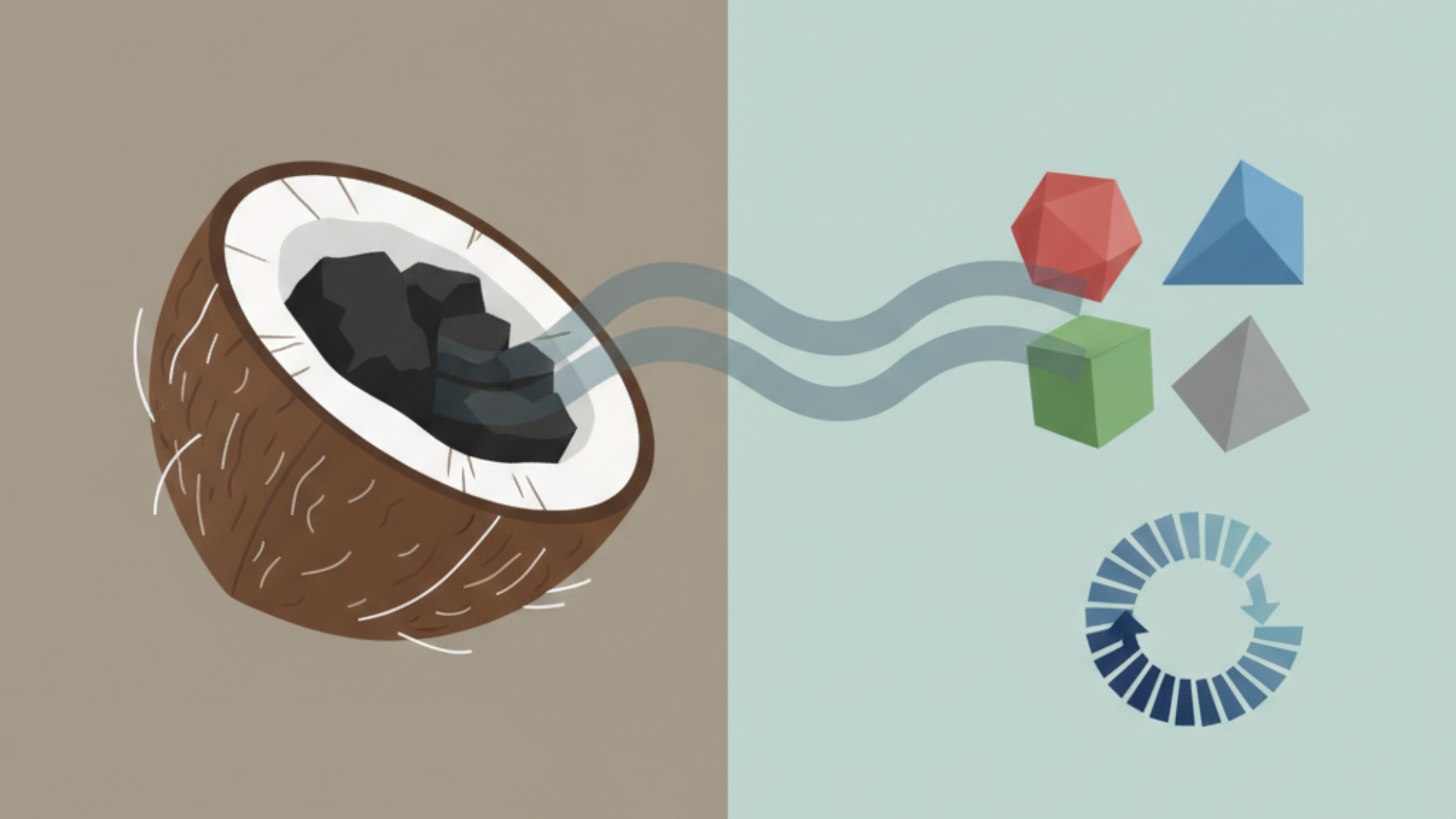
  • Coconut Waste Biochar Removes 99% of Heavy Metals, Reusable for 20 Cycles

    Coconut Waste Biochar Removes 99% of Heavy Metals, Reusable for 20 Cycles

  • Steam-Activated Hydrochar from Wine Waste Achieves 99.2% Diclofenac Removal with 25.19 mg/g Capacity

    Steam-Activated Hydrochar from Wine Waste Achieves 99.2% Diclofenac Removal with 25.19 mg/g Capacity

  • Engineered Biochar Systems Boost Atrazine Degradation by 20–40% and Maintain >80% Efficiency After Five Uses

    Engineered Biochar Systems Boost Atrazine Degradation by 20–40% and Maintain >80% Efficiency After Five Uses

  • Biochar Made From Grape Stalks Achieves 99% Removal of a Key Antibiotic from Hospital Wastewater

    Biochar Made From Grape Stalks Achieves 99% Removal of a Key Antibiotic from Hospital Wastewater

  • “Black Gold” of Green Chemistry: Biochar’s Rise in Food Analysis

    “Black Gold” of Green Chemistry: Biochar’s Rise in Food Analysis

  • Efficient Norfloxacin Removal: Cerium Nanocomposite Tea Biochar Achieves 95.19% Degradation with Persulfate Activation and Retains 81.75% Activity After 8 Cycles

    Efficient Norfloxacin Removal: Cerium Nanocomposite Tea Biochar Achieves 95.19% Degradation with Persulfate Activation and Retains 81.75% Activity After 8 Cycles

  • Biochar-Based Biosensor Detects Cardiac Troponin T at 0.003 ng/mL with High Reusability

    Biochar-Based Biosensor Detects Cardiac Troponin T at 0.003 ng/mL with High Reusability

  • Biochar’s Breakthrough: N-doped Cu/Al@Biochar Achieves 90% Tetracycline and 82% Norfloxacin Removal from Wastewater

    Biochar’s Breakthrough: N-doped Cu/Al@Biochar Achieves 90% Tetracycline and 82% Norfloxacin Removal from Wastewater

1 2 3
Next Page
  • LinkedIn
  • X
  • Facebook
  • Instagram
  • Reddit
  • Spotify
  • RSS Feed

GET THE NEWSLETTER

By clicking subscribe, you agree to share your email address with the site owner and Mailchimp to receive marketing, updates, and other emails from the site owner. Use the unsubscribe link in those emails to opt out at any time.

Processing…
Success! You're on the list.
Whoops! There was an error and we couldn't process your subscription. Please reload the page and try again.
  • Resources
  • Glossary
  • Partner Directory
  • About
  • Editorial Guidelines
  • Contact
  • Privacy Policy
  • Disclaimer


Loading Comments...