Skip to content
LinkedIn
X
Facebook
Instagram
Reddit
Spotify
RSS Feed
Search
News
Blog
Industry Insights
Expert Profiles
Biochar Decoded
Ask Annie
Announcements
Podcast
Videos
Insights
Use Cases
Agriculture
Horticulture
Livestock
Landscaping
Building Materials
Concrete / Asphalt
Reforestation
Soil Remediation
Water Treatment
Carbon Sequestration
About
About Biochar Today
Partner Directory
Editorial Guidelines
Contact
pyrolysis temperature
Biochar application increases total secondary- and micro-nutrient accumulation in crops by 12.8% without altering overall nutrient concentration
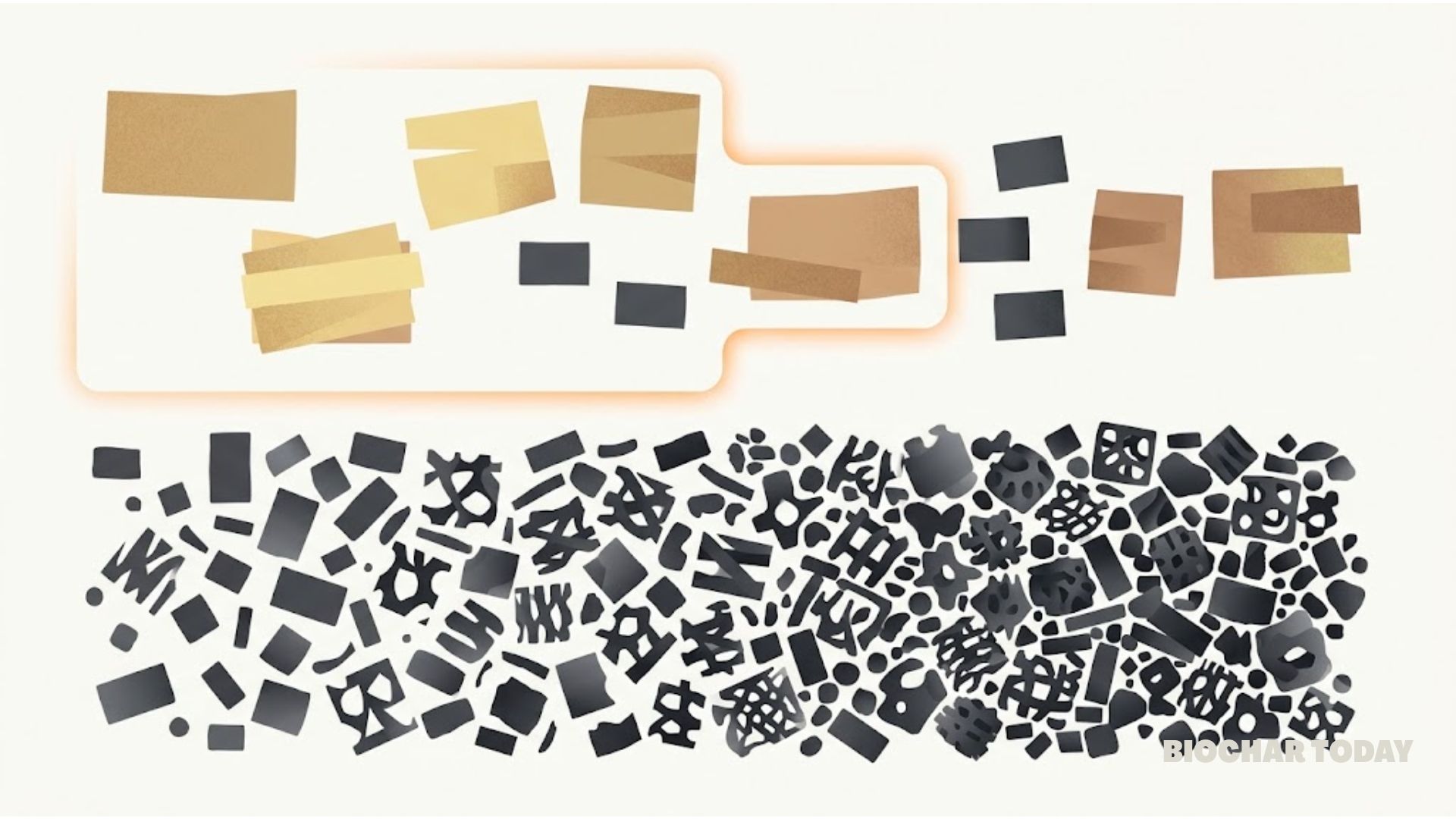
Increasing Pyrolysis Temperature from Four Hundred to Eight Hundred Degrees Celsius Boosts Fixed Carbon Content in Coffea canephora Husk Biochar by Ten Percentage Points
Converting Teff Straw to Biochar at 500 Degrees Celsius Boosts Surface Area by 46 Percent
Random Forest Model Outperforms Other Machine Learning Algorithms with 0.9107 Accuracy in Predicting Biochar-Mediated Soil Phosphorus Availability
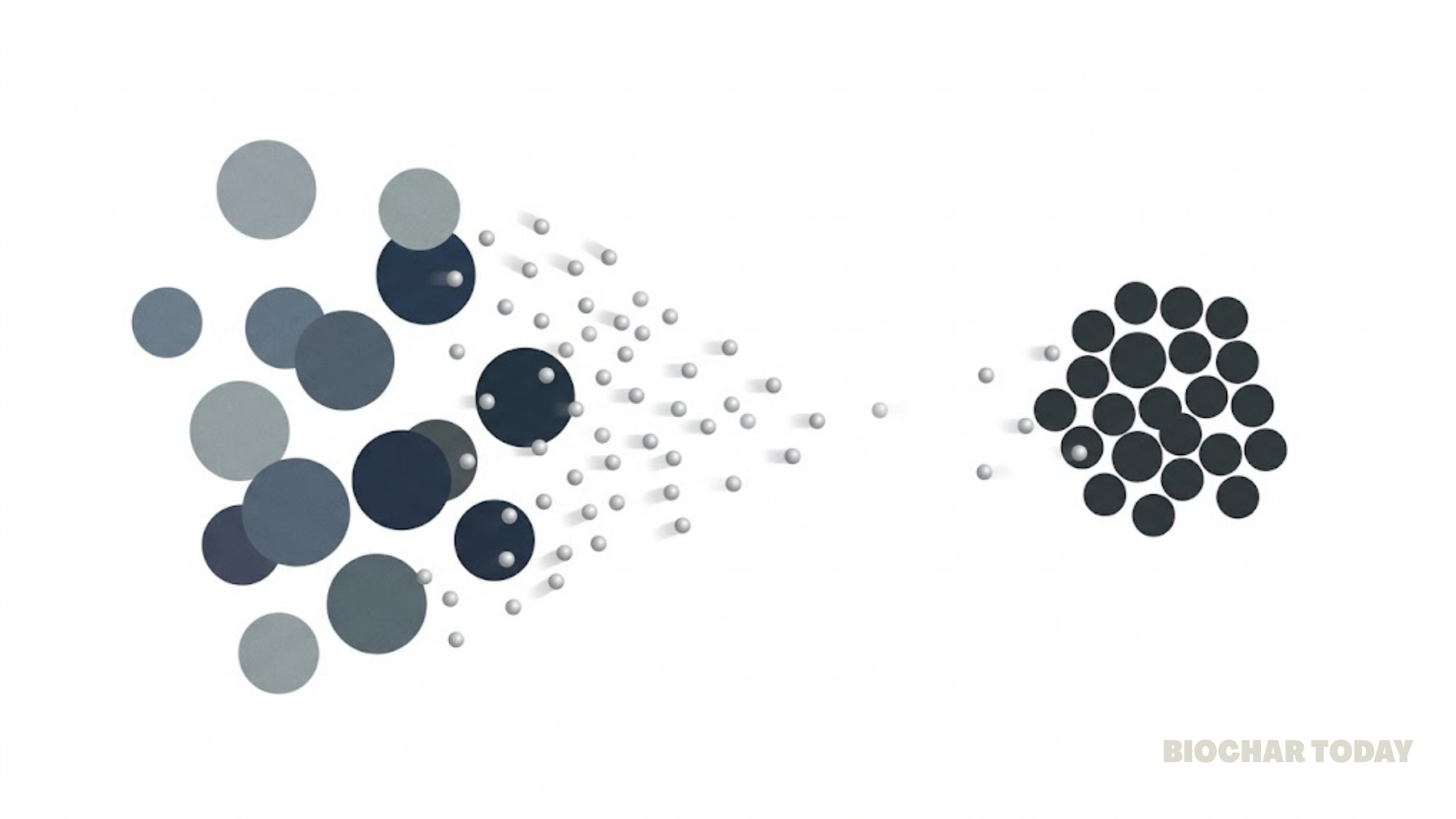
Lower Pyrolysis Temperatures Drive 2.5-Times Faster Silver Ion Reduction in Nano-Biochar Systems
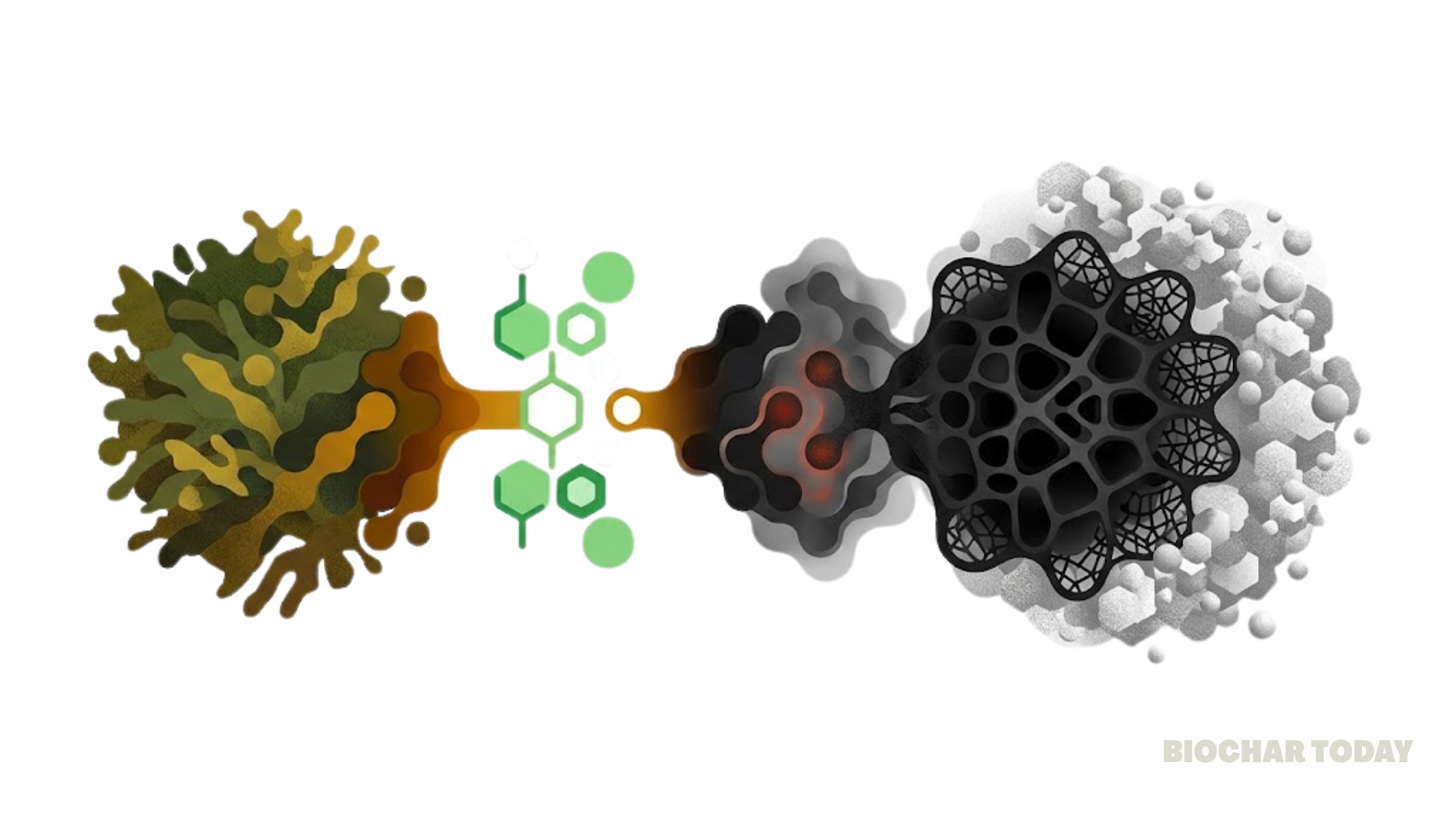
KOH Activation Before Low-Temperature Pyrolysis Maximizes Sargassum Biochar CO2 Capture Capacity to 120.5 mg/g
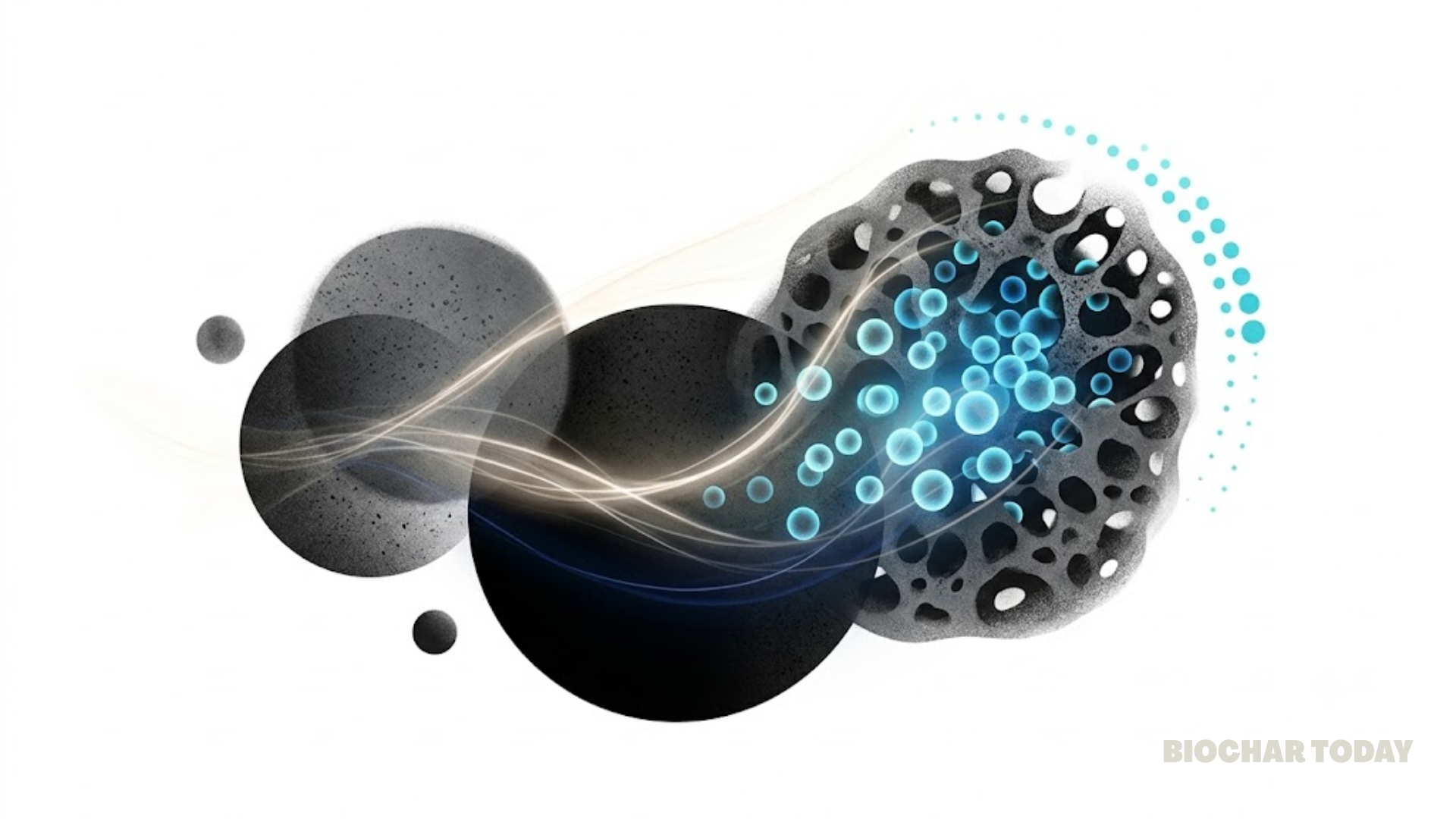
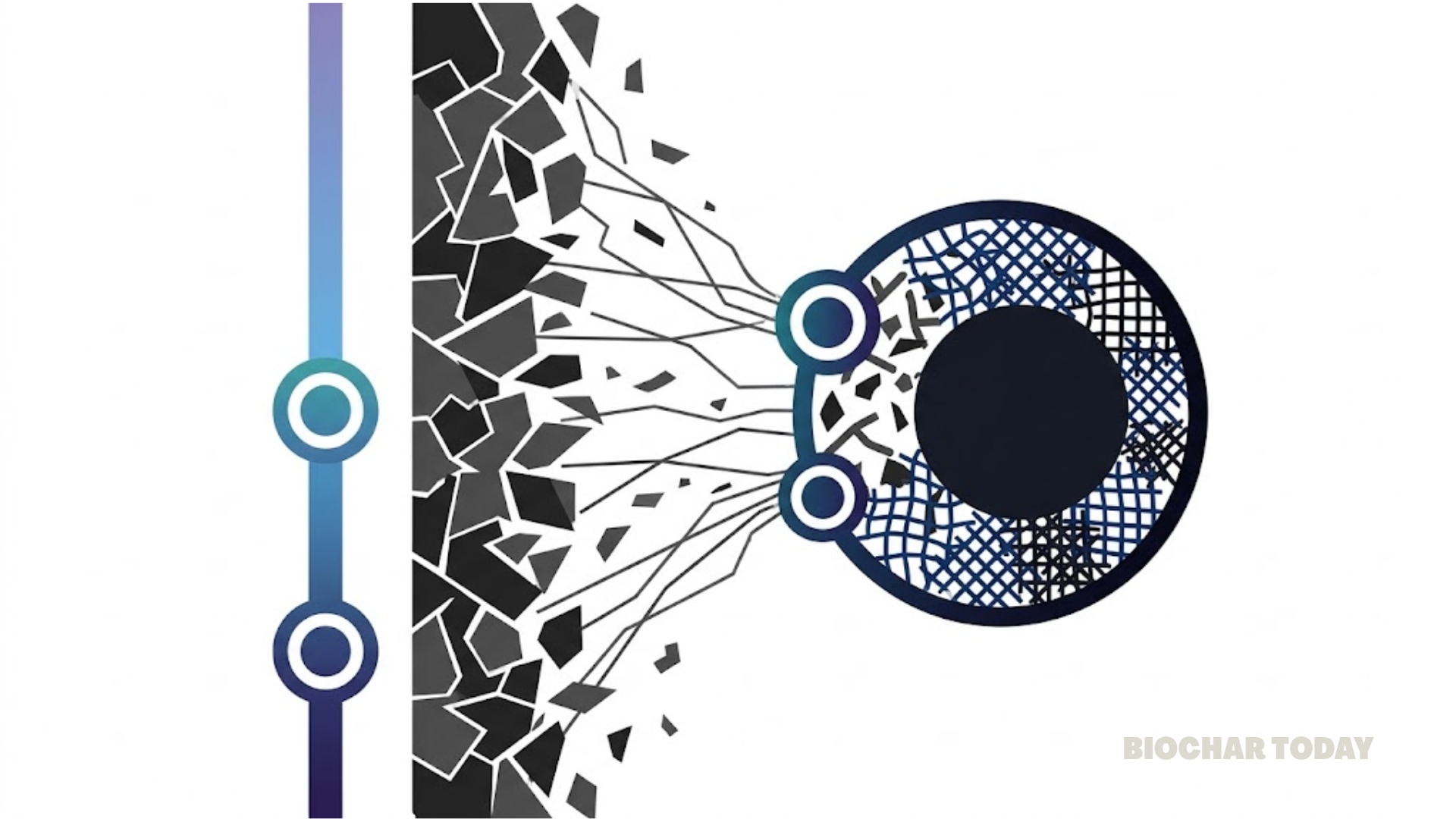
Dissolved Black Carbon Colloidal Stability Governed by Pyrolysis Conditions Controls Carbon Sequestration and Pollutant Mobility
Mathematical Models Reveal Up to 3.82 Millimoles Per Gram Carbon Capture Potential in Biochar
Tobacco Stem Biochar Pyrolyzed at High Temperatures Achieves One Hundred Percent Eradication of Soil-Borne Plant Pathogens
Pyrolysis Temperature Adjustments Enable Up to Ninety-Five Percent Immobilization of Agricultural Soil Plastics
1
2
3
…
13
Next Page
Loading Comments...
Write a Comment...
Email (Required)
Name (Required)
Website