

Key Takeaways
- Scientists have developed a new type of eco-friendly material made from charred plant waste that can clean polluted water using only the power of sunlight.
- These sustainable materials are highly effective at capturing and breaking down harmful chemicals, including antibiotics and dyes, which are often difficult to remove.
- In specific tests, these materials successfully removed nearly all of a highly toxic form of chromium from water in less than thirty minutes.
- The materials work by acting as a bridge for electricity, helping solar energy drive chemical reactions that transform dangerous pollutants into harmless substances.
- Using agricultural leftovers like straw and fruit peels to create these cleaners helps reduce waste while providing a low-cost way to protect our environment.
In the journal Ecotoxicology and Environmental Safety, researchers Zhen Wang, Qing Xiang, Daixiong Zhang, An Xue, Yu Fang, and Shanshan Hu explore the transformative potential of biocharBiochar is a carbon-rich material created from biomass decomposition in low-oxygen conditions. It has important applications in environmental remediation, soil improvement, agriculture, carbon sequestration, energy storage, and sustainable materials, promoting efficiency and reducing waste in various contexts while addressing climate change challenges. More in the field of environmental remediation. Their research reveals that biochar is far more than just a byproduct of burning organic waste; it is a sophisticated and tunable platform that can significantly enhance the performance of solar-powered cleanup technologies. By combining biochar with light-sensitive materials, the team has created composites that address the long-standing limitations of traditional water treatment methods, such as the slow reaction times and the rapid loss of energy during the cleaning process.
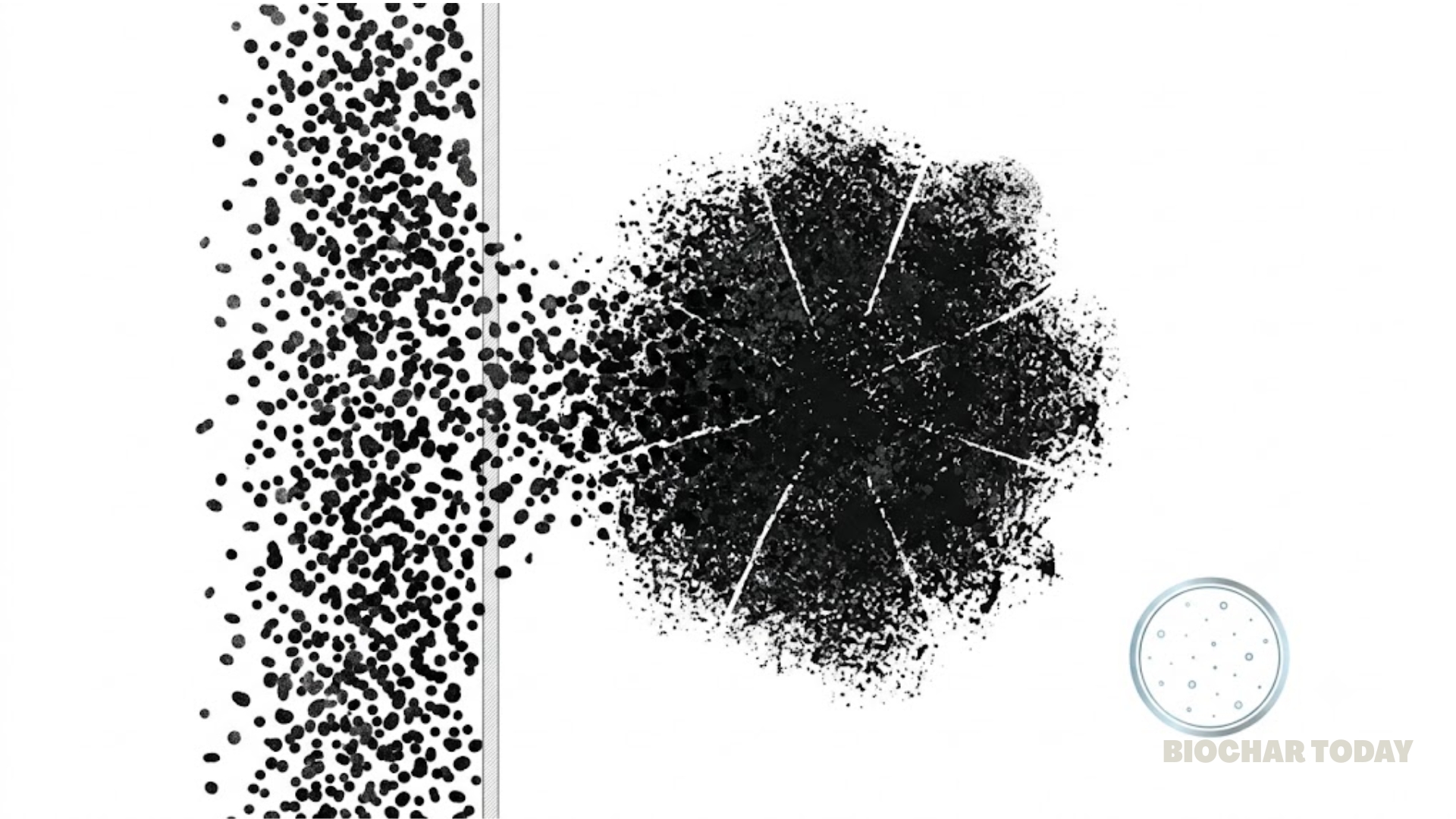
The findings indicate that the unique physical structure of biochar, which is filled with tiny pores and active chemical sites, allows it to trap pollutants like a sponge while simultaneously acting as an electrical highway for solar-generated energy. This dual action is particularly effective in dealing with persistent organic pollutants and heavy metals. For instance, the study points to specific examples where biochar-based materials removed over 99.9 percent of toxic chromium from water in just 25 minutes. This level of performance is a significant jump from older materials, which often struggle to maintain their efficiency over multiple uses or in complex real-world water conditions.
Beyond just cleaning water, the research demonstrates that these materials are versatile enough to purify the air by breaking down volatile organic compounds that contribute to indoor pollution and smog. The researchers found that by precisely controlling how the biochar is made—such as changing the temperature it is heated at or the type of plant waste used—they can “tune” the material to target specific pollutants more effectively. This level of customization opens the door for creating specialized filters for industrial sites or even smart air purifiers for homes that operate more efficiently under normal visible light.
Ultimately, the study concludes that biochar-based materials represent a powerful, low-carbon solution for global environmental challenges. By turning agricultural and forestry waste into high-tech tools for environmental protection, this approach supports a circular economy and reduces the carbon footprint of industrial processes. As scientists continue to refine these materials using advanced computer modeling and standardized production methods, the transition from successful laboratory experiments to practical, everyday environmental solutions becomes increasingly achievable for a cleaner and safer world.
While the results are highly promising, the study also identifies important areas for future work to ensure these materials are ready for large-scale use. One of the primary findings is that while the materials are excellent at removing pollutants, it is vital to ensure that the process does not create new, hidden toxic byproducts. The researchers advocate for a more holistic approach to testing that includes checking the health of aquatic organisms after the water has been treated. This ensures that the technology provides a net benefit to the ecosystem rather than just moving the problem from one form to another.
Source: Wang, Z., Xiang, Q., Zhang, D., Xue, A., Fang, Y., & Hu, S. (2026). Research progress on biochar-based photocatalytic materials for pollutant treatment: Structural regulation, electronic mechanisms, and engineering challenges. Ecotoxicology and Environmental Safety, 310, 119793.



Leave a Reply