
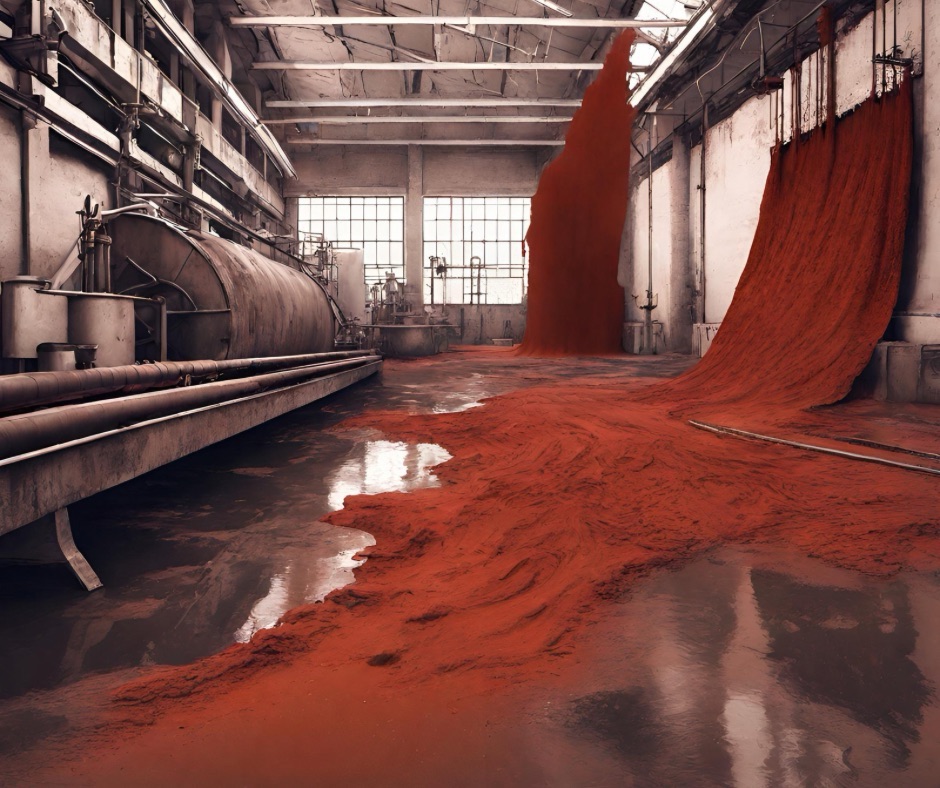
Li, Deng, et al (2024) Enhanced activation of persulfate by modified red mud biocharBiochar is a carbon-rich material created from biomass decomposition in low-oxygen conditions. It has important applications in environmental remediation, soil improvement, agriculture, carbon sequestration, energy storage, and sustainable materials, promoting efficiency and reducing waste in various contexts while addressing climate change challenges. More for degradation of dye pollutant: Resource utilization and non-radical activation. Journal of Environmental Management, Vol 353. https://doi.org/10.1016/j.jenvman.2024.120181
The booming dyeing and printing industry generates hazardous dye wastewater rich in recalcitrant pollutants, posing a significant environmental threat. Additionally, the burgeoning disposal of red mud, a waste product from aluminum production, contributes to soil erosion and groundwater contamination. This research presents a promising solution: a novel biochar-loaded red mud (RBC) catalyst for efficient dye wastewater treatment.
This study highlights the effectiveness of RBC in activating persulfate (PDS) for the degradation of a model pollutant, acid orange 7 (AO7). With remarkable speed and efficiency, the RBC catalyst achieved a complete removal of AO7 within 60 minutes. This impressive performance suggests a dominant non-radical pathway, driven by singlet oxygen and facilitated by electron transfer mechanisms from the biochar component. Notably, RBC exhibited excellent reusability due to its biochar content and reduced zero-valent iron species.
By elucidating the non-radical activation mechanism and electron transfer process, this research paves the way for further development and optimization of red mud-based catalysts. Moreover, the proposed catalyst shows strong potential for practical applications due to its effectiveness, reusability, and environmental benefits. This research offers a groundbreaking solution for dual challenges: reducing red mud pollution and tackling dye wastewater contamination, paving the way for a more sustainable future.




Leave a Reply