
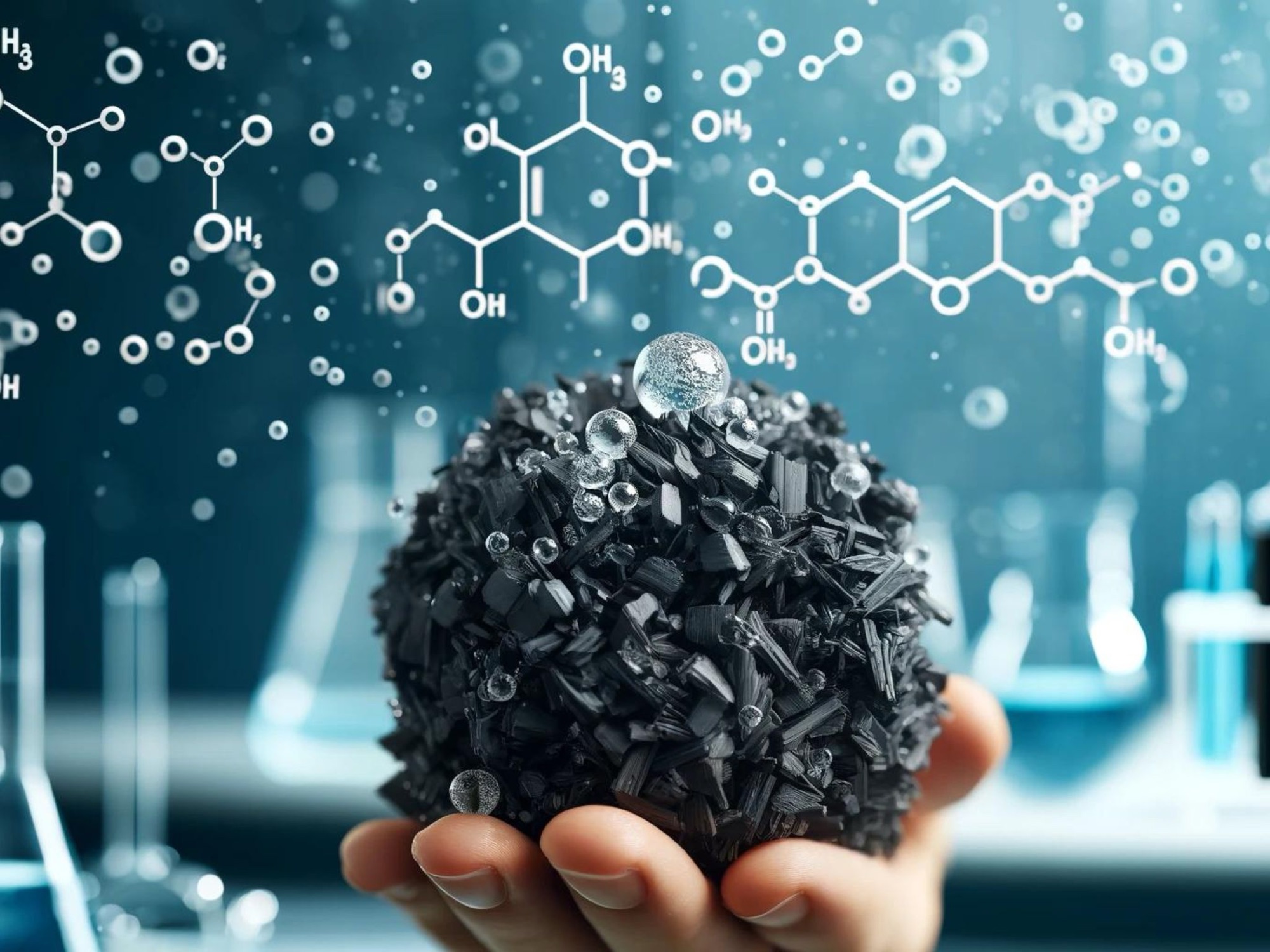

Inadequate treatment of antibiotic-contaminated wastewater poses significant risks to ecological and human health. Norfloxacin (NOR), a widely used antibiotic, is frequently found in various water bodies due to its extensive use in pharmaceuticals and livestock industries. Recent research published in Environmental Pollution highlights a novel method to address NOR pollution using amorphous TiO2-modified biochar (A-TiO2/BC).
The study, led by Yu-liang Hu and colleagues, developed A-TiO2/BC through sol-gel impregnation, resulting in a material with a specific surface area of 131.8 m²/g, nearly twice that of unmodified biochar. This increased surface area, along with the presence of hydroxyl and oxygen-containing functional groups, provided ample active sites for NOR adsorption. The research found that NOR removal primarily occurred via monolayer adsorption with some heterogeneous surface adsorption.
Optimal NOR adsorption occurred under weakly acidic conditions, with A-TiO2/BC achieving an impressive adsorption capacity of 78.14 mg/g at a NOR dosage of 20 mg/L and a pHpH is a measure of how acidic or alkaline a substance is. A pH of 7 is neutral, while lower pH values indicate acidity and higher values indicate alkalinity. Biochars are normally alkaline and can influence soil pH, often increasing it, which can be beneficial More of 6. The synergistic interactions between A-TiO2 and biochar enhanced the adsorption efficiency, making this composite a promising alternative for NOR removal.
Compared to other adsorption methods, A-TiO2/BC demonstrated superior performance, highlighting the potential of biochar-based composites in environmental remediation. This study underscores the importance of developing innovative adsorbents to improve the removal rates and efficiencies of persistent pollutants like antibiotics, contributing to safer water management practices.



Leave a Reply