


Researchers have made strides in the development of magnetic biochar, a versatile material for water treatment, through an innovative oxidative magnetization method. In a recent study, scientists employed KMnO4/Fe2(SO4)3 accelerated pyrolysisPyrolysis is a thermochemical process that converts waste biomass into bio-char, bio-oil, and pyro-gas. It offers significant advantages in waste valorization, turning low-value materials into economically valuable resources. Its versatility allows for tailored products based on operational conditions, presenting itself as a cost-effective and efficient More to manufacture magnetic biochar at a low temperature of 300 °C, addressing challenges related to the decomposition of functional groups and high energy consumption.
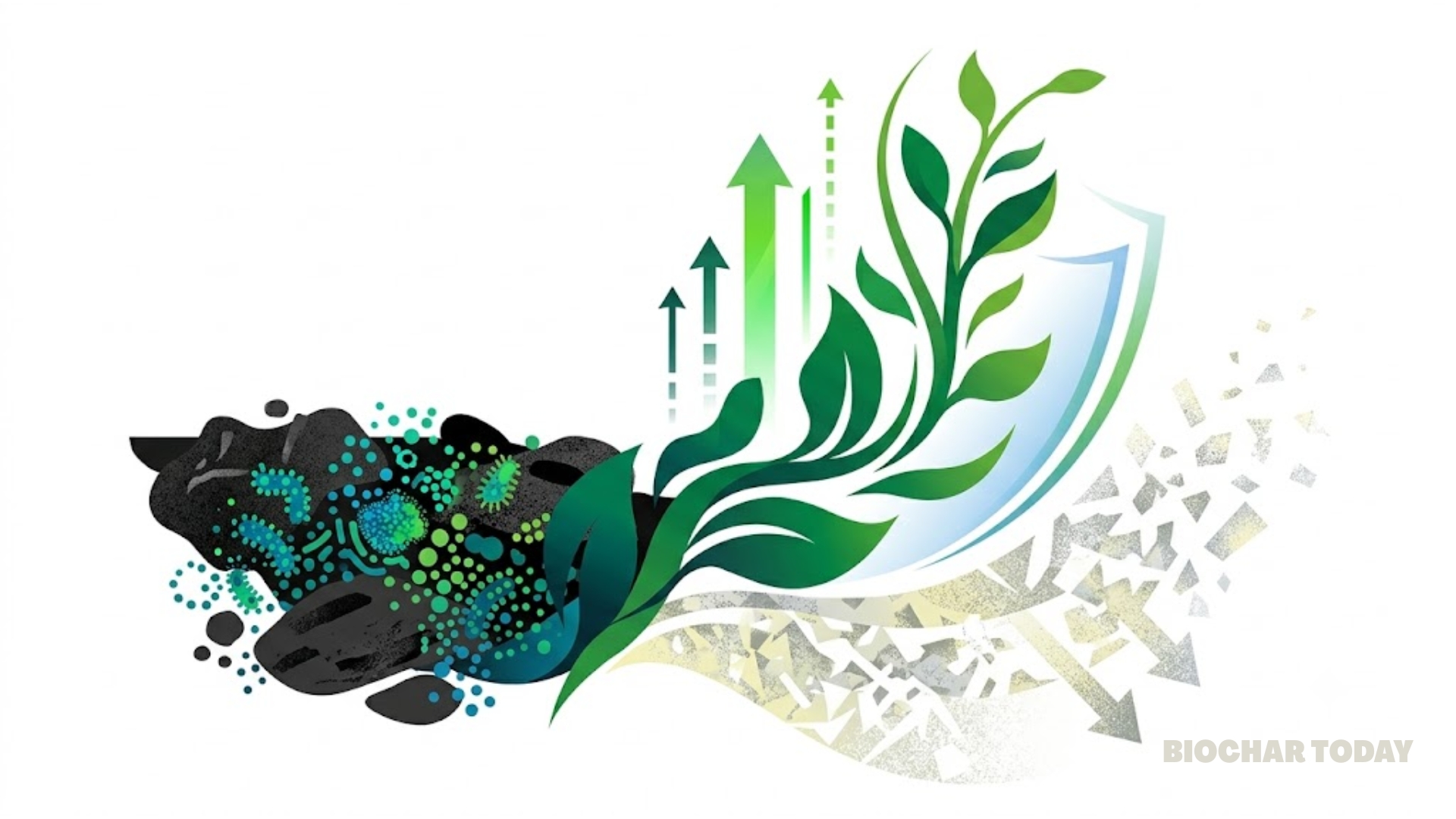
The key findings of the study include the massive doping of spherical nanoscale Fe3O4 with abundant oxygen functional groups. This resulted in a significant enhancement of both pore volume and surface area, leading to high adsorption capabilities for various contaminants. The magnetic biochar exhibited good saturation magnetization even at low temperatures, showcasing its efficiency.
The research emphasized the importance of both adsorptive and magnetic performances for wastewater treatment. Traditionally, high-temperature methods limited the adsorption capability of magnetic biochar due to the reduction of functional groups. However, the KMnO4/Fe2(SO4)3 accelerated pyrolysis method demonstrated superior generality in fabricating high-performance magnetic biochars using diverse bio-wastes at lower temperatures.
The study utilized kelp as a feedstockFeedstock refers to the raw organic material used to produce biochar. This can include a wide range of materials, such as wood chips, agricultural residues, and animal manure. More and examined the removal of Cr6+, methylene blue, and tetracycline—common contaminants in natural aquatic environments. The researchers also evaluated the biomassBiomass is a complex biological organic or non-organic solid product derived from living or recently living organism and available naturally. Various types of wastes such as animal manure, waste paper, sludge and many industrial wastes are also treated as biomass because like natural biomass these More effect using lobster shell, banana pseudo-stem, and core straw.
This groundbreaking research not only showcases the potential of oxidative magnetization in enhancing the properties of magnetic biochar but also offers a promising and environmentally friendly approach for water treatment. The findings pave the way for the widespread application of magnetic biochars in wastewater treatment, addressing the challenges associated with conventional manufacturing methods.




Leave a Reply