
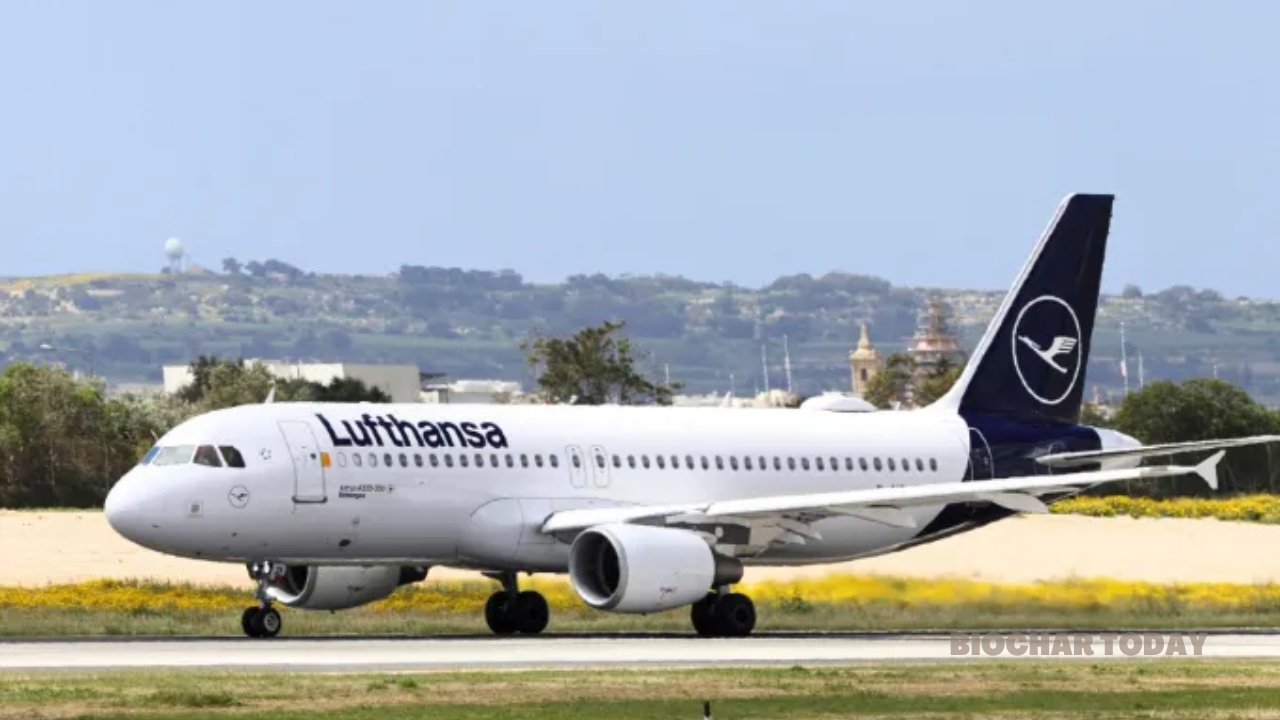
The Germany-based Lufthansa Group, Europe’s largest airline conglomerate, has signed a multi-year carbon dioxide removal (CDR) offtake agreement with Germany-based platform Senken. This strategic transaction establishes a diversified procurement structure spanning three different carbon removal methodologies across three continents, integrating both technological and nature-based solutions. As a core element of its updated climate protection portfolio, which features 14 highly certified initiatives, the aviation group has designated permanent atmospheric carbon extraction as a key corporate priority. Specifically, 20 percent of this newly structured portfolio is dedicated to permanent carbon removal methodologies, reflecting a deliberate shift away from traditional emission-avoidance credits.
The primary obstacle addressed by this commercial arrangement is the inherent difficulty the global aviation sector faces in mitigating hard-to-abate operational emissions while navigating a highly volatile voluntary carbon market. Airlines must balance immediate ecological co-benefits with long-term geological permanence, a task complicated by a historical deficit of transparent, high-integrity carbon credits. Furthermore, technological carbon removal options often lack immediate scalability, whereas certain nature-based solutions lack permanent containment assurances. For institutional buyers, vetting various international projects across disparate regulatory frameworks to avoid greenwashing risks represents a substantial administrative and financial challenge.
To resolve these market inefficiencies, Senken acted as a multi-methodology curator, selecting and aggregating a balanced portfolio of high-integrity carbon removal projects specifically tailored to the airline’s criteria. Senken vetted the credits using its proprietary Sustainability Integrity Index (SII), an exhaustive evaluation protocol featuring more than 600 data points across five distinct analytical stages. This stringent filtering mechanism evaluates project fundamentals, quantifiable carbon impact, socio-ecological co-benefits, reporting processes, and strict compliance with international frameworks like the ICVCM, CSRD, and SBTi. Ultimately, the curated solution combined direct air capture and storage from Deep Sky, regenerative agriculture from Klim, and industrial biocharBiochar is a carbon-rich material created from biomass decomposition in low-oxygen conditions. It has important applications in environmental remediation, soil improvement, agriculture, carbon sequestration, energy storage, and sustainable materials, promoting efficiency and reducing waste in various contexts while addressing climate change challenges. More sourcing from Exomad Green.
The contractual outcome establishes a rigorous benchmark for corporate transparency within the European aviation sector, as Lufthansa becomes one of the first major airline groups to fully disclose its procurement portfolio. By committing to long-term offtake volumes, the agreement delivers an essential demand signal that enables developers of both technological and industrial biochar projects to scale operations with financial predictability. Structurally, less than five percent of available market projects satisfy Senken’s rigorous SII criteria, confirming that this agreement aligns directly with the Oxford Principles for high-integrity carbon management. Consequently, the airline secures verifiable, high-permanence removals while simultaneously supporting regional ecological co-benefits on a global scale.




Leave a Reply