
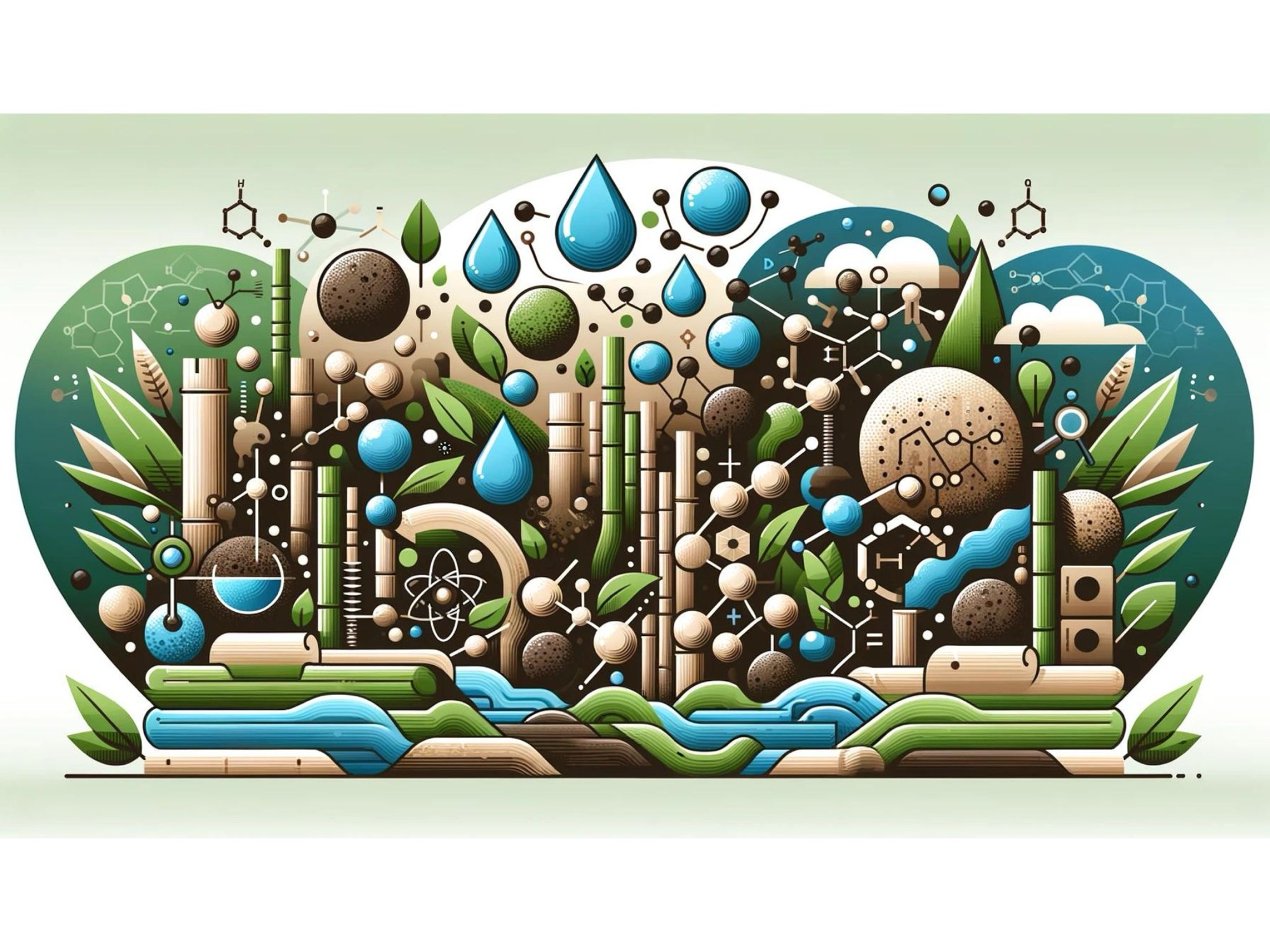

Recent research has unveiled a breakthrough in biochar technology that promises substantial improvements in water purification, particularly in removing harmful plasticizers like diethyl phthalate (DEP) from water systems. Using a novel sequential carbonization method derived from bamboo waste, scientists have crafted nitrogen-doped porous biochar with unparalleled surface areas and porosityPorosity of biochar is a key factor in its effectiveness as a soil amendment and its ability to retain water and nutrients. Biochar’s porosity is influenced by feedstock type and pyrolysis temperature, and it plays a crucial role in microbial activity and overall soil health. Biochar More.
This new production process involves three key steps: hydrothermal carbonization, prepyrolysis aided by potassium/calcium formate, and urea-assisted postpyrolysis. The resultant biochar showcases a specific surface area of 3921 m²/g and a pore volume of 1.87 cm³/g, significantly surpassing previous materials used for similar purposes. Additionally, it contains a high nitrogen content of 2.04%, enhancing its pollutant sorption capacity.
The biochar demonstrated exceptional sorption performance, with a peak sorption rate of 823.46 mg/g for DEP. This efficiency is attributed to several mechanisms including pore filling, hydrogen bonding, π-π stacking, and partitioning. These features not only facilitate the capture and retention of contaminants but also bolster the reusability of the biochar, making it a viable option for repeated use in environmental remediation.
Given the pressing global need for effective solutions to tackle pollution, particularly in water bodies, this innovative method offers a green and sustainable approach to managing environmental contaminants. The high-value application extends beyond water purification to potentially include uses in catalysis, energy storage, and filtration, marking a significant advancement in the use of biochar technology for environmental protection and sustainability.




Leave a Reply