
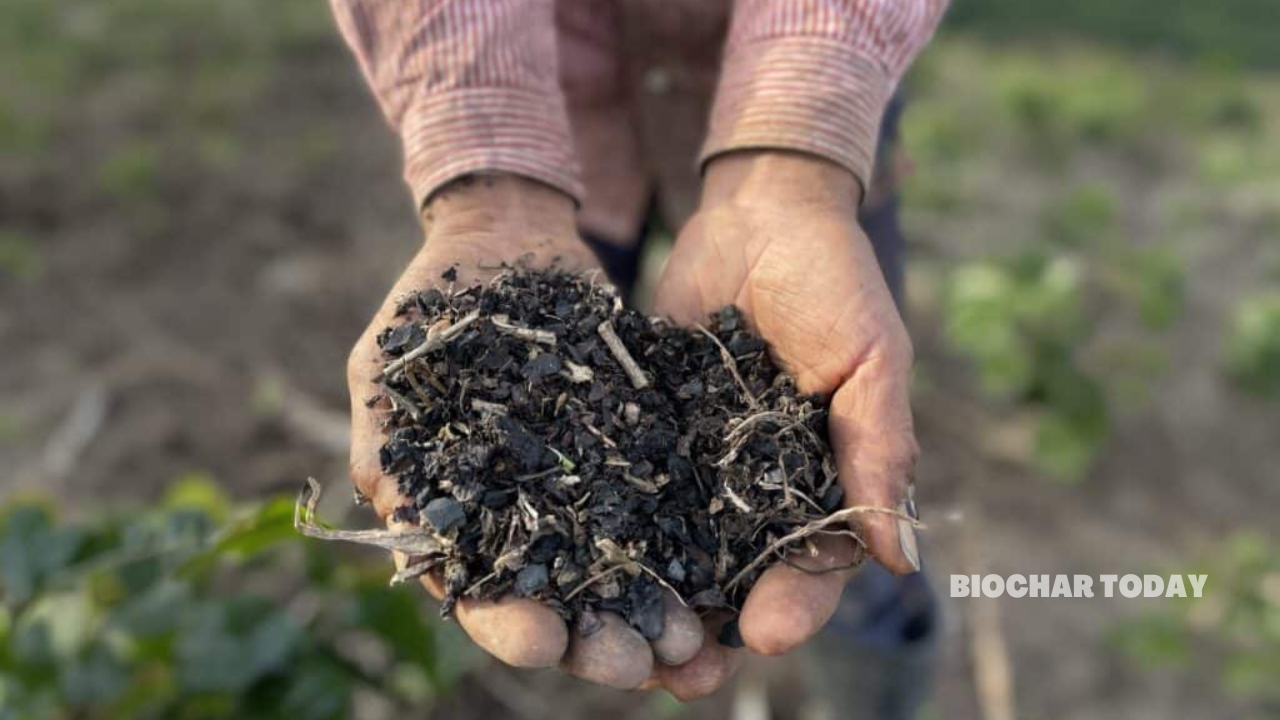
Neumann Kaffee Gruppe (NKG), operating through its Colombian export subsidiary SKN Caribecafé, has partnered with Swiss biocharBiochar is a carbon-rich material created from biomass decomposition in low-oxygen conditions. It has important applications in environmental remediation, soil improvement, agriculture, carbon sequestration, energy storage, and sustainable materials, promoting efficiency and reducing waste in various contexts while addressing climate change challenges. More technology startup Cotierra to implement an integrated biochar program across coffee-growing regions in Colombia. Initiated as a pilot project in 2024, the initiative now engages over 5,000 coffee-farming families across seven departments. The strategy focuses on converting agricultural residues—specifically coffee tree prunings and stumping biomass—into high-stability biochar through controlled pyrolysisPyrolysis is a thermochemical process that converts waste biomass into bio-char, bio-oil, and pyro-gas. It offers significant advantages in waste valorization, turning low-value materials into economically valuable resources. Its versatility allows for tailored products based on operational conditions, presenting itself as a cost-effective and efficient More, integrating carbon management directly into smallholder agronomic practices.
The enterprise targets severe environmental and operational pressures facing Colombian coffee producers, including progressive soil degradation, erratic weather patterns driven by climate change, and escalating costs for synthetic inputs. Furthermore, untreated agricultural waste, particularly coffee pulp, typically undergoes slow decomposition that emits greenhouse gases and presents waste management burdens. Without intervention, raw coffee pulp requires up to nine months to compost, delaying nutrient cycling and leaving soil vulnerable to nutrient leachingLeaching is the process where nutrients are dissolved and carried away from the soil by water. This can lead to nutrient depletion and environmental pollution. Biochar can help reduce leaching by improving nutrient retention in the soil. More and reduced moisture retention.
To address these agronomic constraints, NKG, SKN Caribecafé, and Cotierra introduced a low-oxygen pyrolysis framework designed to transform woody coffee prunings into carbon-rich biochar. Farmers combine this biochar with wet coffee pulp to create an activated compost blend. The inclusion of biochar accelerates the composting timeline from nine months down to a window of six to eight weeks, with optimal nutrient loading and microbial colonization achieved between two and four months. This activated amendment is subsequently applied directly back to coffee plantation soils.
The implementation delivers measurable soil restoration and operational efficiency across participating farms. The biochar-amended compost improves soil structure, enhances cation exchange capacity, increases water-holding volume, and boosts nutrient-use efficiency without replacing base fertilizers. Field evaluations indicate healthier plant morphology, improved leaf condition, and enhanced flowering readiness. Beyond on-farm yield resilience, the program creates verified carbon dioxide removal (CDR) streams, allowing coffee supply chains to align with international low-carbon sourcing requirements.




Leave a Reply