
Key Takeaways
- Converting invasive coastal weeds into a specialized sulfur-treated charcoalCharcoal is a black, brittle, and porous material produced by heating wood or other organic substances in a low-oxygen environment. It is primarily used as a fuel source for cooking and heating. More product helps clean up toxic heavy metal pollution in wetlands.
- The special charcoal treatment locks away toxic cadmium into stable forms so plants absorb much less of it through their roots.
- Protecting plant roots from heavy metal stress allows them to grow longer and stronger even in heavily polluted soil.
- Healthy roots help plants maintain their green pigments and protect their light-absorbing systems from breaking down under severe stress.
- This dual approach solves two environmental problems at once by clearing out invasive plants and restoring damaged coastal ecosystems.
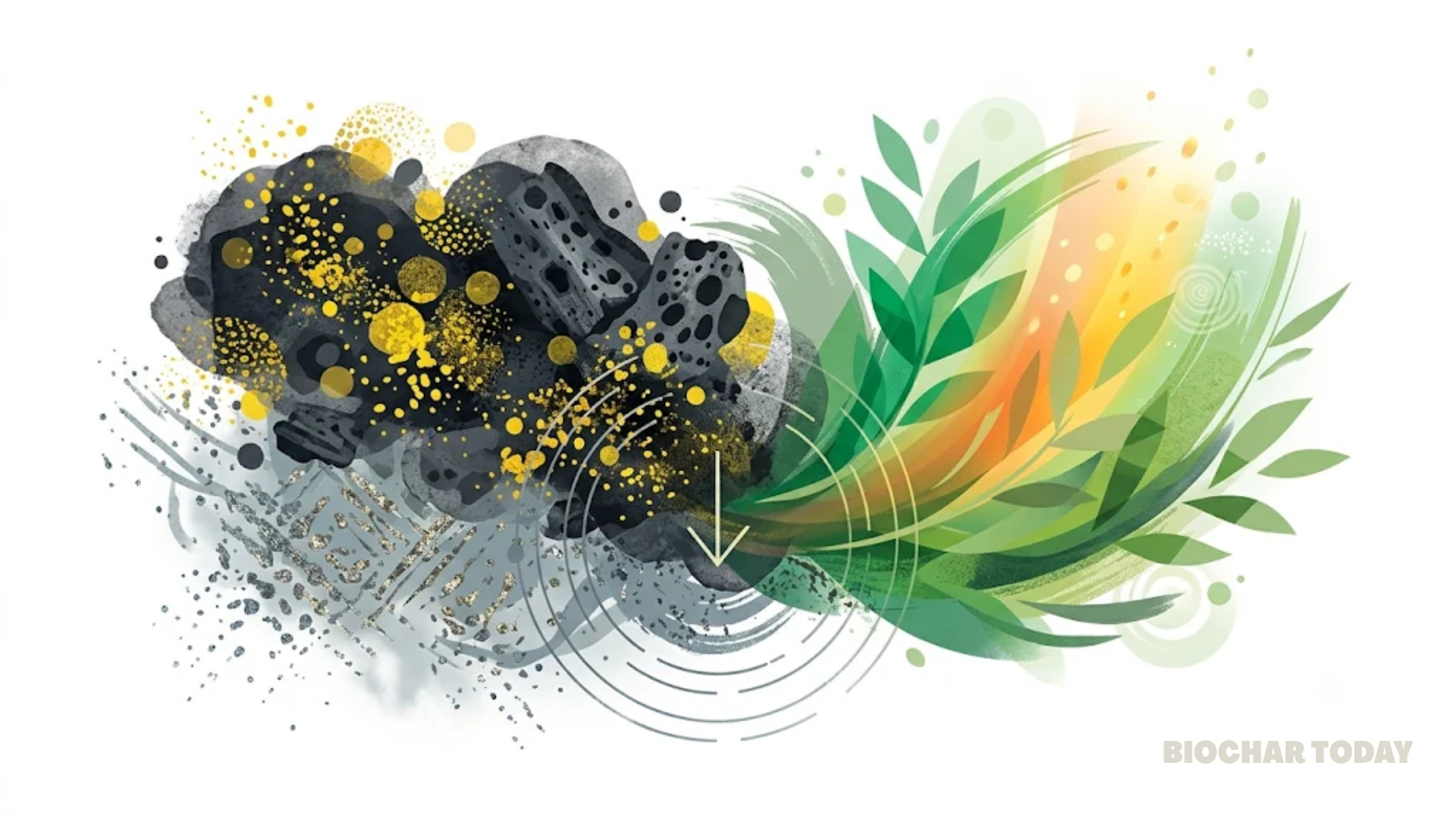
In a study published in Ecological Processes, researchers Chunjiang He, Zhanrui Leng, Longyun Lai, Shan Jiang, and Jian Li investigated innovative ways to manage coastal wetland pollution and invasive plant species simultaneously. Coastal wetlands function as vital natural filters for surrounding watersheds, but they are increasingly threatened by toxic heavy metal contamination, particularly cadmium, which enters ecosystems through various anthropogenic activities. At the same time, many coastal regions face severe ecological disruption from the rapid spread of an invasive marsh grass known as Spartina alterniflora. While traditional control methods like physical mowing clear the invasive biomassBiomass is a complex biological organic or non-organic solid product derived from living or recently living organism and available naturally. Various types of wastes such as animal manure, waste paper, sludge and many industrial wastes are also treated as biomass because like natural biomass these More, they generate substantial agricultural waste that requires careful handling. Transforming this unwanted plant material into a specialized soil amendmentA soil amendment is any material added to the soil to enhance its physical or chemical properties, improving its suitability for plant growth. Biochar is considered a soil amendment as it can improve soil structure, water retention, nutrient availability, and microbial activity. More offers a practical recycling pathway that addresses both ecological challenges at once.
To create this advanced remediation material, scientists processed the harvested invasive grass straw through a controlled thermal conversion process and introduced sulfur-bearing compounds onto its carbon framework. When applied to contaminated wetland sediments, this sulfur-treated material fundamentally changes the chemical behavior of the toxic heavy metals present in the soil environment. Instead of remaining in mobile, easily absorbed forms that threaten local flora, the cadmium is bound tightly into stable, secure chemical structures. The introduction of specific sulfur functional groups creates strong chemical bonds with the heavy metal ions, locking them securely away into stable mineral fractions. This chemical transformation successfully prevents the metal from dissolving freely into pore water, effectively neutralizing its immediate ecological danger and establishing a permanent geochemical barrier within the sediment matrix.
With the toxic elements securely immobilized in the soil matrix, the overall stress experienced by local wetland vegetation drops dramatically. Common reed plants growing in the treated sediment exhibit a massive decline in metal absorption through their root systems. Because the surrounding soil chemistry is stabilized and the bioavailable portion of the contaminant is sharply restricted, plants take in far less of the heavy metal into their living biological tissues. This restriction forms an effective protective shield that stops toxic ions from traveling upward into the stems and leaves of the plants. Consequently, the physiological health of the vegetation improves significantly, avoiding the severe oxidative damage that typically disrupts cellular balance, damages lipids, and stunts natural growth in contaminated environments.
In addition to protecting plant tissues from toxic damage, the sulfur-treated biocharBiochar is a carbon-rich material created from biomass decomposition in low-oxygen conditions. It has important applications in environmental remediation, soil improvement, agriculture, carbon sequestration, energy storage, and sustainable materials, promoting efficiency and reducing waste in various contexts while addressing climate change challenges. More plays a crucial role in reviving the photosynthetic capabilities of wetland vegetation. Heavy metals often interfere with vital biological pigments and damage the delicate cellular machinery responsible for capturing solar energy. When treated with the sulfur-modified material, plants maintain higher concentrations of essential light-absorbing compounds, such as chlorophyll and carotenoids, even when exposed to elevated levels of contamination. Furthermore, advanced physiological measurements demonstrate that the treatment successfully protects the primary light-collecting systems from functional collapse. By reducing excess energy stress and preventing oxidative injury, the amendment enables plants to sustain efficient energy conversion and normal metabolic functions under harsh ecological conditions.
The physical growth of the vegetation also benefits remarkably from this soil treatment strategy, displaying a clear pattern of recovery that prioritizes root system restoration. Roots serve as the primary point of contact with contaminated soil and typically suffer the most severe structural damage from heavy metal exposure. Following the application of the sulfur-enriched biochar, root length and underground biomass expand significantly, outpacing the recovery of aboveground plant parts. This root-preferential recovery re-establishes a healthy foundation for essential water and mineral nutrient uptake, which subsequently fuels the revitalization of the entire plant structure. Ultimately, utilizing invasive plant biomass to produce a sulfur-functionalized soil amendment provides a sustainable, closed-loop strategy for restoring heavy metal-polluted coastal wetlands across coastal regions.
Source: He, C., Leng, Z., Lai, L., Jiang, S., & Li, J. (2026). Cd immobilization and enhanced plant photosynthesis in wetlands by sulfur-modified biochar converted from Spartina alterniflora. Ecological Processes, 15(52).

Leave a Reply