
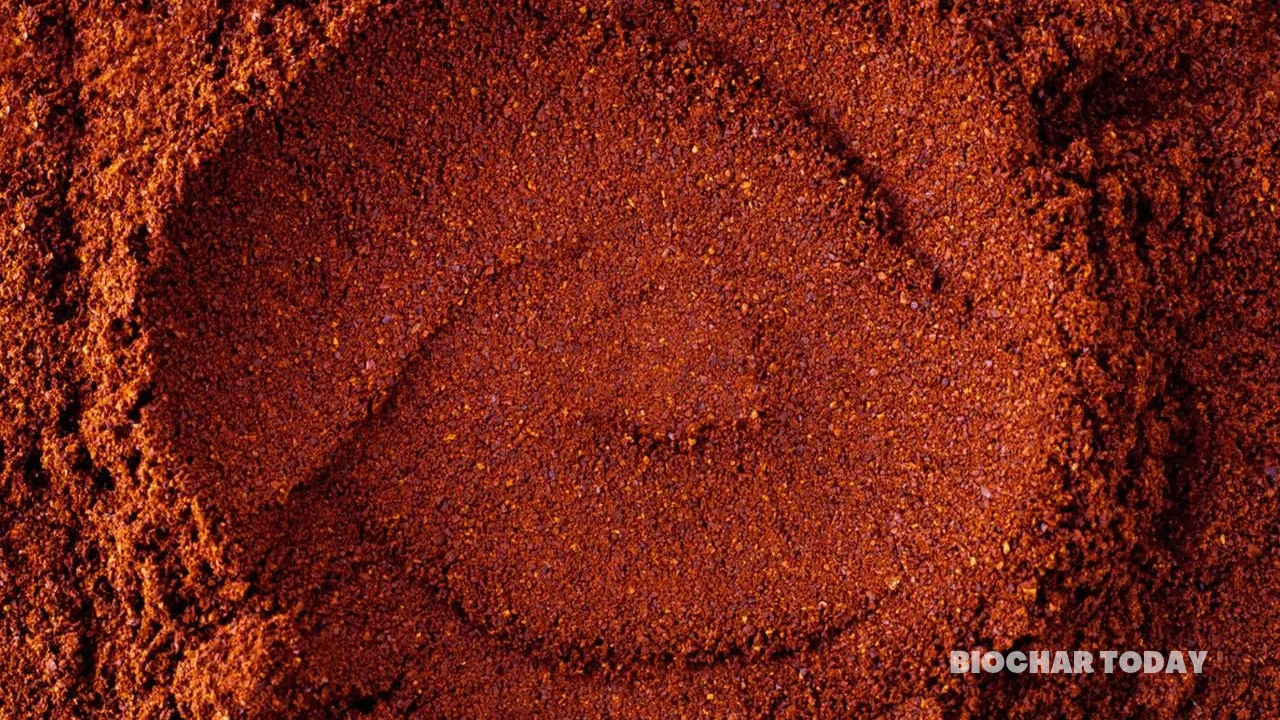
Recent investigations by Australian researchers have demonstrated that spent coffee grounds can be successfully transformed into biocharBiochar is a carbon-rich material created from biomass decomposition in low-oxygen conditions. It has important applications in environmental remediation, soil improvement, agriculture, carbon sequestration, energy storage, and sustainable materials, promoting efficiency and reducing waste in various contexts while addressing climate change challenges. More and integrated into concrete mixtures to enhance mechanical performance. Conducted by investigators at RMIT University in Melbourne, Australia, this research bridges organic waste management and sustainable construction by evaluating both controlled laboratory outcomes and subsequent field applications in civil infrastructure.
The initiative addresses two distinct industrial problems: massive organic waste accumulation and the heavy environmental toll of raw material extraction. Globally, approximately 10 billion kilograms of used coffee grounds enter landfills each year, where decomposing organic matter releases significant greenhouse gases such as methane. Concurrently, the construction sector faces intense ecological pressure due to the continuous extraction of natural sand from sensitive riverbeds and riverbanks. However, direct incorporation of raw coffee waste into structural concrete is chemically prohibited because organic compounds disrupt cement hydration, thereby severely reducing the material’s structural integrity.
To overcome these chemical incompatibilities, researchers at RMIT University utilized pyrolysisPyrolysis is a thermochemical process that converts waste biomass into bio-char, bio-oil, and pyro-gas. It offers significant advantages in waste valorization, turning low-value materials into economically valuable resources. Its versatility allows for tailored products based on operational conditions, presenting itself as a cost-effective and efficient More to process spent coffee grounds into a stable carbon-rich material. The procedure involved heating the waste material to 350°C in an oxygen-deprived environment to generate a porous structure capable of supporting water retention and hydration development. Laboratory trials determined that replacing 15% of the aggregate sand volume with this specific biochar formulation effectively mitigated hydration interference while successfully integrating into the cement matrix.
Under controlled laboratory testing, the optimized concrete formulations achieved a 29.3% improvement in compressive strength compared to conventional control samples. When translated into real-world infrastructure projects, such as pedestrian pathways in Australia, the material proved operationally feasible, though industrial-scale processing limitations resulted in strength metrics comparable to standard concrete rather than laboratory peaks. Subsequent field studies evaluated engineering properties including flexural strength and shrinkage, confirming feasibility while highlighting supply chain and production capacity hurdles that require further investigation into long-term durability and freeze-thaw resistance.

Leave a Reply