
Key Takeaways
- Turning agricultural waste fruit tree branches into a specialized filtering material helps clean polluted water while recycling farm leftovers.
- Combining two different metals onto the carbon surface creates a positive electrical charge that naturally pulls in harmful dissolved phosphorus.
- Laboratory testing shows the upgraded material removes up to ninety-five percent of dissolved phosphate pollutants under optimal conditions.
- The improved filtering carbon works rapidly and effectively across varying water acidity levels, making it practical for real-world environmental cleanup.
- Optimizing operating factors such as material amount and water temperature ensures maximum pollutant removal without wasting treatment resources.
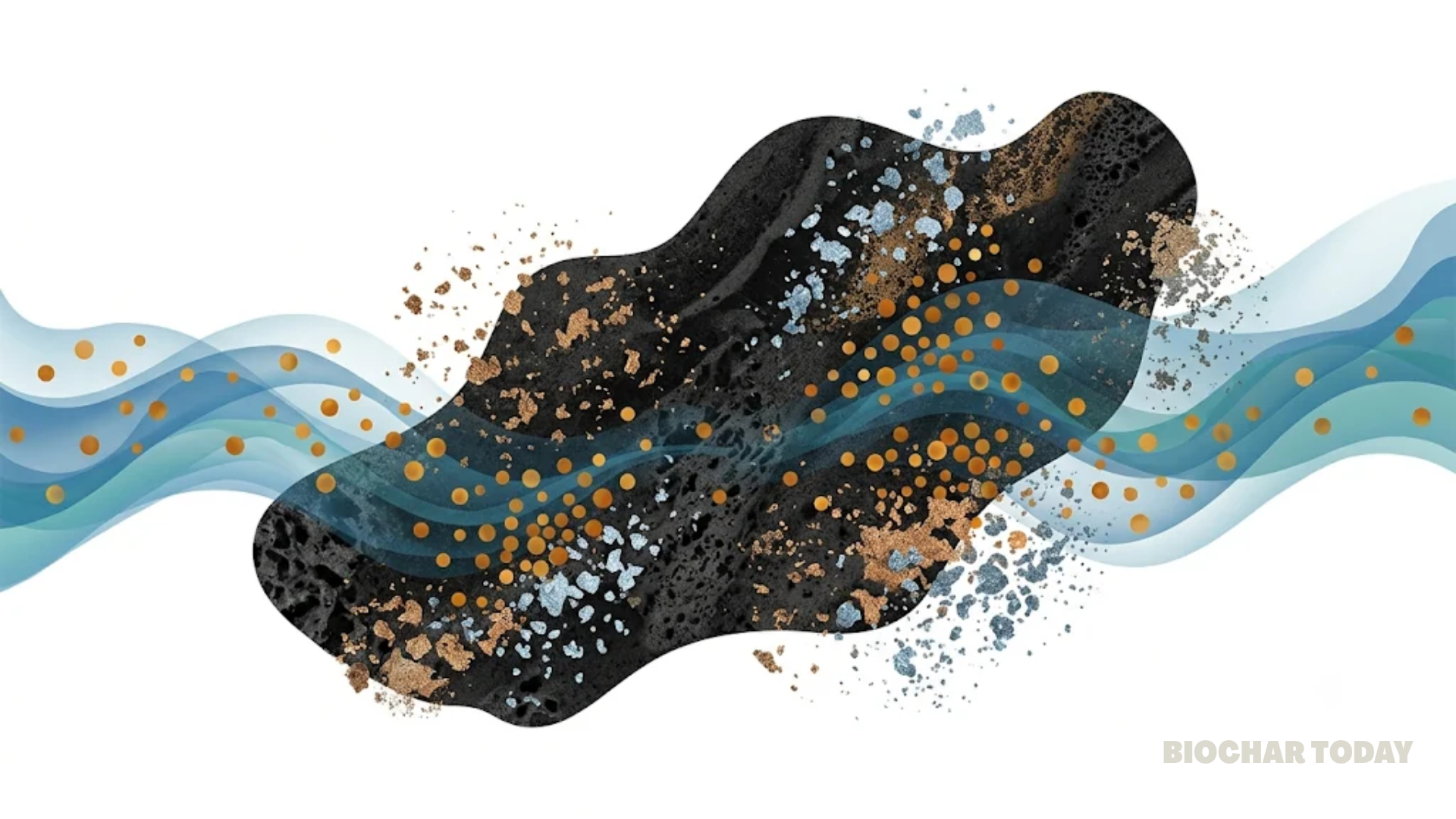
In a recent study published in Scientific Reports, researchers Habib Ramezanzadeh, Mansour Mirzaei Varoei, and Elham Sirjani explored an innovative and sustainable solution for tackling harmful nutrient pollution in global aquatic ecosystems. Excess phosphorus runoff originating from nonpoint agricultural activities and untreated industrial discharges frequently triggers severe water quality deterioration, leading to widespread eutrophication, toxic algal blooms, and devastating oxygen depletion in freshwater lakes and rivers. To combat this persistent environmental threat, environmental engineers have increasingly turned toward cost-effective adsorption technologies utilizing carbonized biomassBiomass is a complex biological organic or non-organic solid product derived from living or recently living organism and available naturally. Various types of wastes such as animal manure, waste paper, sludge and many industrial wastes are also treated as biomass because like natural biomass these More materials, commonly referred to as biocharBiochar is a carbon-rich material created from biomass decomposition in low-oxygen conditions. It has important applications in environmental remediation, soil improvement, agriculture, carbon sequestration, energy storage, and sustainable materials, promoting efficiency and reducing waste in various contexts while addressing climate change challenges. More. However, natural pristine biochar typically possesses a predominantly negative surface charge across neutral pHpH is a measure of how acidic or alkaline a substance is. A pH of 7 is neutral, while lower pH values indicate acidity and higher values indicate alkalinity. Biochars are normally alkaline and can influence soil pH, often increasing it, which can be beneficial More ranges, which severely restricts its natural affinity and electrostatic capability to attract and capture negatively charged phosphate ions dissolved in wastewater streams.
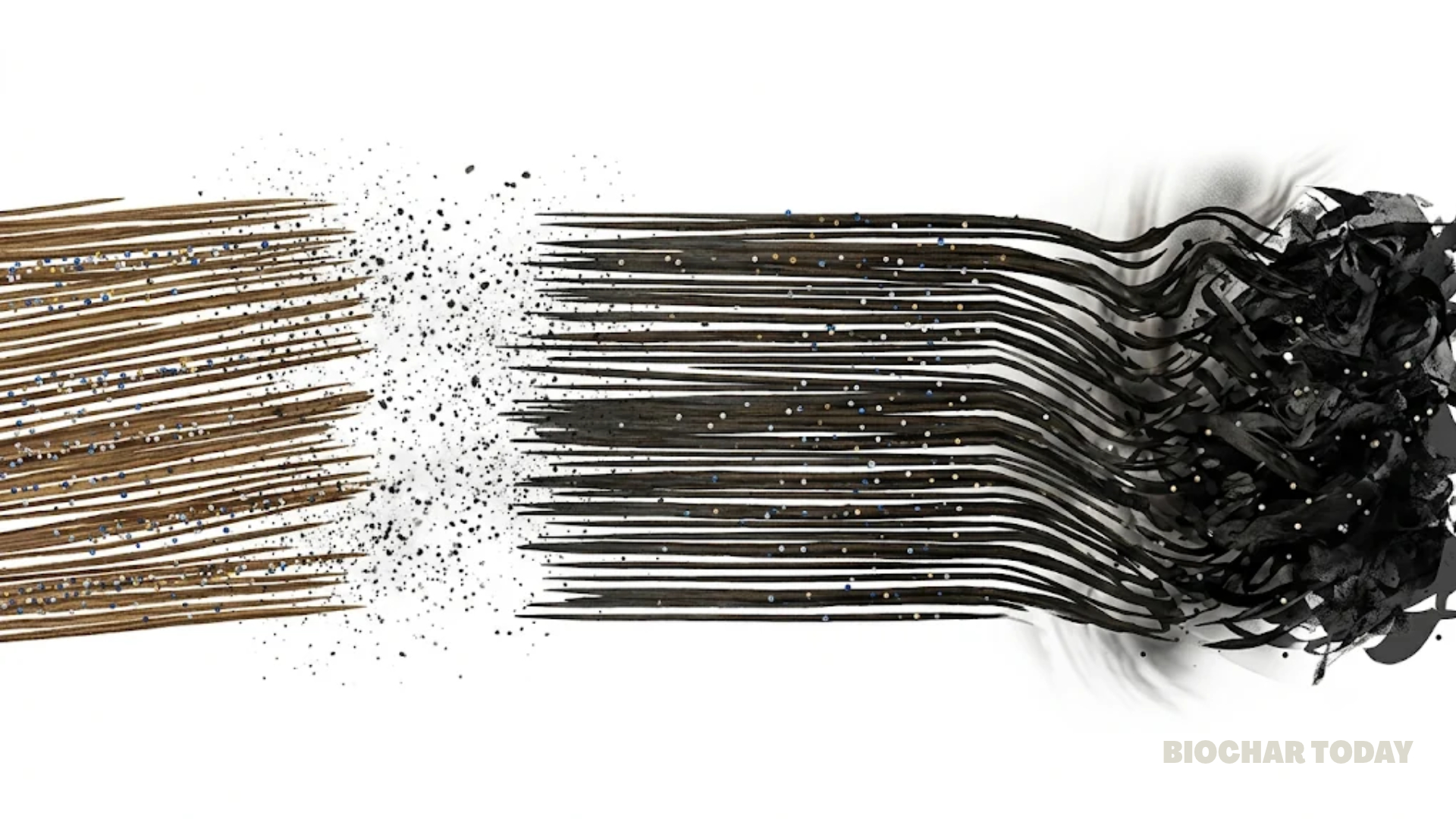
To overcome this chemical limitation, the research team developed an advanced engineered adsorbent by taking woody waste generated during the annual orchard maintenance of peach trees and co-impregnating it with a balanced mixture of magnesium and zinc metal ions. Peach tree pruning residues represent an abundant, renewable agricultural byproduct in major fruit-producing regions, making this valorization strategy exceptionally sustainable and perfectly aligned with circular economy principles. By subjecting these woody residues to controlled high-temperature pyrolysisPyrolysis is a thermochemical process that converts waste biomass into bio-char, bio-oil, and pyro-gas. It offers significant advantages in waste valorization, turning low-value materials into economically valuable resources. Its versatility allows for tailored products based on operational conditions, presenting itself as a cost-effective and efficient More under an inert argon atmosphere, the team produced a robust, highly aromatic carbonized framework rich in initial structural stability. Subsequent chemical treatment with combined magnesium and zinc precursor solutions successfully anchored both metal species onto the porous carbon surface, creating a unique dual-metal composite designed to synergistically maximize chemical binding affinity and pollutant removal efficacy.
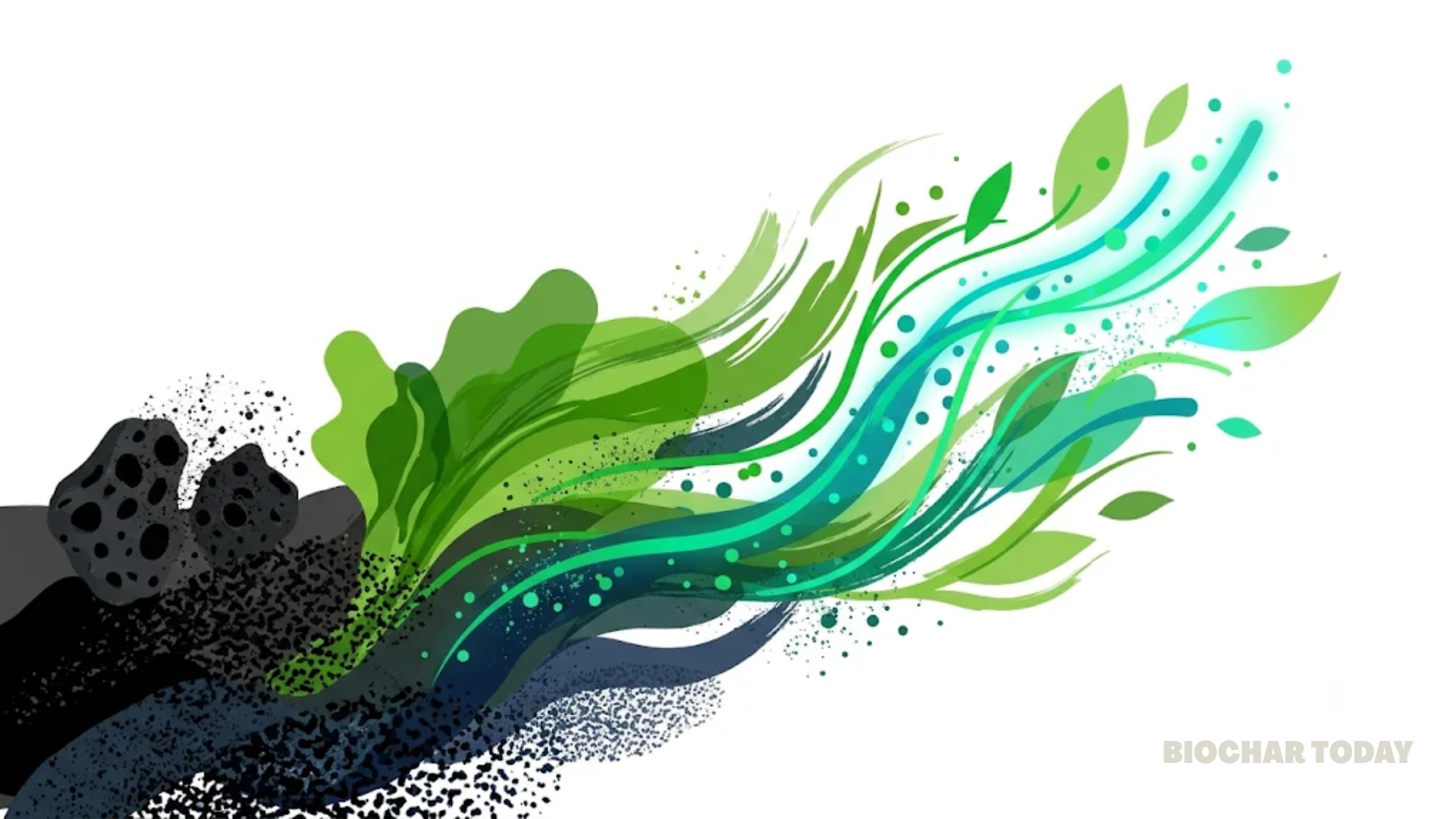
Comprehensive surface characterization analyses revealed that this dual-metal co-modification strategy fundamentally transformed the physical and chemical properties of the original carbon material. Although metal impregnation moderately reduced internal pore volume and specific surface area due to partial pore blockage by metal oxide particles, it markedly enhanced external surface accessibility and generated a much more positive electrical surface potential across a wide range of environmental acidity levels. Infrared spectroscopy confirmed that the impregnated magnesium and zinc cations coordinated strongly with surface oxygen groups, successfully converting carboxyl and hydroxyl groups into stable metal-coordinated complexes. These structural and chemical modifications enabled the co-modified biochar to achieve an extraordinary maximum Langmuir adsorption capacity of 277.3 milligrams per gram, drastically outperforming unmodified biochar and conventional single-metal alternatives by nearly twentyfold.
Batch adsorption tests, kinetic evaluations, and isotherm modeling demonstrated that pollutant uptake occurs rapidly and conforms exceptionally well to monolayer adsorption dynamics alongside active chemical interaction pathways. Furthermore, employing a sophisticated multivariate experimental design allowed the investigators to systematically evaluate how key operational factors, including solution pH, adsorbent dosage, and water temperature, collectively influence phosphate removal efficiency. Statistical response surface analysis indicated that adsorbent dosage exerted the single most powerful influence on overall performance by providing abundant active binding sites, while warmer water temperatures consistently improved removal rates by enhancing ion mobility and reaction kinetics. Under optimal operating conditions within the tested experimental domain, the dual-metal modified biochar successfully removed up to ninety-five percent of dissolved phosphate pollutants from aqueous solution.
Ultimately, this comprehensive research highlights the immense practical potential of transforming local agricultural pruning waste into high-performance functional materials dedicated to advanced environmental remediation. By successfully combining dual-metal surface co-modification with rigorous multivariate process optimization, the study provides a robust scientific foundation for developing scalable, affordable wastewater treatment technologies. While future field applications will benefit from testing these engineered sorbents against complex competitive ion matrices in real industrial and municipal effluents, this work marks a significant milestone toward mitigating eutrophication risks, promoting water reuse, and fostering sustainable resource management across agricultural and industrial sectors.
Source: Ramezanzadeh, H., Varoei, M. M., & Sirjani, E. (2026). Mg/Zn co-modified peach pruning biochar for phosphate removal: surface charge, adsorption behavior and Doehlert response-surface analysis. Scientific Reports, Article in press.

Leave a Reply