

Lyu, H., Zhong, H., Li, Z. et al. S-ZVI@biocharBiochar is a carbon-rich material created from biomass decomposition in low-oxygen conditions. It has important applications in environmental remediation, soil improvement, agriculture, carbon sequestration, energy storage, and sustainable materials, promoting efficiency and reducing waste in various contexts while addressing climate change challenges. More constructs a directed electron transfer channel between dechlorinating bacteria, Shewanella oneidensis MR-1 and trichloroethylene. npj Clean Water7, 81 (2024). https://doi.org/10.1038/s41545-024-00376-9
Trichloroethylene (TCE), a harmful industrial solvent, poses significant environmental risks, particularly in groundwater. Traditional methods for TCE degradation often face limitations in electron transfer efficiency and long-term effectiveness. Recent research has introduced a novel approach using a hybrid material, S-ZVI@biochar, which combines sulfurized zero-valent iron (S-ZVI) with biochar. This composite material enhances the electron transfer process, crucial for the effective degradation of TCE.
The study focuses on the performance of S-ZVI@biochar in conjunction with dechlorinating bacteria, such as Shewanella oneidensis MR-1 and other microorganisms. The results indicate that the combined system of S-ZVI@biochar and bacteria significantly improves TCE degradation efficiency. Over 30 days, the system achieved a TCE removal rate of 96.5%, outperforming other methods by up to 3.7 times.
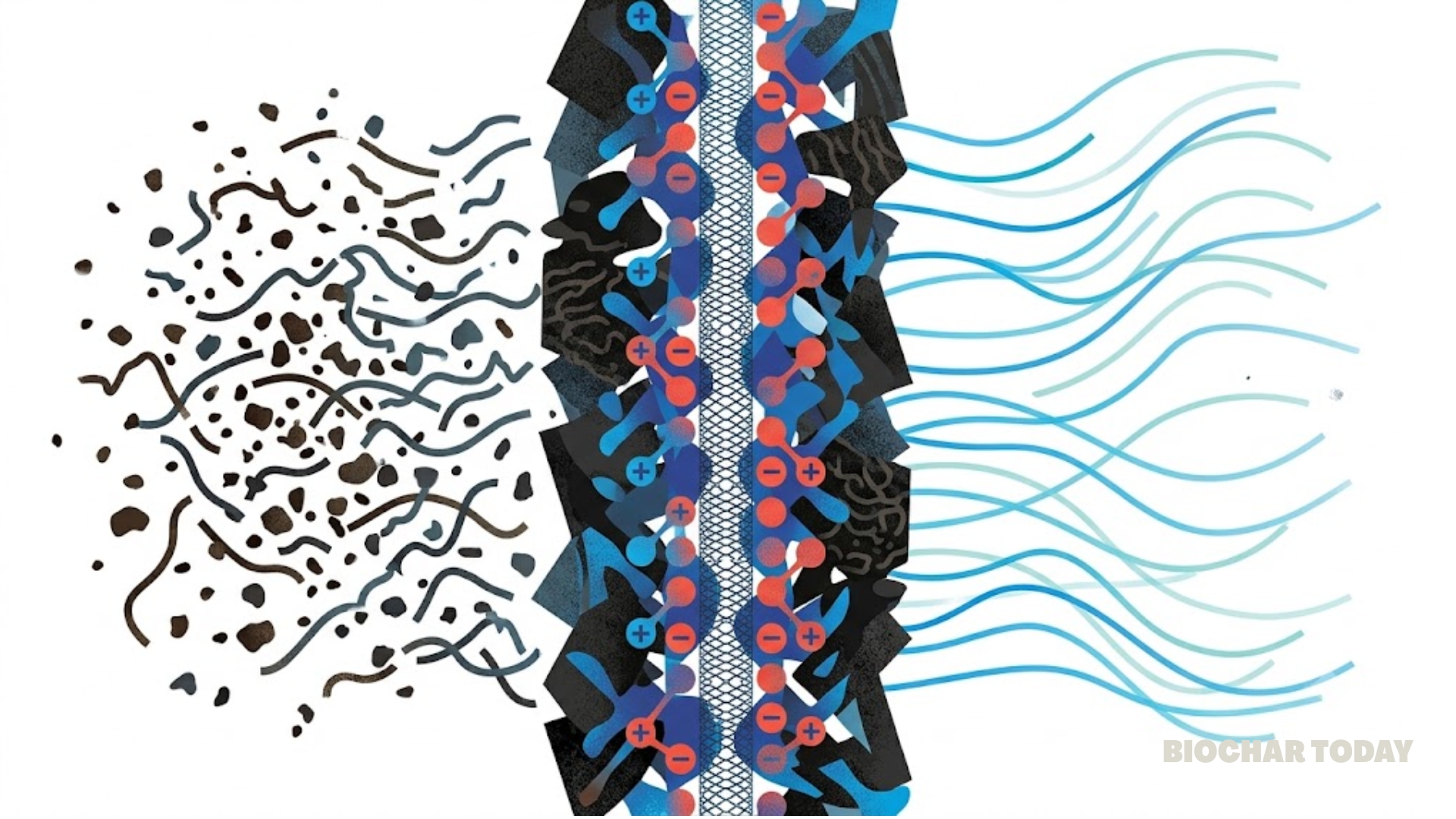
The success of this approach lies in the biochar’s role as an electron shuttle, facilitating enhanced electron transfer between the iron and the microorganisms. This synergy not only boosts TCE degradation but also mitigates issues like iron agglomeration and passivation, common in traditional zero-valent iron applications.
This study suggests that S-ZVI@biochar, coupled with microbial action, offers a promising solution for long-term in-situ remediation of TCE-contaminated groundwater. By optimizing electron transfer and ensuring sustained microbial activity, this method could become a key tool in environmental clean-up efforts.




Leave a Reply