
Deng, S., Lu, X., Lei, K. et al. Effects of phosphorus and manganese modified apple pomace biocharBiochar is a carbon-rich material created from biomass decomposition in low-oxygen conditions. It has important applications in environmental remediation, soil improvement, agriculture, carbon sequestration, energy storage, and sustainable materials, promoting efficiency and reducing waste in various contexts while addressing climate change challenges. More on soil characteristics and its immobilization effect on Cd in polluted soil. J Soils Sediments (2024). https://doi.org/10.1007/s11368-024-03842-6
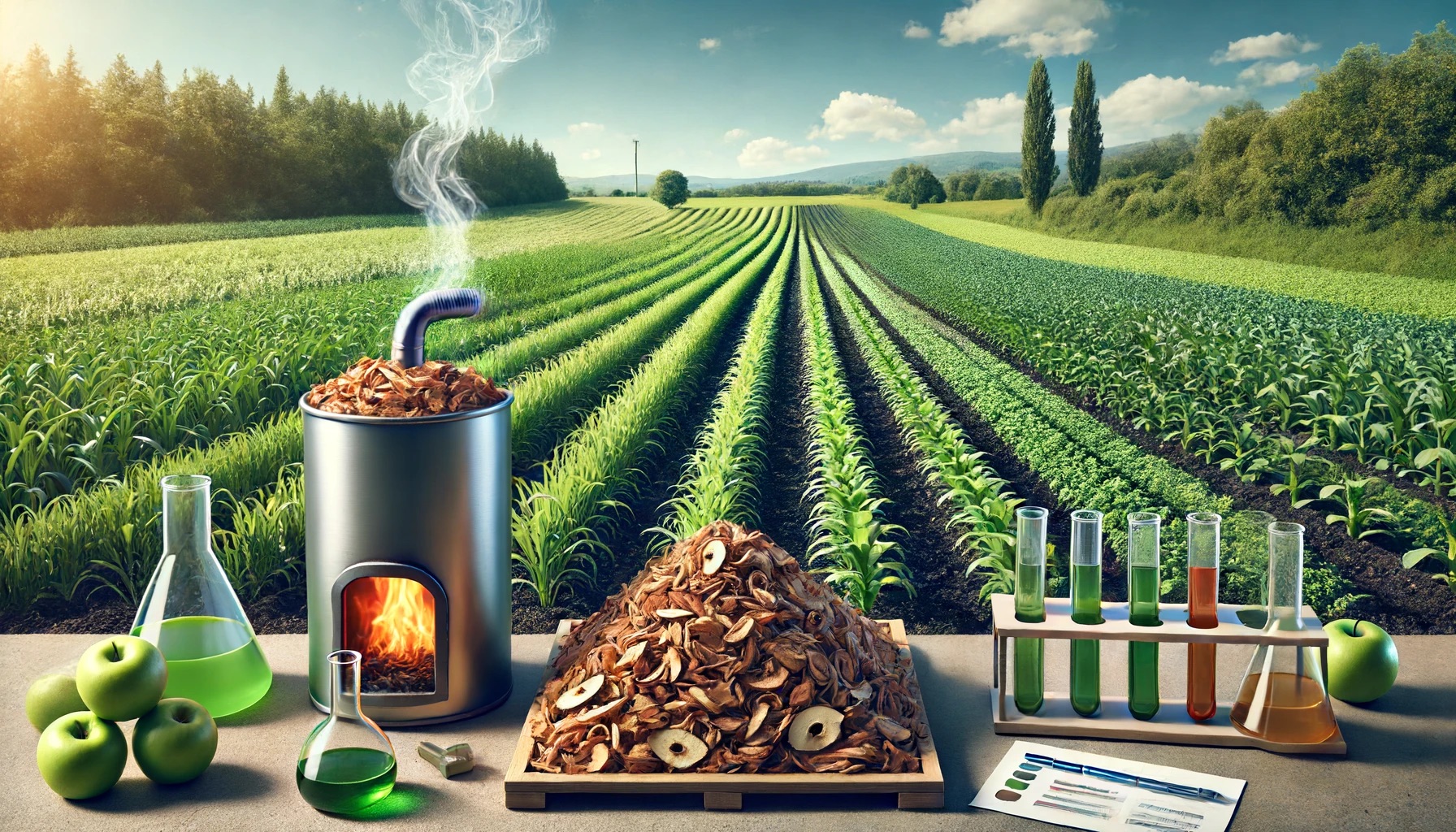
Biochar precursor materials and their modification methods are crucial in addressing soil cadmium (Cd) pollution. This study focused on apple pomace biochar (ABC), derived from apple pomace through pyrolysisPyrolysis is a thermochemical process that converts waste biomass into bio-char, bio-oil, and pyro-gas. It offers significant advantages in waste valorization, turning low-value materials into economically valuable resources. Its versatility allows for tailored products based on operational conditions, presenting itself as a cost-effective and efficient More at 500°C, and modified it using phosphoric acid impregnation (P-ABC), MnO2 loading (Mn-ABC), and MnO2 loading after phosphoric acid impregnation (Mn-P-ABC). The properties and effects of these biochars on soil characteristics and Cd immobilization were analyzed.
The biochars and their modified versions were characterized using infrared spectroscopy, X-ray diffraction, scanning electron microscopy, and Raman spectroscopy. The impact of these materials, in varying additions (4%, 7%, 10%, and 13%), on soil properties and Cd immobilization was studied.
All biochar variants (ABC, P-ABC, Mn-ABC, and Mn-P-ABC) were found to be porous and rich in functional groups. They enhanced soil organic matter, cation exchange capacity, and pHpH is a measure of how acidic or alkaline a substance is. A pH of 7 is neutral, while lower pH values indicate acidity and higher values indicate alkalinity. Biochars are normally alkaline and can influence soil pH, often increasing it, which can be beneficial More, thereby improving soil properties. Notably, the application of these biochars significantly reduced extractable Cd in the soil compared to the control. The 13% Mn-P-ABC treatment reduced extractable Cd by 43.84%. Cd speciation analysis showed that biochar application decreased acid-soluble Cd and increased residual Cd in the soil.
The 13% Mn-P-ABC treatment demonstrated the most effective Cd immobilization, with a 35.57% reduction in acid-soluble Cd and a 30.18% increase in residual Cd, highlighting its potential for mitigating soil Cd pollution.




Leave a Reply