

Han, et al (2024) Comparative Remediation of Arsenic and Antimony Co-Contaminated Soil by Iron- and Manganese-Modified Activated CarbonActivated carbon is a form of carbon that has been processed to create a vast network of tiny pores, increasing its surface area significantly. This extensive surface area makes activated carbon exceptionally effective at trapping and holding impurities, like a molecular sponge. It is commonly More and BiocharBiochar is a carbon-rich material created from biomass decomposition in low-oxygen conditions. It has important applications in environmental remediation, soil improvement, agriculture, carbon sequestration, energy storage, and sustainable materials, promoting efficiency and reducing waste in various contexts while addressing climate change challenges. More. Toxics. https://doi.org/10.3390/toxics12100740
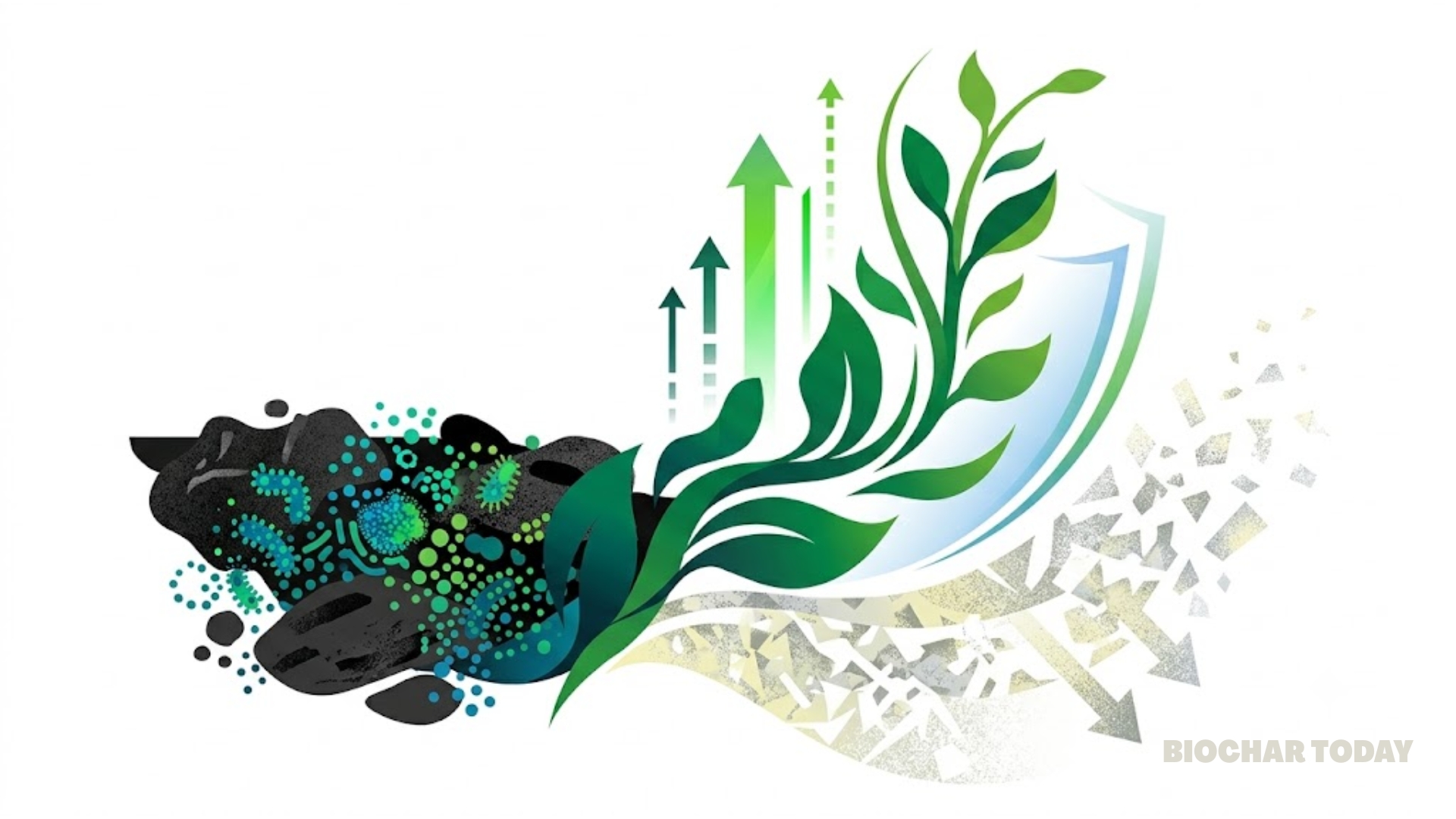
Industrial activities have led to soil contamination by toxic elements like arsenic (As) and antimony (Sb), posing risks to human health and the environment. A recent study examined the effectiveness of iron (Fe) and manganese (Mn)-modified activated carbon (AC) and biochar (BC) in remediating soils co-contaminated with As and Sb. The research focused on how these materials affected soil pHpH is a measure of how acidic or alkaline a substance is. A pH of 7 is neutral, while lower pH values indicate acidity and higher values indicate alkalinity. Biochars are normally alkaline and can influence soil pH, often increasing it, which can be beneficial More, organic matter, and enzyme activities over time.
Results indicated that Fe/Mn-modified AC and BC significantly reduced the mobility of As and Sb, with a 3% dosage of FeMnBC showing the best overall stabilization effects. Mn aided the oxidation of As(III) to the more stable As(V), while Fe produced secondary iron minerals, both contributing to the immobilization of As and Sb in the soil.
The study also found that AC and BC increased soil pH, with Mn-modified AC having the strongest effect, thanks to the production of hydroxide ions from manganese oxidation. Additionally, AC outperformed BC in enhancing soil organic matter due to its higher adsorption capacity. Enzyme activity, particularly urease and catalase, increased with the use of Fe/Mn-modified carbon materials, further improving soil health.
This research suggests that FeMn-modified biochar, especially at 3%, is an efficient solution for stabilizing arsenic and antimony in contaminated soils, providing a potential method for sustainable soil remediation. However, further long-term studies are needed to assess its stability and safety over time.



Leave a Reply