
Naeem, et al (2024) Improving maize yield and drought tolerance in field conditions through activated biocharBiochar is a carbon-rich material created from biomass decomposition in low-oxygen conditions. It has important applications in environmental remediation, soil improvement, agriculture, carbon sequestration, energy storage, and sustainable materials, promoting efficiency and reducing waste in various contexts while addressing climate change challenges. More application. Scientific Reports. https://doi.org/10.1038/s41598-024-76082-w
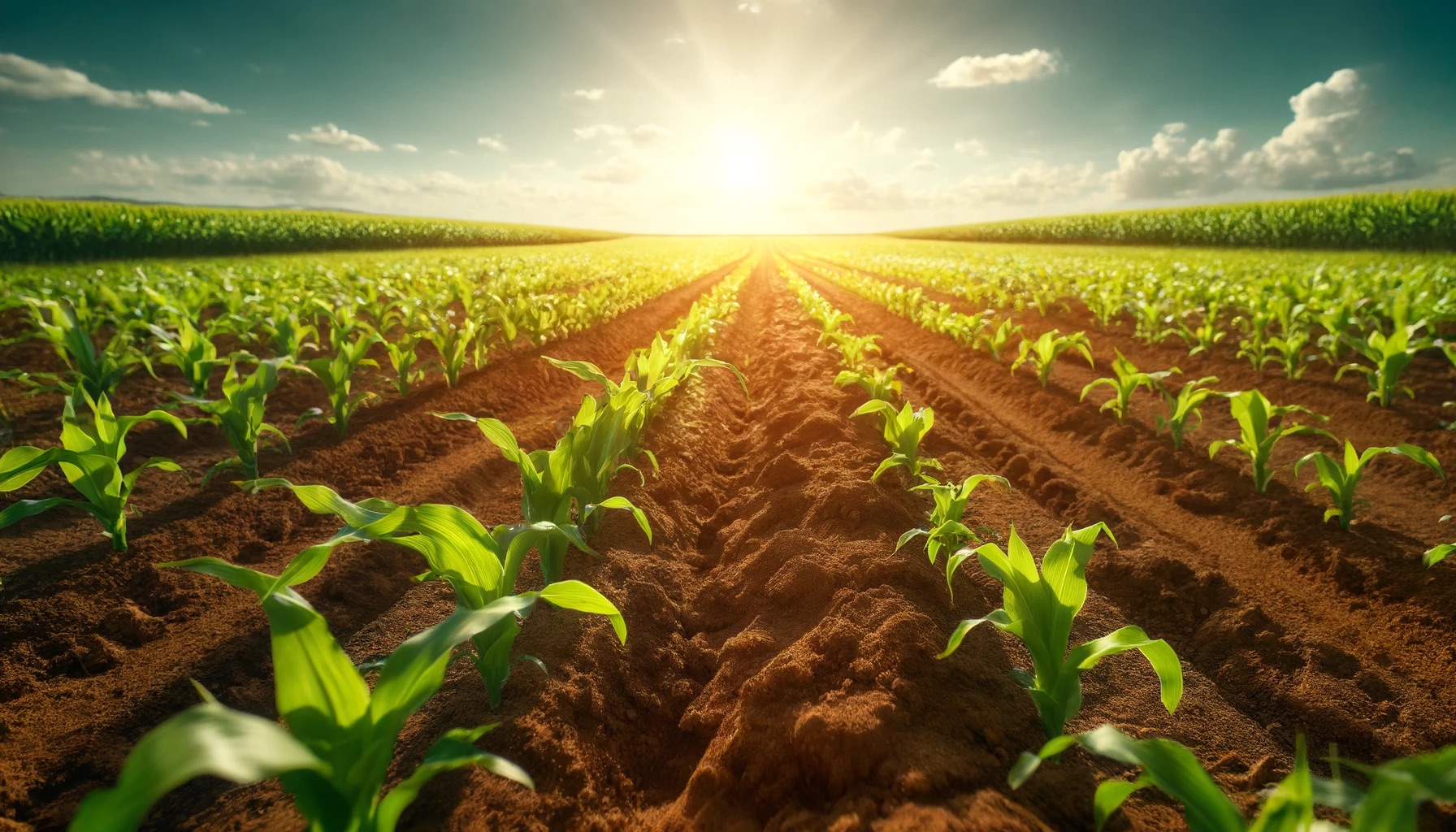
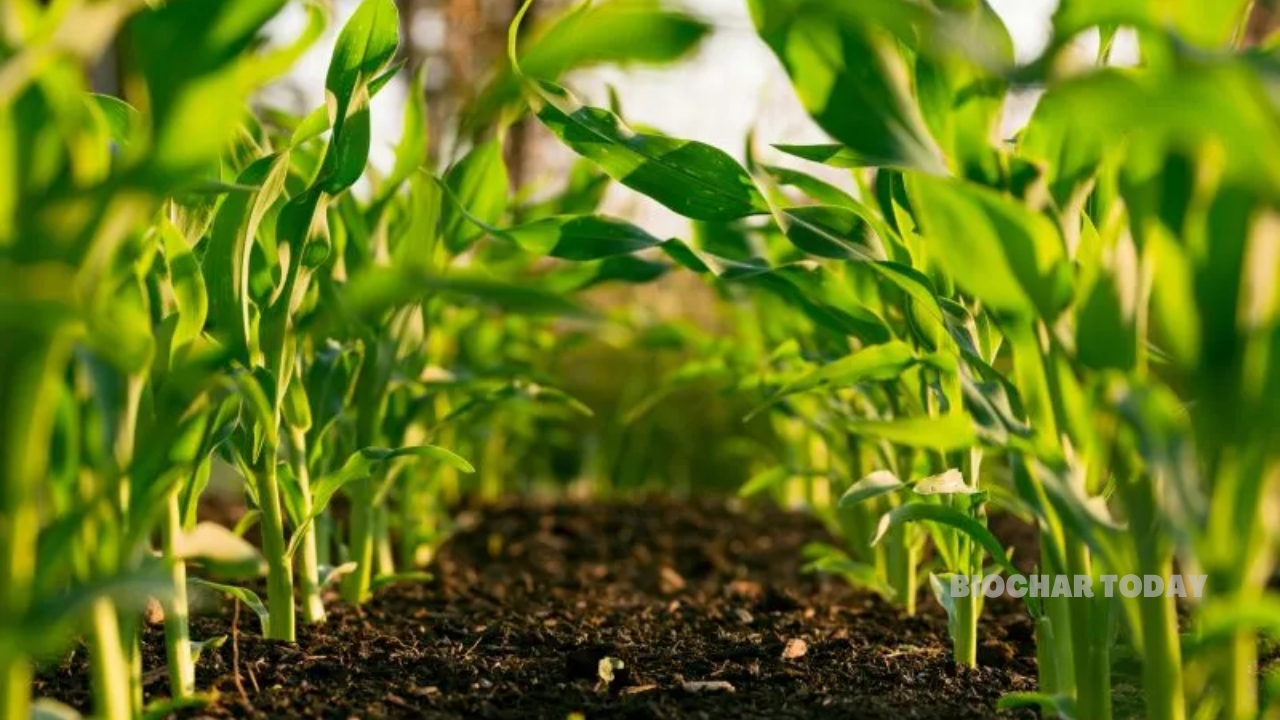
As global water shortages and climate change threaten crop yields, sustainable agricultural practices are becoming essential. A recent study investigated the potential of activated biochar to enhance maize yield and drought tolerance in field conditions. Conducted in Gujrat, Pakistan, the study focused on improving soil quality and crop performance under varying irrigation levels using three maize hybrids.
The study applied activated biochar at rates of 5 and 10 tons per hectare to compare its effectiveness with non-amended soil under different water stress levels (ranging from 50% to 100% of evapotranspiration). Results demonstrated significant improvements in soil properties, including increased organic matter, nutrient retention, and water-holding capacity. Biochar-treated plants exhibited better biochemical and physiological performance, including a 1.6-fold improvement in membrane stability and enhanced antioxidant enzyme activity, compared to the control group.
At the optimal biochar application rate of 5 tons per hectare, maize plants showed a 26% increase in grain yield and improved water-use efficiency by 33%. Interestingly, while both biochar application rates showed benefits, the 5 tons/ha rate outperformed the 10 tons/ha treatment, suggesting a balance between benefits and possible nutrient saturation at higher levels.
This research highlights biochar’s potential as a key amendment for increasing crop resilience in water-limited conditions, making it a promising tool for sustainable agriculture. Further research into its long-term effects and applications across different regions is recommended.



Leave a Reply