
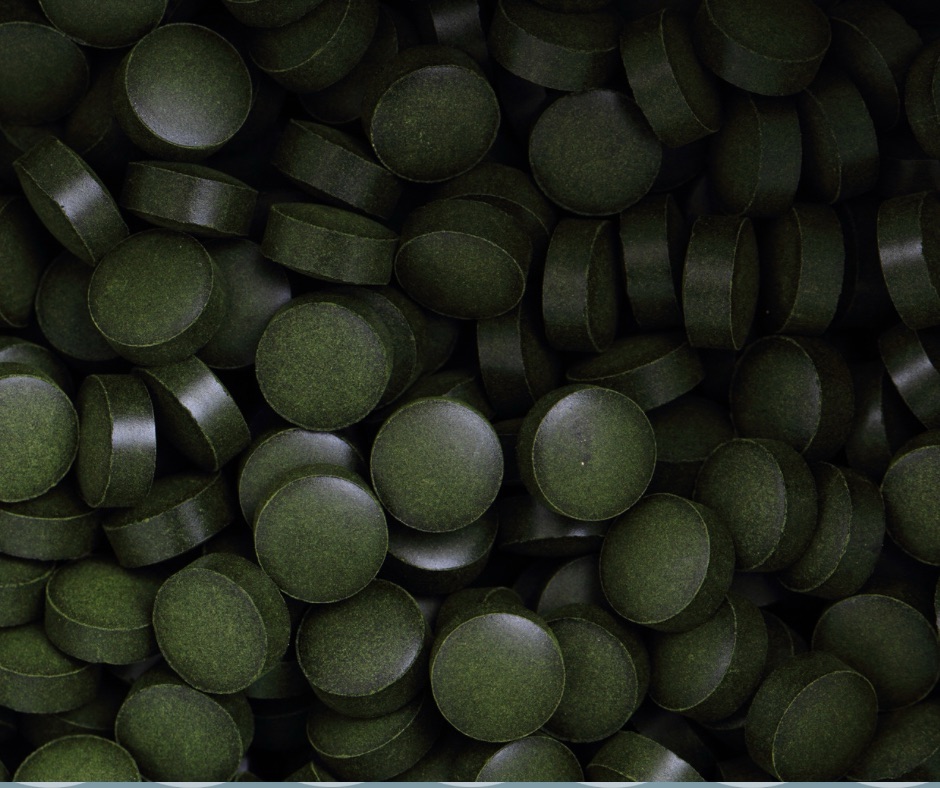

In recent times, biochar has emerged as a promising tool in the restoration of aquatic environments, owing to its distinctive physical and chemical attributes. A recent study delved into the complexities of biochar, focusing on its impact on Chlorella vulgaris and its interaction with various nanoparticles.
The research scrutinized corn stover biochar, produced at different temperatures, and its toxicity to Chlorella vulgaris. Notably, the study explored the combined effects of biochar with polystyrene nanoplastics (PS NPs, PS-COOH NPs, and PS-NH2 NPs) or silver nanoparticles embedded in sodium citrate (CIT-Ag NPs). The findings revealed that inorganic phosphorus played a role in promoting algal growth, while small organic molecules influenced biochar’s biotoxicity.
Biochar exerted its influence on algal cell growth through mechanisms such as disrupting cell membrane integrity, inducing oxidative stress, and impacting chlorophyll a synthesis. Intriguingly, the study showcased that biochar could mitigate the toxicity of nanoplastics and silver nanoparticles to C. vulgaris. This mitigation was achieved by enhancing algal cell membrane integrity, reducing reactive oxygen species (ROS) production, and increasing chlorophyll a content.
In summary, the study outlined two key conclusions. Firstly, the strong binding between biochar and nanoparticles results from electrostatic interactions and mutual adsorption, leading to a reduction in the number of dispersed nanoparticles. Secondly, there is competitive adsorption of both biochar and nanoparticles on C. vulgaris, with biochar exerting dominance.


Leave a Reply