

Alghamdi, et al (2024) Spent coffee waste‐derived biocharBiochar is a carbon-rich material created from biomass decomposition in low-oxygen conditions. It has important applications in environmental remediation, soil improvement, agriculture, carbon sequestration, energy storage, and sustainable materials, promoting efficiency and reducing waste in various contexts while addressing climate change challenges. More improves physical properties, water retention, and maize (Zea mays L.) growth in sandy soil. Scientific Reports. https://doi.org/10.1038/s41598-024-70504-5
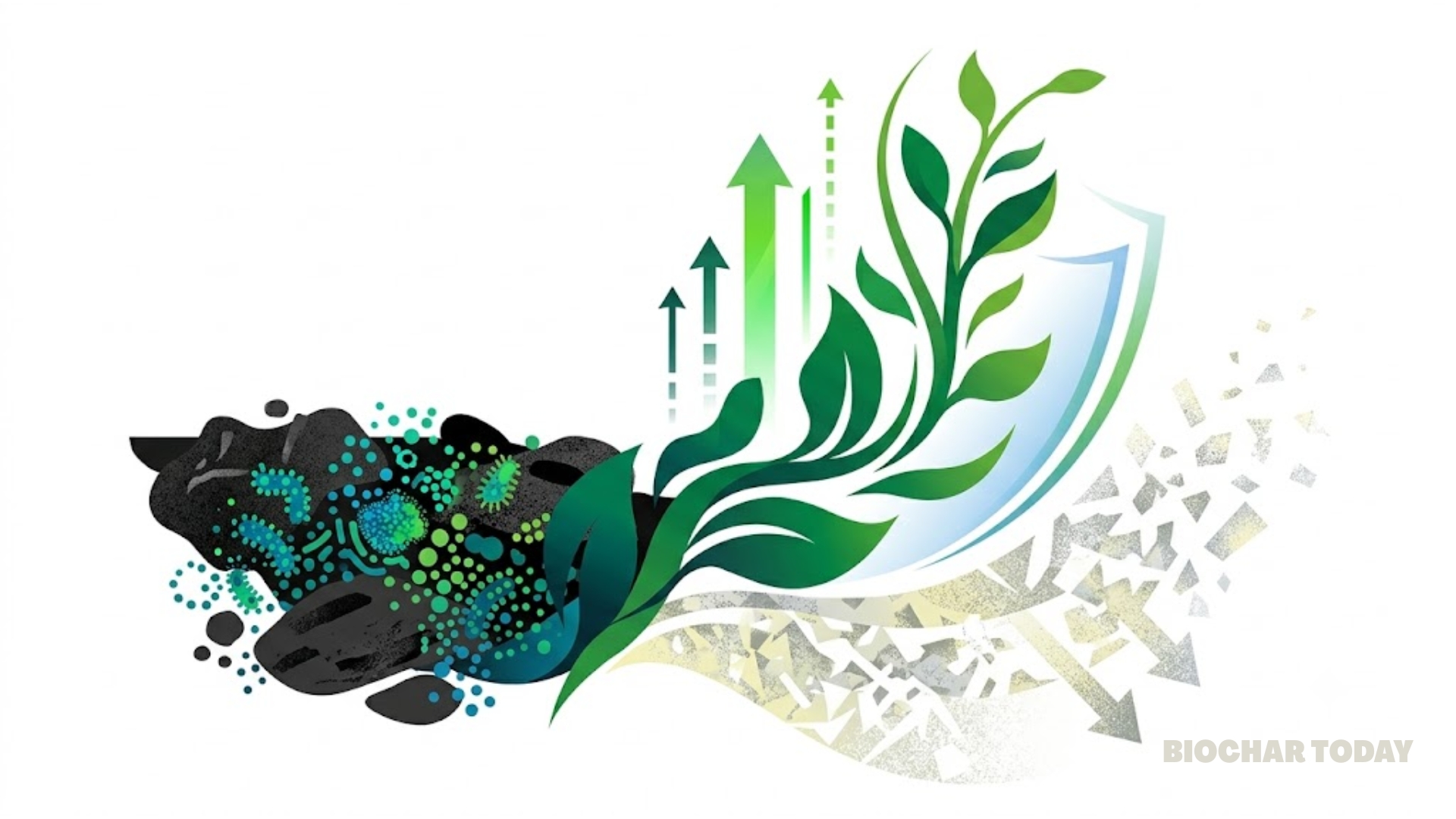
A recent study explores the potential of biochar made from spent Arabica and Colombian coffee waste to improve sandy soil properties and maize growth. Sandy soils, especially in arid regions, often suffer from poor water retention and low fertility, limiting agricultural productivity. Researchers sought to address this by converting coffee waste into biochar through pyrolysisPyrolysis is a thermochemical process that converts waste biomass into bio-char, bio-oil, and pyro-gas. It offers significant advantages in waste valorization, turning low-value materials into economically valuable resources. Its versatility allows for tailored products based on operational conditions, presenting itself as a cost-effective and efficient More and applying it to loamy sand soils at different concentrations.
The study found that applying 5% biochar (from both coffee types) significantly improved soil properties. Water evaporation decreased by 57%–66%, and water retention increased by 101%–130%. This reduction in evaporation and increased water retention could help conserve water in agriculture, a key concern in regions with sandy soil.
In terms of plant growth, maize plants showed significant improvements with biochar treatment. Root biomassBiomass is a complex biological organic or non-organic solid product derived from living or recently living organism and available naturally. Various types of wastes such as animal manure, waste paper, sludge and many industrial wastes are also treated as biomass because like natural biomass these More increased fivefold, and shoot biomass grew by 1.5 times compared to the untreated control. Maize plant height nearly doubled with the 5% biochar application. These enhancements demonstrate that coffee waste-derived biochar can be a sustainable and cost-effective soil amendmentA soil amendment is any material added to the soil to enhance its physical or chemical properties, improving its suitability for plant growth. Biochar is considered a soil amendment as it can improve soil structure, water retention, nutrient availability, and microbial activity. More.
The study suggests that biochar made from agricultural waste like coffee grounds can help overcome the limitations of sandy soils, improving water conservation and crop productivity. This approach holds promise for sustainable agriculture, particularly in dry, sandy regions.



Leave a Reply