

Wei, et al (2024) Influence of BiocharBiochar is a carbon-rich material created from biomass decomposition in low-oxygen conditions. It has important applications in environmental remediation, soil improvement, agriculture, carbon sequestration, energy storage, and sustainable materials, promoting efficiency and reducing waste in various contexts while addressing climate change challenges. More and Modified Polyglutamic Acid Co-Coated Urea on Crop Growth and Nitrogen Budget in Rice Fields. Agriculture. https://doi.org/10.3390/agriculture14122212
A recent study explored innovative methods to enhance nitrogen use efficiency in rice cultivation using biochar and polyglutamic acid (PGlu)-based coatings for urea fertilizers. Nitrogen losses from conventional fertilizers in rice systems are a major environmental concern, contributing to greenhouse gas emissions and water pollution.
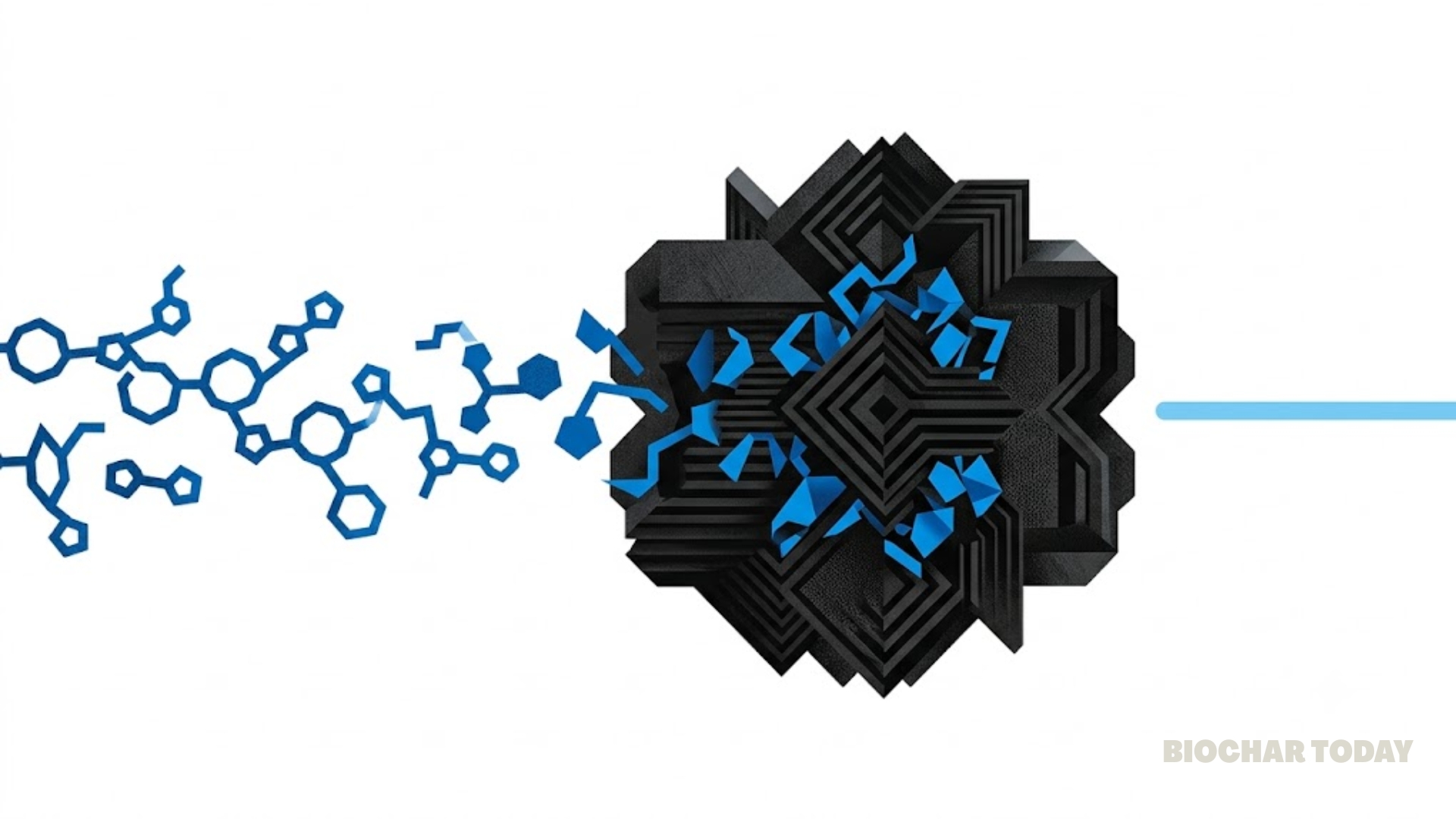
Researchers developed a double-layer coating for urea fertilizers combining PGlu, diatomite, and pullulan polysaccharide with biochar. This eco-friendly combination aimed to improve fertilizer efficiency by controlling nitrogen release. PGlu, a biodegradable polymer, provides water retention and nutrient release, while diatomite and pullulan strengthen the coating’s stability and slow-release properties. Biochar further enhances soil structure and nutrient retention.
Field tests showed these fertilizers significantly increased nitrogen retention in soil and reduced losses due to leachingLeaching is the process where nutrients are dissolved and carried away from the soil by water. This can lead to nutrient depletion and environmental pollution. Biochar can help reduce leaching by improving nutrient retention in the soil. More and volatilization by up to 30.4%. This improved nitrogen availability for rice plants, boosting grain yields by nearly 10% and nitrogen uptake by 17%.
The innovative coatings offer several advantages, including improved nitrogen use, reduced environmental pollution, and enhanced crop productivity. The biodegradable components provide additional nutrients, such as carbon, nitrogen, and silicon, further supporting plant growth.
These findings demonstrate the potential of biochar and PGlu-based fertilizers as sustainable alternatives to synthetic fertilizers, aligning with global efforts to reduce agricultural nitrogen losses while supporting food security. Future adoption of such solutions could significantly reduce environmental impacts and improve agricultural sustainability.



Leave a Reply