
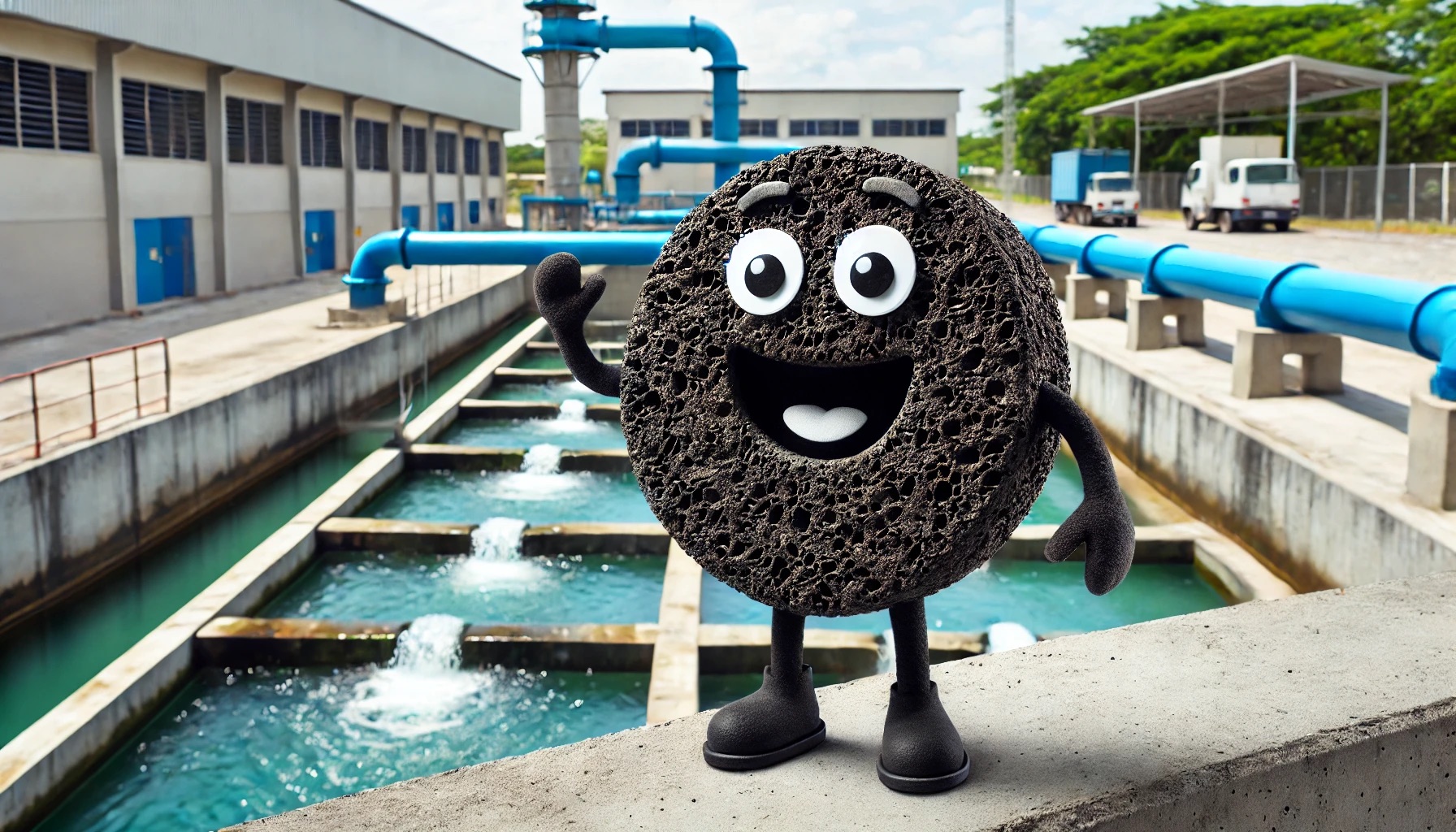

A recent systematic review, published in the Journal of Water Process Engineering (November 2024), investigates the use of biochar and activated carbon (AC) derived from biomass as adsorbents for removing antibiotics from pharmaceutical wastewater. Antibiotics present in wastewater pose a significant threat to both the environment and public health, as they can lead to the development of antibiotic-resistant bacteria and ecosystem disruption.
The review highlights the effectiveness of biochar and AC in adsorbing antibiotics due to their high surface area, porosityPorosity of biochar is a key factor in its effectiveness as a soil amendment and its ability to retain water and nutrients. Biochar’s porosity is influenced by feedstock type and pyrolysis temperature, and it plays a crucial role in microbial activity and overall soil health. Biochar More, and low cost. It analyzes different optimization methods for the adsorption process, including the One-Factor-At-A-Time (OFAT) method and the more comprehensive Design of Experiment (DoE) approach, which uses Response Surface Methodology (RSM) and Taguchi methods. DoE with RSM is favored for its precision and efficiency in enhancing adsorption processes.
Key factors influencing the adsorption mechanisms include the properties of the biochar or AC, the type of antibiotics, and environmental conditions. The economic feasibility of using these materials is also examined, revealing that they are more cost-effective than conventional wastewater treatment methods.
This review provides valuable insights into the potential of biochar and AC for sustainable wastewater treatment, offering a promising solution to the global issue of antibiotic contamination in water sources.



Leave a Reply