
Carbon removal marketplace Supercritical has finalized an exclusive distribution agreement with India-based carbon project developer Varaha to market distributed biocharBiochar is a carbon-rich material created from biomass decomposition in low-oxygen conditions. It has important applications in environmental remediation, soil improvement, agriculture, carbon sequestration, energy storage, and sustainable materials, promoting efficiency and reducing waste in various contexts while addressing climate change challenges. More credits. This commercial partnership establishes Supercritical as the sole route to market for Varaha’s newly certified decentralized inventory, securing an initial availability of 10,000 tonnes of carbon removal credits in 2026. The transaction introduces a formalized commercial asset class to corporate buyers seeking verified carbon dioxide removal. It also broadens Supercritical’s broader supply development strategy, which relies on exclusive long-term supply arrangements with institutional carbon project developers.
The primary market challenge addressed by this agreement is the structural fragmentation and variable verification quality of decentralized carbon removal operations. Prior to the introduction of this commercial tier, carbon credit purchasers faced a steep trade-off between centralized, industrial-scale facilities—which offer rigorous verification but highly constrained supply volumes—and small-scale, artisanal operations. Artisanal systems offer lower production costs and localized community co-benefits, but their open-pit production methodologies have historically lacked the enterprise-grade monitoring, reporting, and verification required by risk-averse corporate buyers. Consequently, project developers working within large agricultural biomassBiomass is a complex biological organic or non-organic solid product derived from living or recently living organism and available naturally. Various types of wastes such as animal manure, waste paper, sludge and many industrial wastes are also treated as biomass because like natural biomass these More areas have struggled to connect rural smallholder networks to institutional capital.
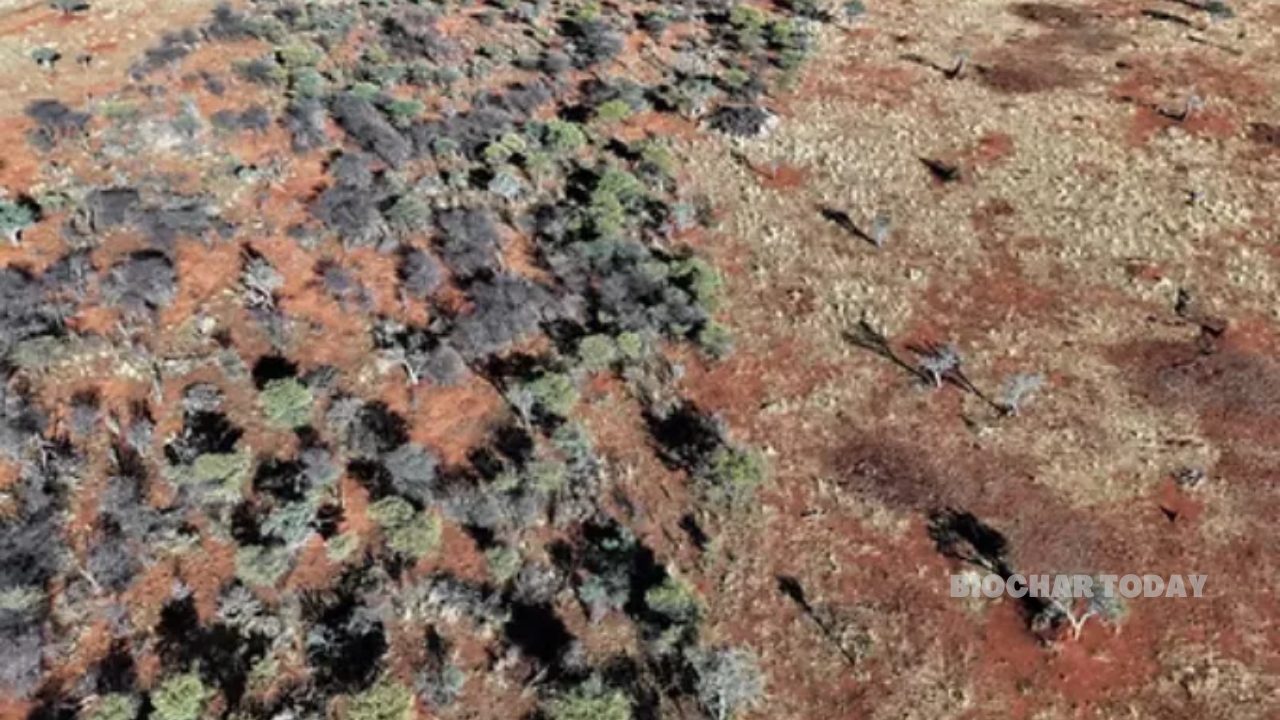
To resolve these verification and access constraints, the commercial framework utilizes decentralized infrastructure validated by independent digital protocols. The solution leverages Isometric’s Distributed Biochar Module v1.1, a certification framework that mandates enclosed kiln designs, standardized operating procedures, and continuous emissions monitoring driven by internet-of-things technology. Varaha applies this technical structure in India to process agricultural residues and Prosopis juliflora, an invasive plant species that causes extensive degradation to local farmland. By transitioning production from open pits to monitored kilns, the operation matches the scientific verification rigor of industrial facilities while operating within a highly distributed framework.
The immediate outcome of this exclusive partnership is the commercial activation of a verified tier that satisfies institutional vetting requirements. Varaha’s distributed inventory successfully passed Supercritical’s 118-point technical vetting protocol, an internal safety threshold that disqualifies 88 percent of competing global projects. This validation grants enterprise buyers, including existing buyers like Google and Microsoft, access to a predictable, highly traceable credit supply. Furthermore, the contractual framework guarantees direct revenue allocation to a network of over 200,000 participating smallholder farmers under strict Free, Prior, and Informed Consent protections, establishing an equitable financial bridge between global corporation portfolios and rural communities.


Leave a Reply