
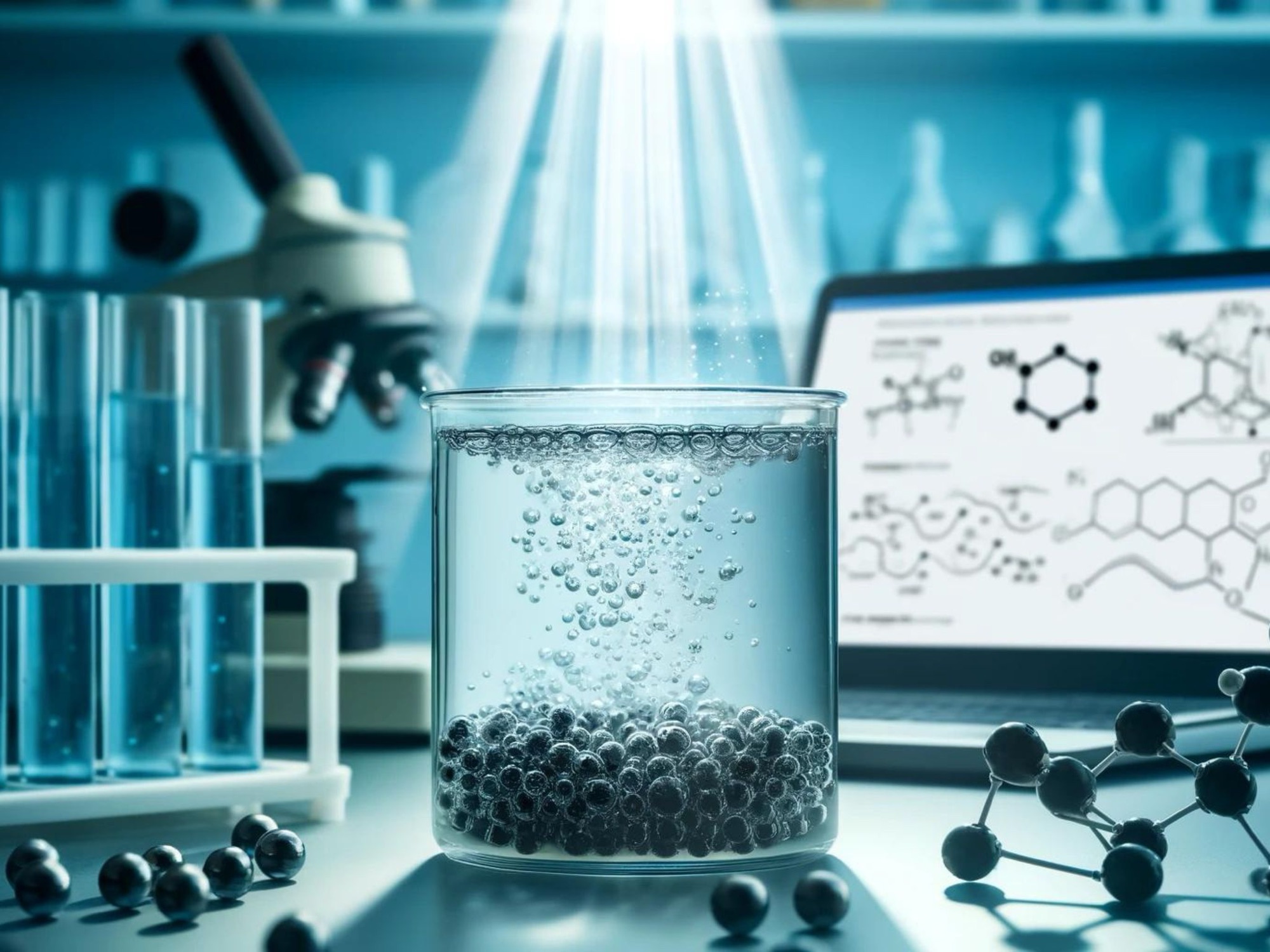

Photothermal-synergistic peroxymonosulfate activation promoting carbamazepine degradation by Porphyra-derived porous biocharBiochar is a carbon-rich material created from biomass decomposition in low-oxygen conditions. It has important applications in environmental remediation, soil improvement, agriculture, carbon sequestration, energy storage, and sustainable materials, promoting efficiency and reducing waste in various contexts while addressing climate change challenges. More composites: Performance, mechanism, transformation pathway and practical application. Chemical Engineering Journal. https://doi.org/10.1016/j.cej.2024.151263
Researchers have successfully synthesized an engineered biochar composite, ZnS/NBC, using one-step pyrolysisPyrolysis is a thermochemical process that converts waste biomass into bio-char, bio-oil, and pyro-gas. It offers significant advantages in waste valorization, turning low-value materials into economically valuable resources. Its versatility allows for tailored products based on operational conditions, presenting itself as a cost-effective and efficient More of Porphyra mixed with ZnCl2. This novel material has showcased significant potential in the degradation of carbamazepine (CBZ), a recalcitrant pharmaceutical pollutant, utilizing a photothermal-synergistic peroxymonosulfate (PMS) activation system. The study highlights the composite’s high specific surface area, graphitized structure, and strong photothermal conversion capabilities, which collectively contribute to its high degradation performance.
The ZnS/NBC10/PMS/light system, leveraging these properties, achieved nearly complete mineralization of CBZ, demonstrating effectiveness even in real water bodies under natural sunlight. This advancement is pivotal, given the increasing prevalence of CBZ in aquatic environments due to its adverse ecological and health impacts. Traditional treatments often fall short, either due to inefficiency or the generation of harmful byproducts.
Through methodical experiments, the researchers identified that singlet oxygen (1O2) plays a crucial role, with sulfate radicals (SO4-) and hydroxyl radicals (OH) providing auxiliary support in the CBZ degradation process. The involvement of these reactive oxygen species, facilitated by electron transfer processes within the system, ensures a robust mechanism for breaking down the persistent CBZ molecules.
Further, the degradation pathway proposed by the researchers—supported by Fukui index calculations and liquid chromatography-mass spectrometry (LC-MS) results—suggests an efficient conversion of CBZ into less toxic compounds. This pathway not only illustrates the breakdown process but also underscores the diminishing ecotoxicity of the degradation intermediates, evaluated through toxicity estimation software tools.
This study not only broadens the application of biochar in water purification technologies but also sets a foundational approach for the utilization of photothermal effects in enhancing the performance of PMS activators. Such innovations are crucial for developing sustainable solutions to mitigate the impact of organic pollutants on the environment, highlighting the importance of integrating advanced material science and chemical engineering principles in environmental remediation efforts.



Leave a Reply