
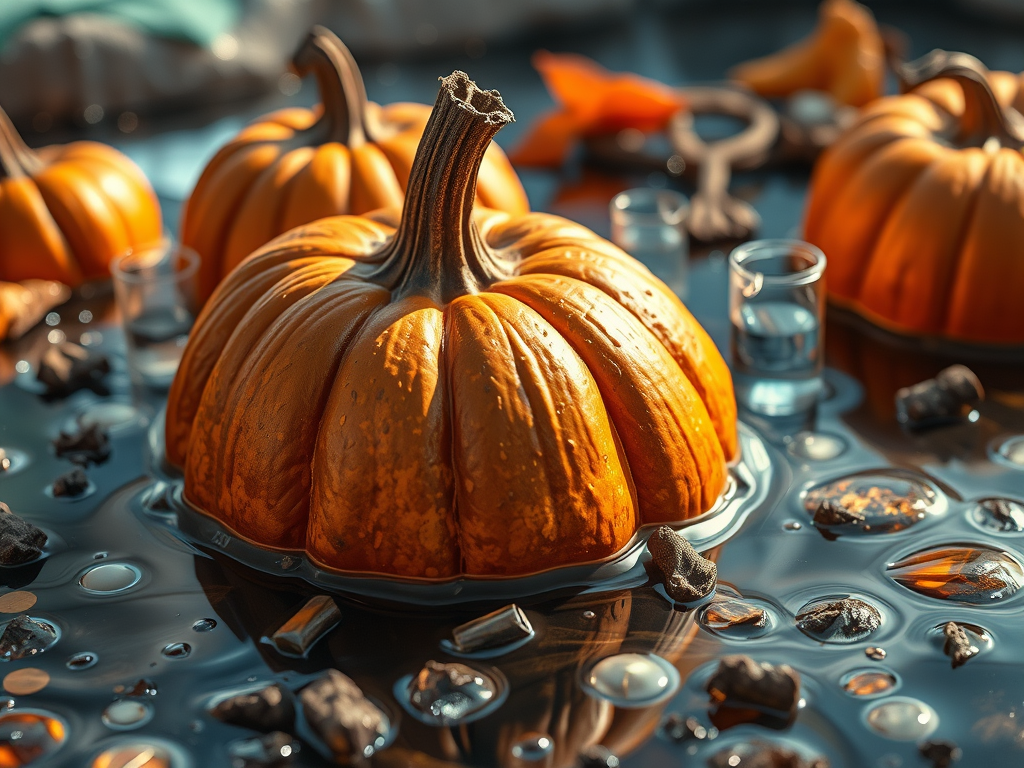
Barkahoum, Guergazi, and Nouioua, in their research published in RSC Advances, investigated the potential of using biocharBiochar is a carbon-rich material created from biomass decomposition in low-oxygen conditions. It has important applications in environmental remediation, soil improvement, agriculture, carbon sequestration, energy storage, and sustainable materials, promoting efficiency and reducing waste in various contexts while addressing climate change challenges. More derived from pumpkin peels as a low-cost adsorbent for removing pharmaceutical pollutants from water. The researchers synthesized biochar from pumpkin fruits at 500 °C (PB-500) and tested its efficiency in removing mequitazine and ethinylestradiol, the active ingredients in common medications, from aqueous solutions.
Their results revealed that PB-500 effectively removed both pharmaceuticals, achieving removal efficiencies of 66.61% for mequitazine and 62.37% for ethinylestradiol. The adsorption process followed a pseudo-second-order kinetic model, indicating that the rate-limiting step was likely chemisorption. The adsorption capacity was further influenced by the pHpH is a measure of how acidic or alkaline a substance is. A pH of 7 is neutral, while lower pH values indicate acidity and higher values indicate alkalinity. Biochars are normally alkaline and can influence soil pH, often increasing it, which can be beneficial More of the solution.
This study highlights the potential of utilizing food waste, such as pumpkin peels, to produce sustainable and cost-effective biochar for water purification. The abundance of pumpkin waste, with an estimated global production of 26 million tons annually, makes it an attractive and readily available resource for sustainable applications.
Source: Barkahoum, B., Guergazi, S., & Nouioua, A. (2025). Removal of active pharmaceutical compounds in Primalan and Diane using pumpkin biochar: synthesis, characterization, and adsorption study. RSC Advances, 15, 3066–3079.Sources and related content . DOI: 10.1039/d4ra07917e


Leave a Reply