
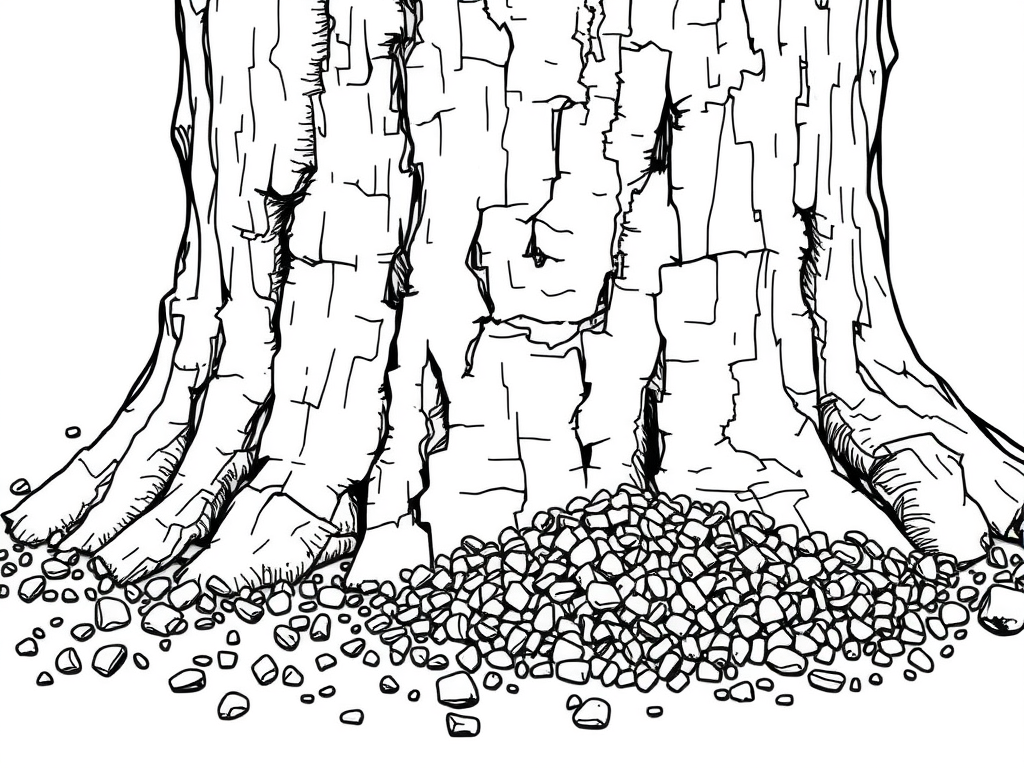
In a recent study published in BiomassBiomass is a complex biological organic or non-organic solid product derived from living or recently living organism and available naturally. Various types of wastes such as animal manure, waste paper, sludge and many industrial wastes are also treated as biomass because like natural biomass these More Conversion and Biorefinery, Lihui Zhang and colleagues explored the effectiveness of biocharBiochar is a carbon-rich material created from biomass decomposition in low-oxygen conditions. It has important applications in environmental remediation, soil improvement, agriculture, carbon sequestration, energy storage, and sustainable materials, promoting efficiency and reducing waste in various contexts while addressing climate change challenges. More derived from plane tree bark for removing methylene blue (MB) from wastewater. The research highlights a simple method to produce biochar from readily available garden waste, specifically plane tree bark, using potassium carbonate activation. This biochar exhibited a high specific surface area of 1193.290 m2/g and a maximum MB adsorption capacity of 1123 mg/g, showcasing its potential for efficient wastewater treatment.
The study detailed the biochar preparation process, emphasizing its simplicity and one-step activation and carbonization. The adsorption kinetics were best described by the quasi-second-order kinetic model, while the Freundlich model better explained the adsorption process.
The authors highlighted the increasing problem of dye-containing wastewater due to the high demand for textile products. They pointed out the toxicity and non-degradability of dyes like methylene blue, which pose significant environmental and health risks. The adsorption method, using materials like activated carbonActivated carbon is a form of carbon that has been processed to create a vast network of tiny pores, increasing its surface area significantly. This extensive surface area makes activated carbon exceptionally effective at trapping and holding impurities, like a molecular sponge. It is commonly More, is presented as a cost-effective and efficient solution for removing these pollutants.
The research demonstrated that plane tree bark, an abundant and renewable resource, can be effectively utilized to produce biochar with excellent adsorption properties. This study not only offers a sustainable solution for waste management but also provides an effective method for water purification, addressing a critical environmental concern.
SOURCE: Zhang, L., Yu, Q., Li, W., Zhou, Y., Peng, Q., & Wang, Y. (2025). Plane trees’ bark-derived porous biochar for efficient methylene blue biosorption. Biomass Conversion and Biorefinery.


Leave a Reply