
The 2026 Wege Prize has selected UniThread EcoHusk, a collaborative student team from Nigeria and Malawi, as one of five global finalists for its annual circular economy competition. Organized by Ferris State University’s Kendall College of Art and Design, the Wege Prize challenges university students to redesign economic systems by creating tangible, sustainable solutions to complex environmental and social problems. UniThread EcoHusk’s project centers on the valorization of discarded cocoa husks, transforming them into value-added products that address both soil degradation and water pollution in West Africa.
The team’s initiative addresses a critical intersection of unmanaged waste streams and industrial pollution. In major cocoa-growing regions, cocoa husks accumulate in vast quantities after harvest; when left to rot, these husks can harbor pests and diseases, and when burned, they contribute significantly to local air pollution. Simultaneously, these same communities often contend with untreated dye wastewater from local textile production pits. This runoff flows directly into nearby rivers, severely degrading water quality and threatening the health of residents who rely on these waterways for daily use.
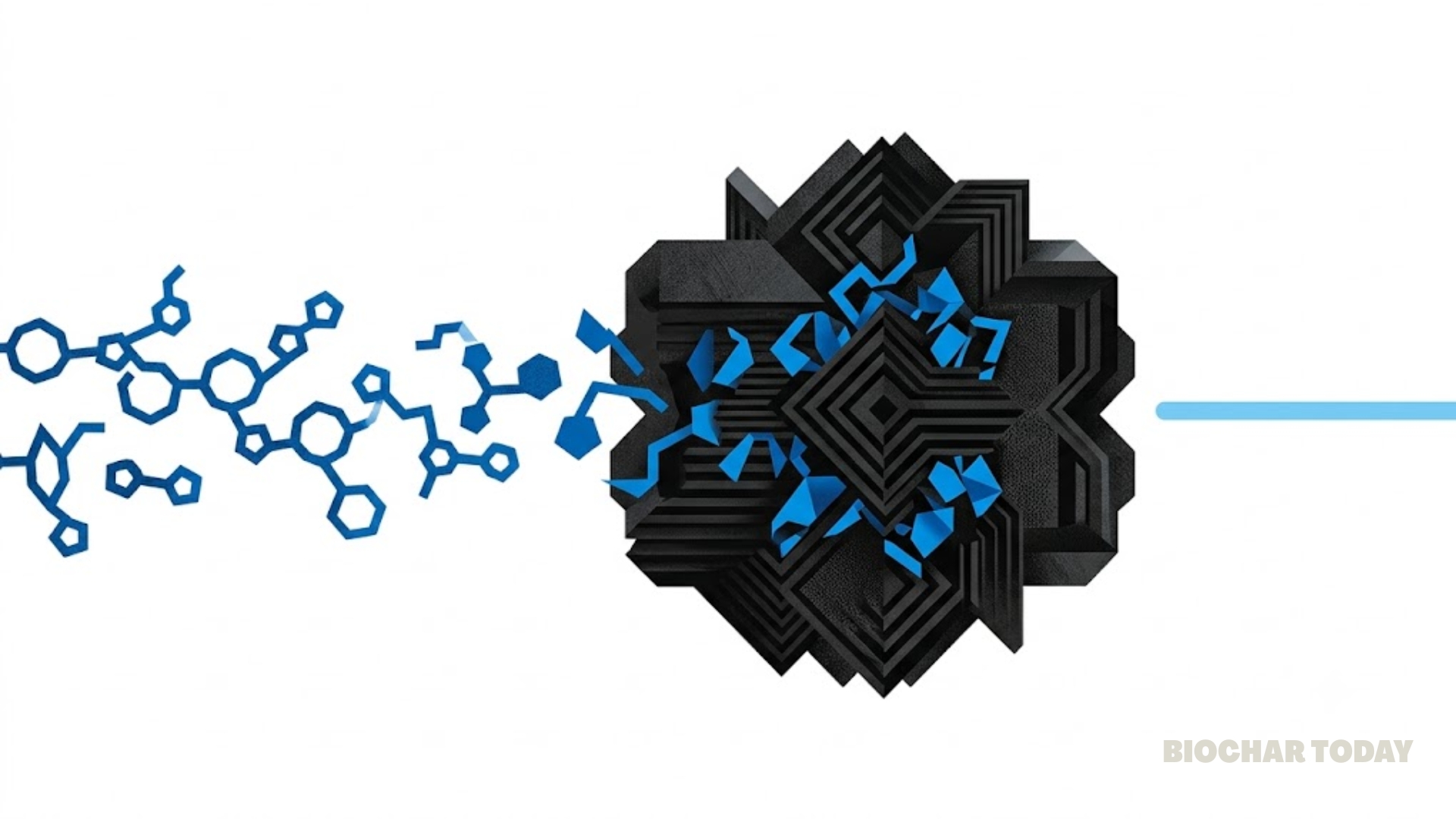
To solve these dual challenges, UniThread EcoHusk has developed a refill-based circular system that utilizes thermochemical conversion. The discarded cocoa husks are processed into biocharBiochar is a carbon-rich material created from biomass decomposition in low-oxygen conditions. It has important applications in environmental remediation, soil improvement, agriculture, carbon sequestration, energy storage, and sustainable materials, promoting efficiency and reducing waste in various contexts while addressing climate change challenges. More and activated charcoalCharcoal is a black, brittle, and porous material produced by heating wood or other organic substances in a low-oxygen environment. It is primarily used as a fuel source for cooking and heating. More. The activated charcoal is integrated into low-cost purification kits designed to filter out 95% of textile dye pollution from wastewater streams before they reach local rivers. Furthermore, the process yields stabilized biochar, which is returned to farmers to be used as a soil amendmentA soil amendment is any material added to the soil to enhance its physical or chemical properties, improving its suitability for plant growth. Biochar is considered a soil amendment as it can improve soil structure, water retention, nutrient availability, and microbial activity. More, effectively closing the loop by restoring soil health and enhancing agricultural productivity.
The anticipated outcomes of this system represent a significant advancement for regional circular economies. By deploying these filtration kits, the team aims to eliminate the vast majority of synthetic dye contaminants from West African waterways, providing communities with cleaner, safer water. On the agricultural front, the application of stabilized biochar offers a pathway to increase crop yields and sequester carbon in the soil. By converting a burdensome waste product into a source of economic and environmental value, the project demonstrates a scalable model for reducing emissions and strengthening local infrastructure.



Leave a Reply