

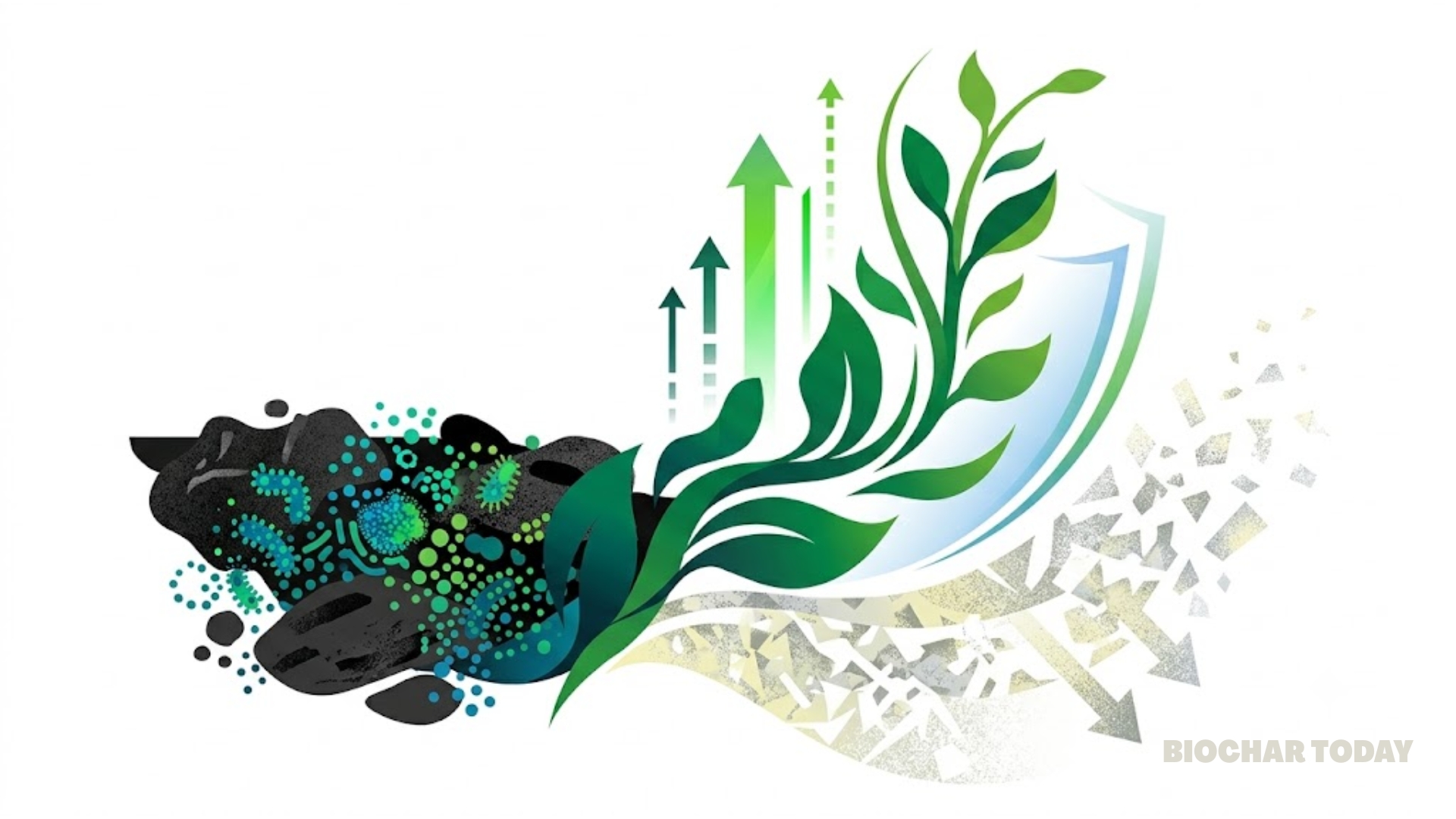
A recent study published in Scientific Reports by Shoaib et al. introduces a novel approach to wastewater treatment, utilizing biocharBiochar is a carbon-rich material created from biomass decomposition in low-oxygen conditions. It has important applications in environmental remediation, soil improvement, agriculture, carbon sequestration, energy storage, and sustainable materials, promoting efficiency and reducing waste in various contexts while addressing climate change challenges. More derived from green algae to remove methylene blue (MB) dye. The researchers found that this biochar, processed with sulfuric acid and ammonium hydroxide, exhibits a high surface area and effective porosityPorosity of biochar is a key factor in its effectiveness as a soil amendment and its ability to retain water and nutrients. Biochar’s porosity is influenced by feedstock type and pyrolysis temperature, and it plays a crucial role in microbial activity and overall soil health. Biochar More, making it an efficient adsorbent for dye removal. The study thoroughly examines the factors influencing the adsorption process, including dye concentration, pHpH is a measure of how acidic or alkaline a substance is. A pH of 7 is neutral, while lower pH values indicate acidity and higher values indicate alkalinity. Biochars are normally alkaline and can influence soil pH, often increasing it, which can be beneficial More levels, contact time, and biochar dosage.
The research demonstrates that the green algae biochar can achieve an adsorption capacity of 966.31 mg of MB dye per gram of biochar at equilibrium. This finding highlights the material’s potential for large-scale wastewater treatment applications. The kinetic analysis indicates that the adsorption process is best described by a pseudo-second-order model, suggesting that chemisorption is the primary mechanism through which the dye is removed. The study also employed artificial neural network modeling to analyze the complex interactions between variables affecting adsorption, providing valuable insights for developing effective wastewater treatment strategies.
Dye contamination from industrial processes poses a significant threat to environmental and human health. Current methods to remove dye from wastewater include chemical treatments, but they can be costly and create toxic byproducts. The use of biochar derived from green algae offers a sustainable and cost-effective alternative. Green algae are abundant and can be cultivated in various water bodies, making them a renewable resource.
The biochar is produced through a series of steps. First, the green algae Ulva lactuca is collected, washed, and dried. The algae are then mixed with sulfuric acid, refluxed, and rinsed to create sulfur-doped biochar. This product is reacted with ammonia solution in a hydrothermal system to produce the final biochar product.
This study demonstrates that biochar from green algae is a powerful adsorbent for removing dyes from wastewater. This material presents a sustainable and efficient solution for mitigating water pollution from industrial sources.
Source: Shoaib, A. G. M., Yılmaz, M., El Sikaily, A., Hassaan, M. A., El-Nemr, M. A., & El Nemr, A. (2025). Isotherm, kinetics and ANN analysis of methylene blue adsorption onto nitrogen doped Ulva lactuca Biochar. Scientific Reports, 15(1), 10642.



Leave a Reply