
Key Takeaways
- An eco-friendly microwave-assisted pyrolysisPyrolysis is a thermochemical process that converts waste biomass into bio-char, bio-oil, and pyro-gas. It offers significant advantages in waste valorization, turning low-value materials into economically valuable resources. Its versatility allows for tailored products based on operational conditions, presenting itself as a cost-effective and efficient More (MAP) technique successfully converts heterogeneous food waste (FW) into sustainable graphitic carbon.
- Optimal biocharBiochar is a carbon-rich material created from biomass decomposition in low-oxygen conditions. It has important applications in environmental remediation, soil improvement, agriculture, carbon sequestration, energy storage, and sustainable materials, promoting efficiency and reducing waste in various contexts while addressing climate change challenges. More production conditions were identified with lower energy consumption.
- Biochar that was subjected to an ultrasonic pre-treatment (BPT) achieved the highest degree of graphitization, indicating a high resemblance to pure graphite and potential for high electrical conductivity.
- The pre-treated biochar (BPT) also exhibited the largest crystallite size and graphite content, which is directly related to potential applications in energy storage devices.
- High amounts of coexisting sodium chloride (NaCl) in non-pre-treated samples were found to significantly reduce the degree of graphitization, highlighting the importance of pre-treatment.
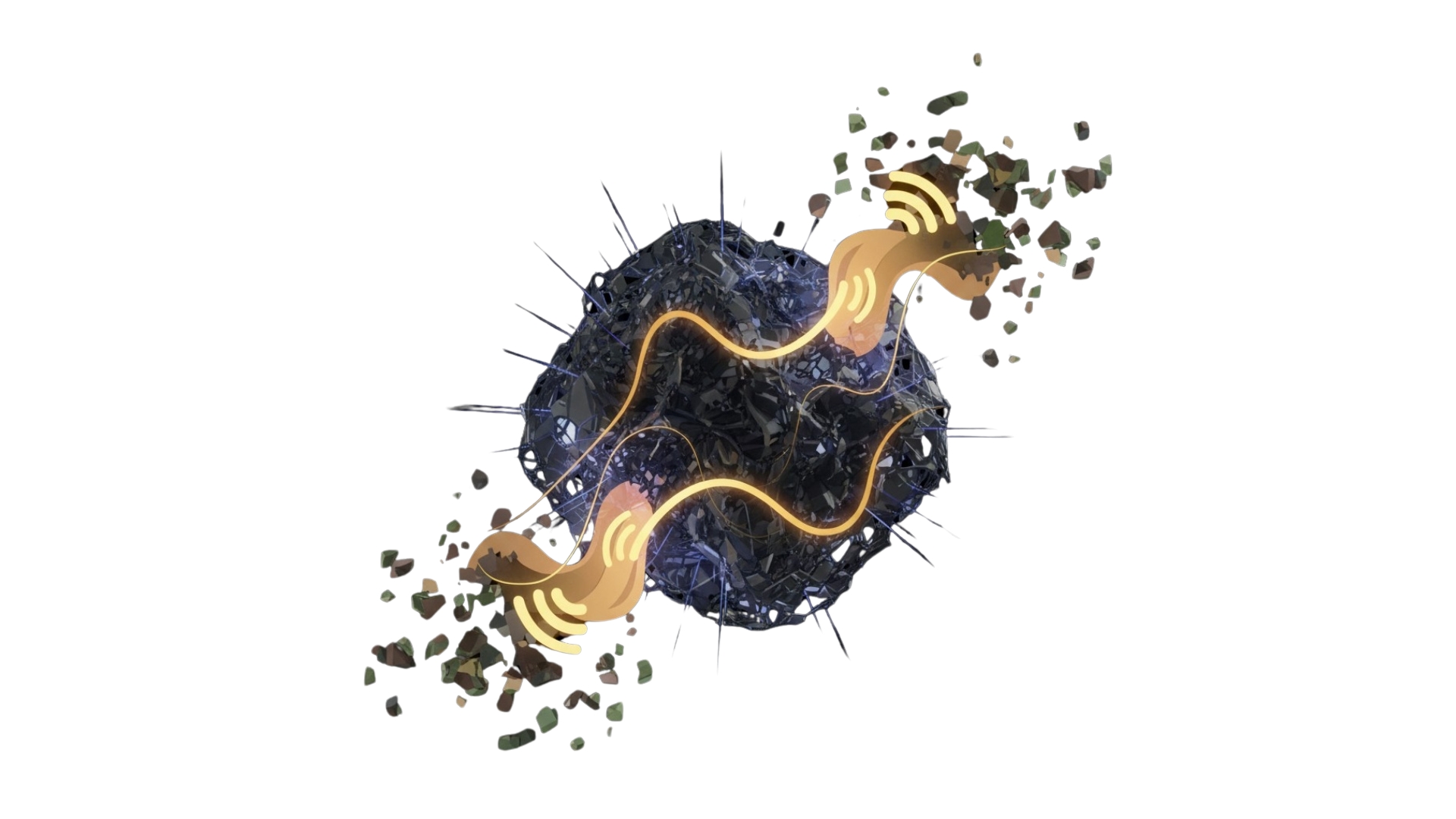
The escalating global challenge of waste generation, particularly food waste (FW), necessitates innovative and sustainable conversion technologies. In Malaysia alone, an estimated 3.5 million tons of FW are generated annually. Transforming this waste into high-value materials, such as graphite, presents an appealing solution given the high demand for it, particularly in energy-related applications. This research, published in the International Journal of Integrated Engineering by Nuraqilah Hishammuddin, Siti Shawalliah Idris, Norazah Abd Rahman, Noor Fitrah Abu Bakar, Siti Norazian Ismail, and Alina Rayahu Mohamed, explores an eco-friendly and effective method for producing sustainable graphitic carbon from heterogeneous FW using microwave-assisted pyrolysis (MAP).
The study established that the optimal conditions for the complete pyrolysis of food waste into biochar using microwave irradiation were at 1000W for 30 minutes, yielding 23.9% of the solid product with low energy consumption. A fully pyrolyzed biochar was physically characterized as a blackish-bright, porous material devoid of any food-related odor.
Proximate analysis revealed that all produced biochar samples had moisture content within the acceptable standard and contained a significant amount of volatile matterVolatile matter refers to the organic compounds that are released as gases during the pyrolysis process. These compounds can include methane, hydrogen, and carbon monoxide, which can be captured and used as fuel or further processed into other valuable products. More (VM), ranging from 50-60%. The fixed carbon content was notably high for the samples pyrolyzed at the longest residence timeResidence time refers to the duration that the biomass is heated during the pyrolysis process. The residence time can influence the properties of the biochar produced. More of 45 minutes (GNPT45 and GPT45), suggesting high carbon stability. The sample subjected to pre-treatment (BPT) demonstrated the highest volatile matter content (61.71 wt.%) and a high carbon concentration, indicating a greater potential for energy release.
The critical finding regarding the synthesis of high-quality graphitic carbon related to the pre-treatment process. The biochar pre-treated with ultra-sonication (BPT) exhibited a complete conversion to graphite (100% graphite content) with the highest degree of graphitization. This degree of graphitization illustrates a close resemblance to the properties of pure graphite and suggests an excellent potential for high electrical conductivity and mechanical endurance. In contrast, samples that were not subjected to the pre-treatment showed a significant coexistence of halite (NaCl). High amounts of this NaCl impurity were found to reduce the degree of graphitisation, affecting the surface area and pore volume of the graphitic biochar generated. For instance, non-pre-treated biochar (BNPT and GNPT45) contained 99% NaCl and consequently registered low Gp values of 22.51 and 20.53, respectively.
Further structural analysis via XRD showed that the pre-treated biochar (BPT) exhibited the largest crystallite size, compared to the rest of the graphitic carbon samples. A larger crystal size is directly related to higher electrical conductivity. FTIR spectroscopy confirmed the presence of functional groups typical of carbonaceous materials. The present findings provide new insights that will promote the effective utilization of FW resources.
Source: Hishammuddin, N., Idris, S. S., Rahman, N. A., Bakar, N. F. A., Ismail, S. N., & Mohamed, A. R. (2025). Characterization of Sustainable Graphitic Biochar from Food Waste via Microwave Irradiation Technique. International Journal of Integrated Engineering, 17(4), 199–209.


Leave a Reply