Skip to content
LinkedIn
X
Facebook
Instagram
Reddit
Spotify
RSS Feed
Search
News
Blog
Industry Insights
Expert Profiles
Biochar Decoded
Ask Annie
Announcements
Podcast
Videos
Insights
Use Cases
Agriculture
Horticulture
Livestock
Landscaping
Building Materials
Concrete / Asphalt
Reforestation
Soil Remediation
Water Treatment
Carbon Sequestration
About
About Biochar Today
Partner Directory
Editorial Guidelines
Contact
food waste
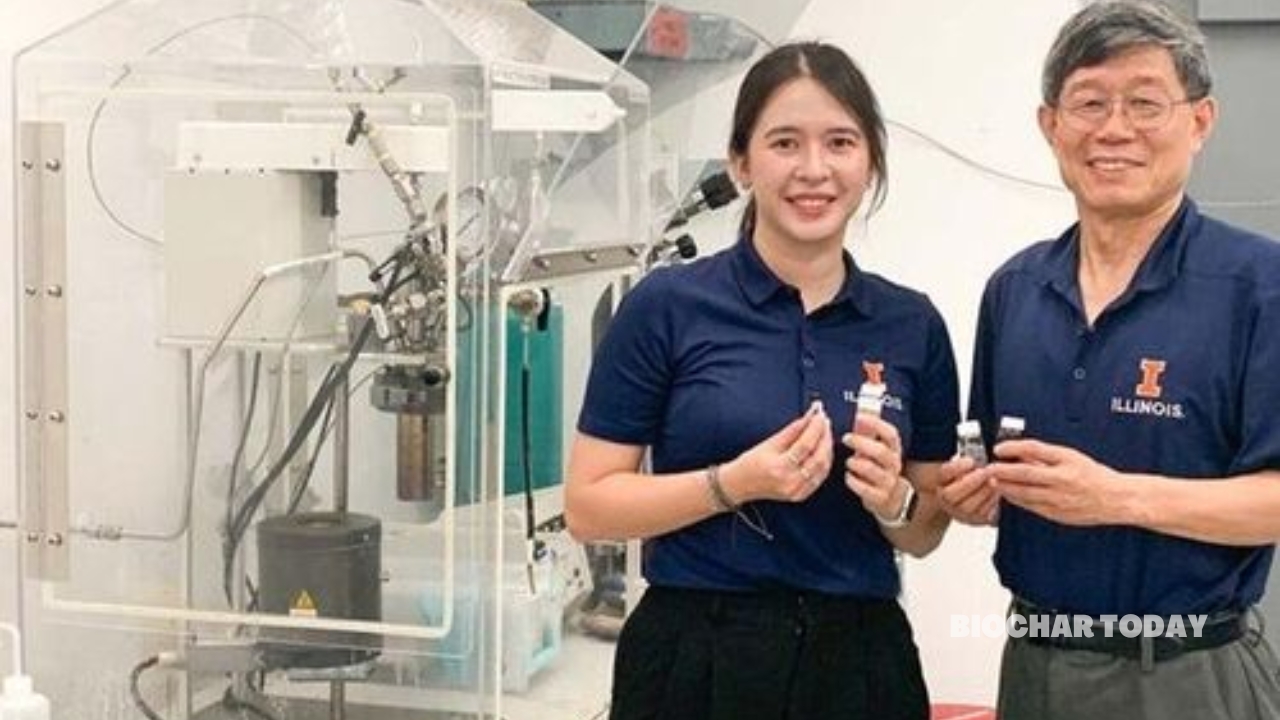
University of Illinois Urbana-Champaign Study Demonstrates Technical and Economic Feasibility of Generating Sustainable Aviation Fuel Blend from Food Waste Through Hydrothermal Liquefaction
Eucalyptus grandis Biochar Enhances Acetic Acid Fraction by Fifty-Three Percent and Improves Total Profitability to Approximately One Hundred and Sixty Thousand Rand in Food Waste Biorefineries
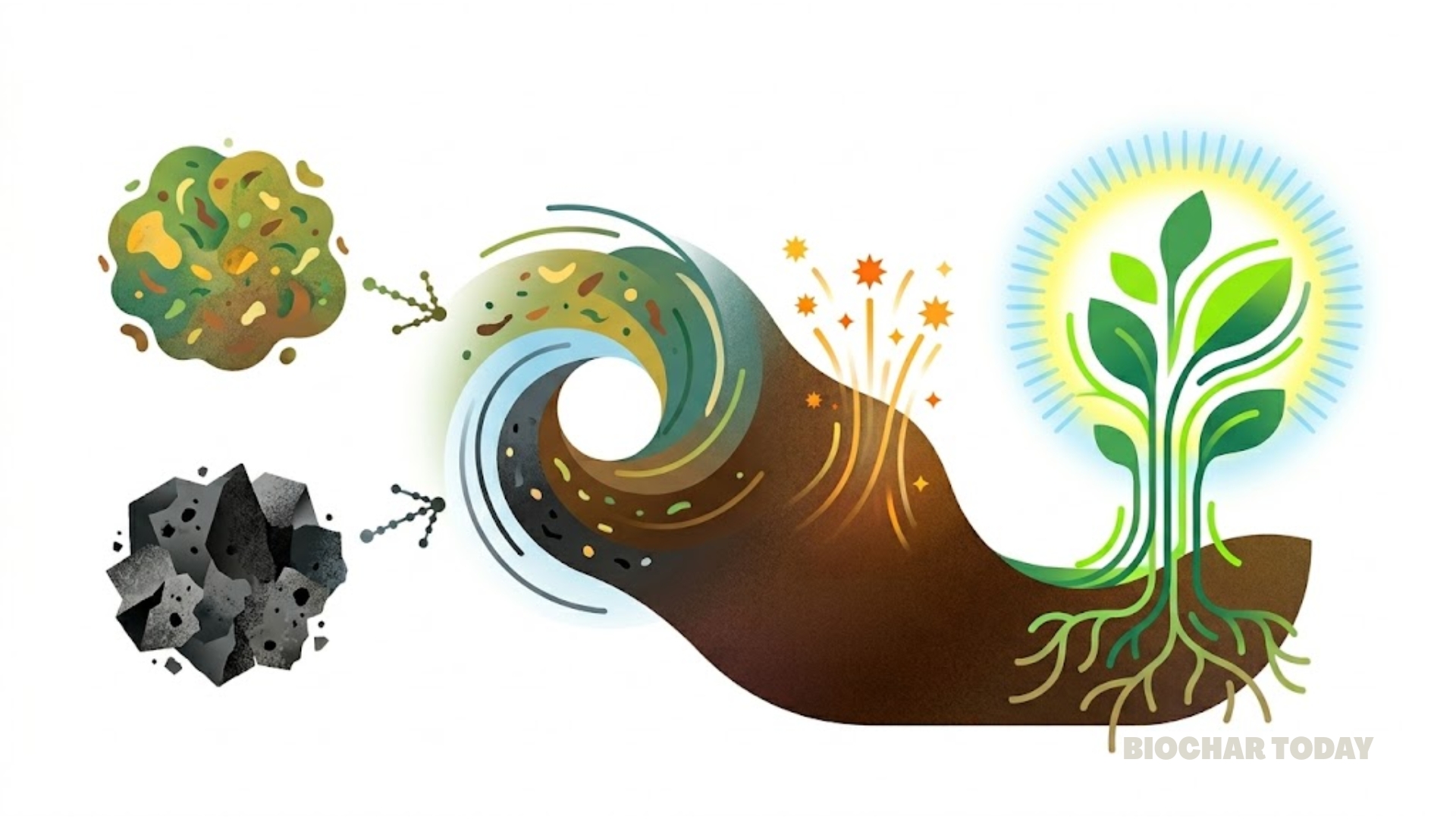
Incorporating Sewage Sludge Biochar into Food Waste Compost Increases Essential Phosphorus Levels by Nearly Three Times and Enhances Crop Photosynthetic Health
Apple Pomace Biochar Removes 97.5 Percent of Metal Pollutants from Contaminated Water
Sustainable Valorization of Food Waste into Biochar for High-Efficiency Energy and Water Treatment
Graphitic Biochar from Pre-Treated Food Waste Achieves 60.75 Degree of Graphitization and 23.9% Yield via Microwave Pyrolysis
Australia’s 31.2 Mt Food Waste Problem: Biochar Conversion Offers a $36.6 Billion Solution
Biochar: A Cost-Effective Solution for Carbon Capture with 10x Higher CO2 Adsorption than N2
Converting 31.2 Million Tonnes of Australian Food Waste to Biochar Offers a 50% Reduction in Waste and Significant Environmental Benefits
Food Waste Biochar Production Offers Net Emission Reductions of 1.15-1.20 tCO2eq Per Tonne
1
2
3
Next Page
Loading Comments...
Write a Comment...
Email (Required)
Name (Required)
Website