
Lee, Y.N., Kim, S.S., Lee, D.W. et al.Characterization and application of biocharBiochar is a carbon-rich material created from biomass decomposition in low-oxygen conditions. It has important applications in environmental remediation, soil improvement, agriculture, carbon sequestration, energy storage, and sustainable materials, promoting efficiency and reducing waste in various contexts while addressing climate change challenges. More derived from greenhouse crop by-products for soil improvement and crop productivity in South Korea. Appl Biol Chem 67, 112 (2024). https://doi.org/10.1186/s13765-024-00968-6
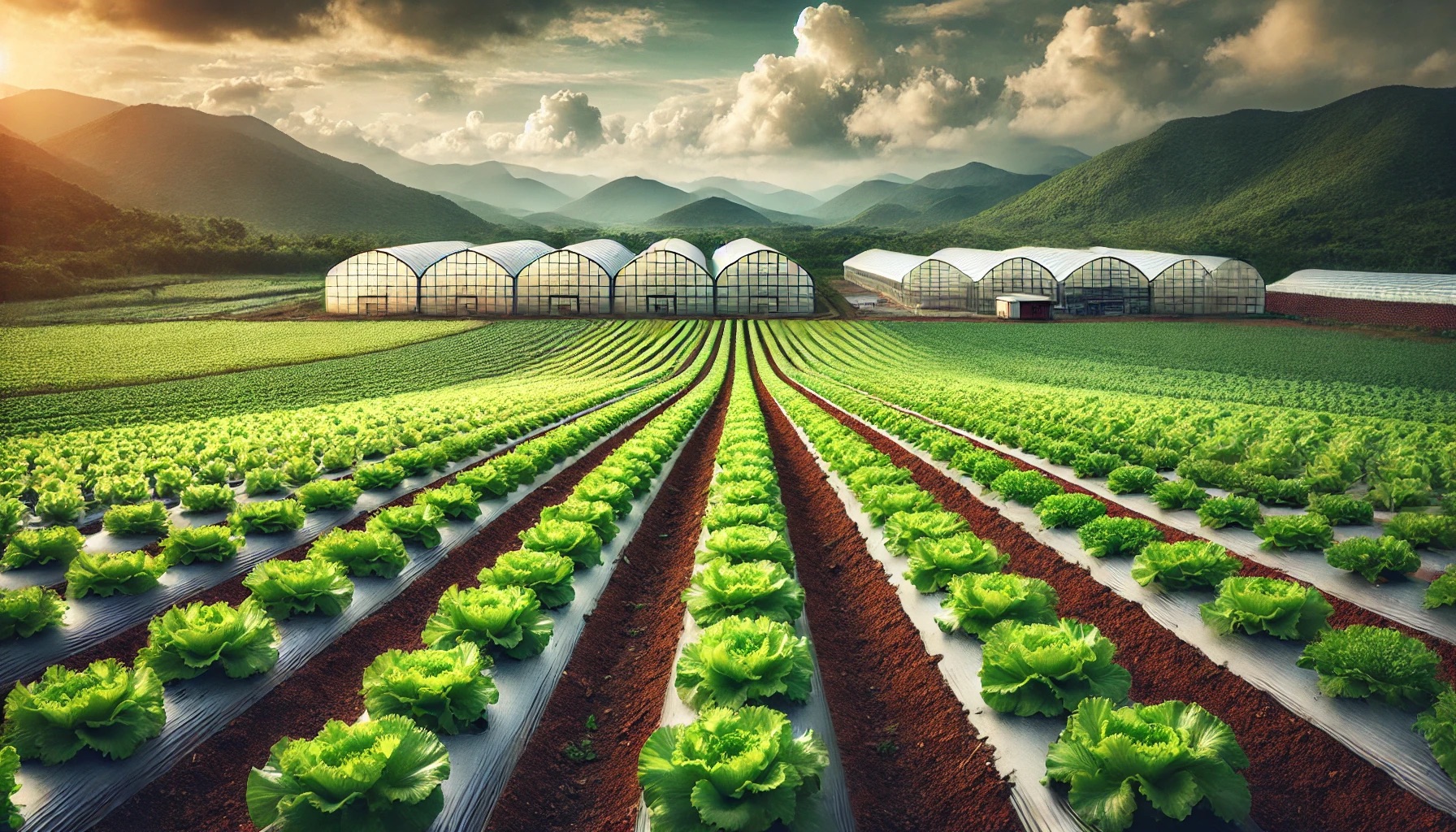
South Korea generates significant greenhouse crop by-products annually, much of which remains underutilized or discarded. To address this waste, researchers explored biochar production from red pepper stalks as a sustainable soil amendmentA soil amendment is any material added to the soil to enhance its physical or chemical properties, improving its suitability for plant growth. Biochar is considered a soil amendment as it can improve soil structure, water retention, nutrient availability, and microbial activity. More. Biochar is produced through pyrolysis—a high-temperature process in oxygen-limited conditions—resulting in a carbon-rich product that can improve soil health and support sustainable agriculture.
The study analyzed biochar produced at various pyrolysisPyrolysis is a thermochemical process that converts waste biomass into bio-char, bio-oil, and pyro-gas. It offers significant advantages in waste valorization, turning low-value materials into economically valuable resources. Its versatility allows for tailored products based on operational conditions, presenting itself as a cost-effective and efficient More temperatures (200–600°C), observing its chemical properties and effects on lettuce cultivation. Higher pyrolysis temperatures increased biochar’s pHpH is a measure of how acidic or alkaline a substance is. A pH of 7 is neutral, while lower pH values indicate acidity and higher values indicate alkalinity. Biochars are normally alkaline and can influence soil pH, often increasing it, which can be beneficial More and electrical conductivity (EC) but reduced nitrogen content due to volatilization. Lettuce yields improved with moderate biochar applications, with co-applied biochar and fertilizer treatments boosting fresh weight yields by 32.6% compared to fertilizer-only treatments during the first cropping season. However, excessive biochar use (≥ 800 kg/ha) caused declines in the second season, likely due to increased soil salinity and pH levels that hindered nutrient uptake.
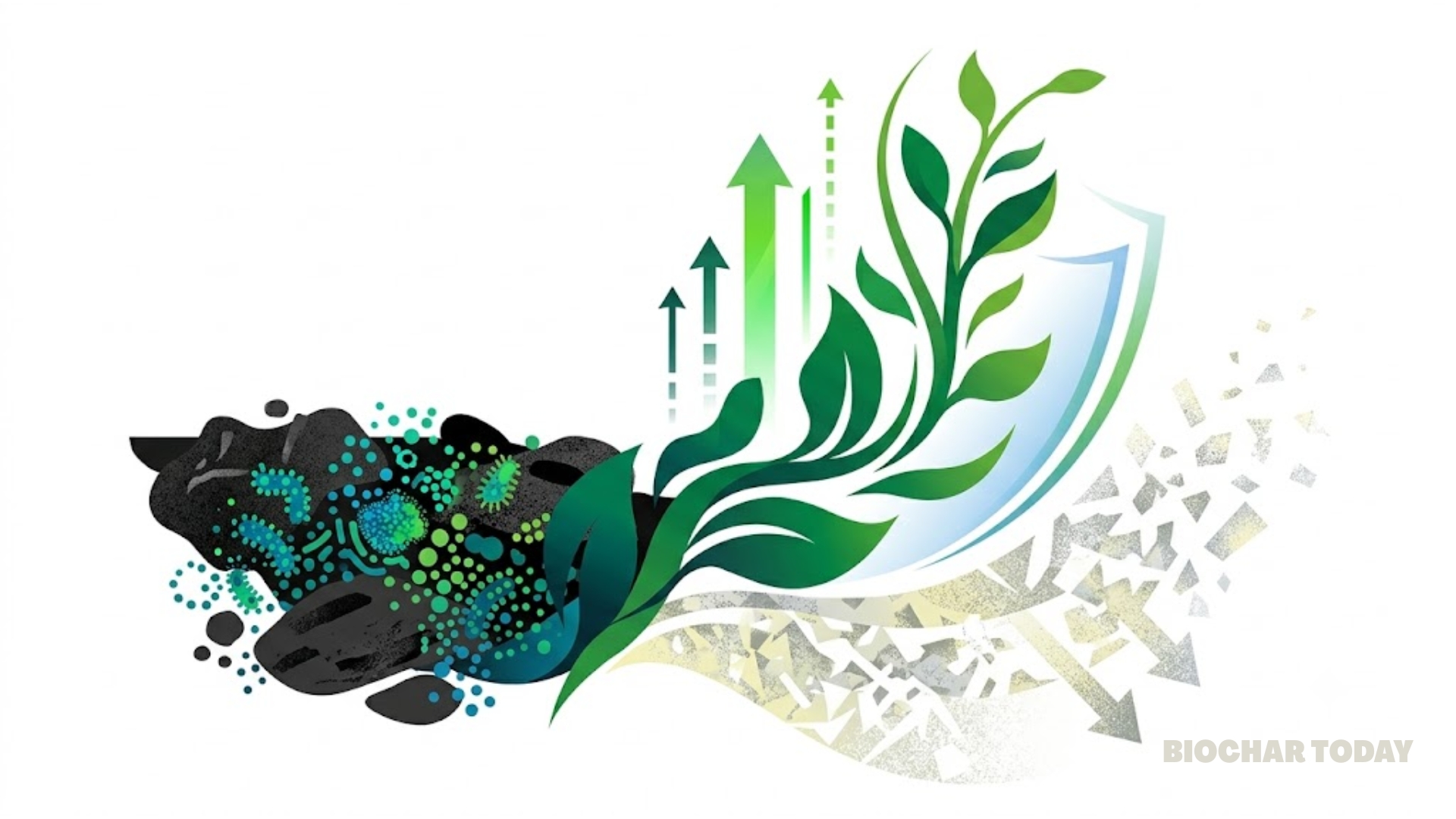
The findings highlight the dual benefits of biochar in recycling agricultural waste and improving soil fertility. However, careful management of application rates is essential to avoid negative long-term impacts, such as salinity buildup or nutrient imbalances. This study underscores the potential of biochar in advancing sustainable agricultural practices, while also advocating for further research in field conditions to establish optimal guidelines for its use.
By repurposing greenhouse residues, biochar presents an opportunity to reduce agricultural waste and enhance soil health, promoting a more sustainable farming future.



Leave a Reply