
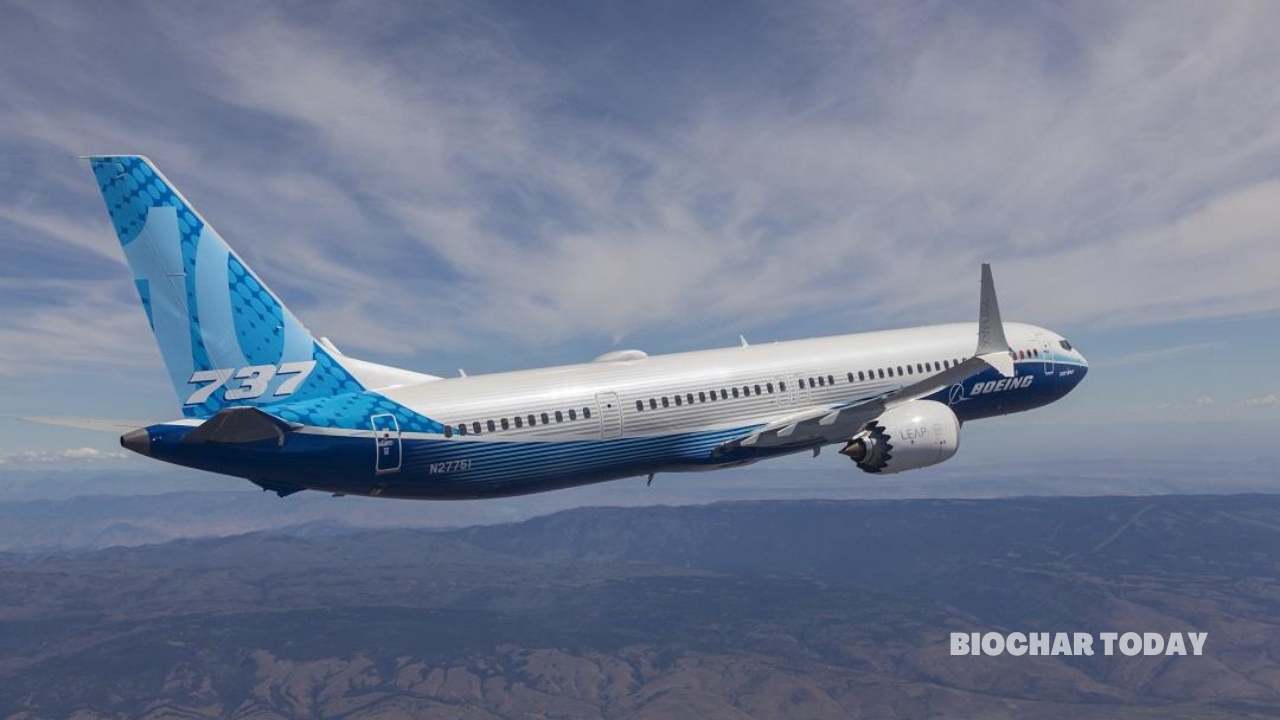
Boeing has entered into an agreement with the carbon removal marketplace Supercritical to purchase 20,000 tons of durable carbon dioxide removal (CDR). This diversified portfolio includes projects focused on biocharBiochar is a carbon-rich material created from biomass decomposition in low-oxygen conditions. It has important applications in environmental remediation, soil improvement, agriculture, carbon sequestration, energy storage, and sustainable materials, promoting efficiency and reducing waste in various contexts while addressing climate change challenges. More and enhanced rock weathering (ERW) located across several developing nations. This move follows Boeing’s previous commitments to acquire 80,000 tons of CDRs from other providers, signaling a consistent expansion of the aerospace giant’s carbon management strategy. The initiative specifically targets the mitigation of residual emissions as part of a broader corporate sustainability framework.
The primary challenge addressed by this agreement is the difficulty of neutralizing hard-to-abate Scope 3 category 6 emissions, which are associated with business travel. As global air travel demand rises, aviation entities face significant pressure to address emissions that cannot yet be eliminated through direct technological shifts at the source. Furthermore, the voluntary carbon market often struggles with quality assurance; buyers frequently lack the rigorous scientific frameworks necessary to evaluate additionality, permanence, and operational readiness across hundreds of disparate global projects.
To solve these issues, Boeing and Supercritical utilized a science-vetted procurement model rather than a traditional brokerage approach. They screened over 200 global projects against a 118-point scientific framework to ensure high integrity. The resulting solution is a diversified portfolio of six suppliers: Exomad Green, Ground Up, InPlanet, NetZero, Varaha, and PlanBoo. These suppliers operate in Brazil, Bolivia, Namibia, and India. By spreading the investment across multiple geographies and methods—specifically biochar and ERW—Boeing minimizes delivery risk while supporting the scaling of carbon removal infrastructure in the Global South.
The outcome of this transaction is a verified reduction in Boeing’s net carbon footprint and the provision of critical catalytic capital to the biochar industry. Beyond the 20,000 tons of sequestered carbon, the projects are expected to deliver secondary agricultural benefits, such as improved soil health and increased productivity for local farmers in the operating regions. This partnership establishes a precedent for large-scale industrial buyers to prioritize science-based criteria over simple availability, fostering a more mature and transparent global market for durable carbon removals.


Leave a Reply