
Key Takeaways
- Adding minerals like clay to biocharBiochar is a carbon-rich material created from biomass decomposition in low-oxygen conditions. It has important applications in environmental remediation, soil improvement, agriculture, carbon sequestration, energy storage, and sustainable materials, promoting efficiency and reducing waste in various contexts while addressing climate change challenges. More during production creates stronger, more stable materials that stay in the soil much longer than plain biochar.
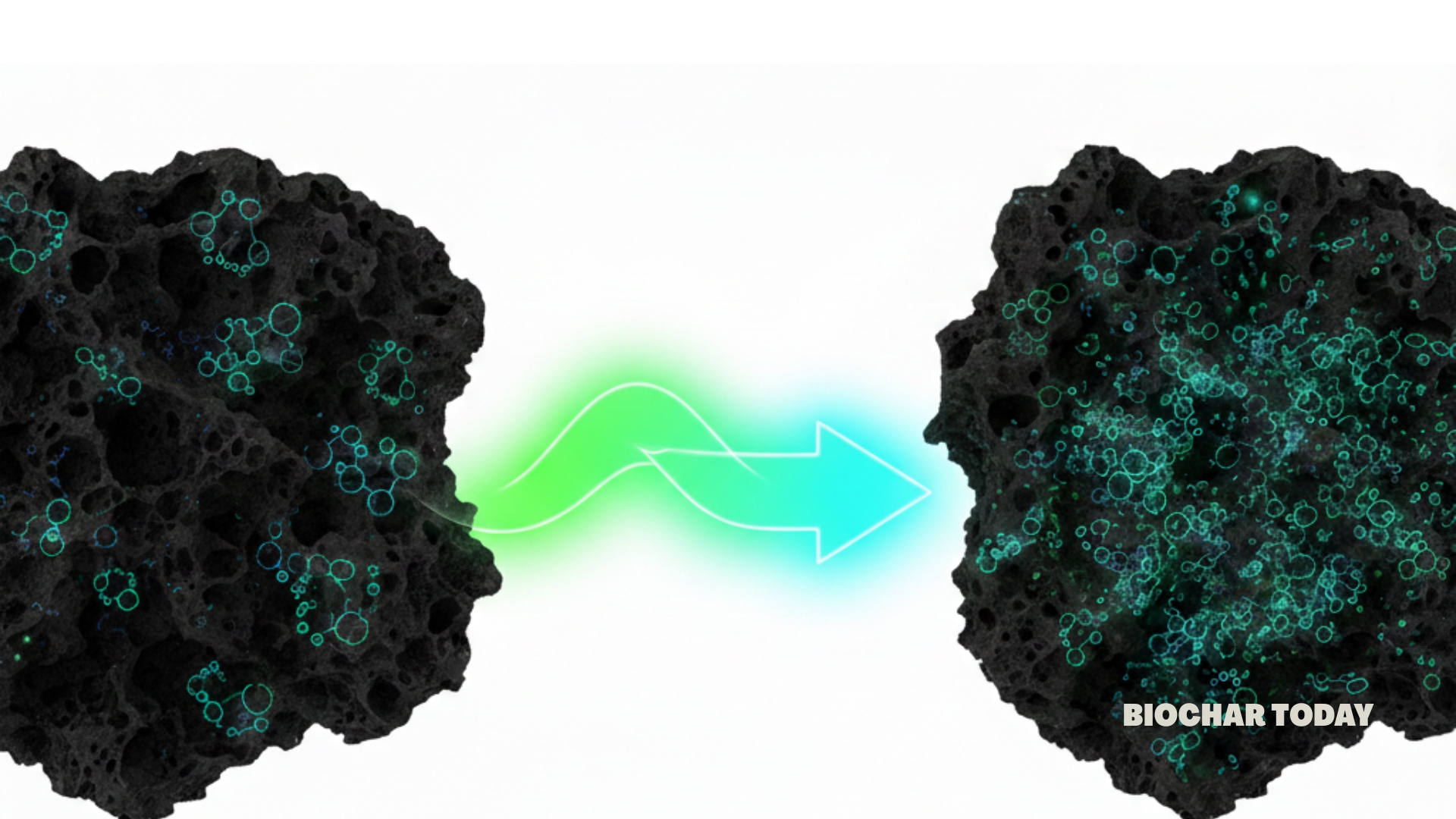
- These engineered mixtures can increase the development of tiny pores in the material by 30 to 40 percent, making them better at trapping pollutants.
- Farmers using these specialized biochars can reduce the amount of toxic metals, like cadmium, in food crops by approximately 80 percent.
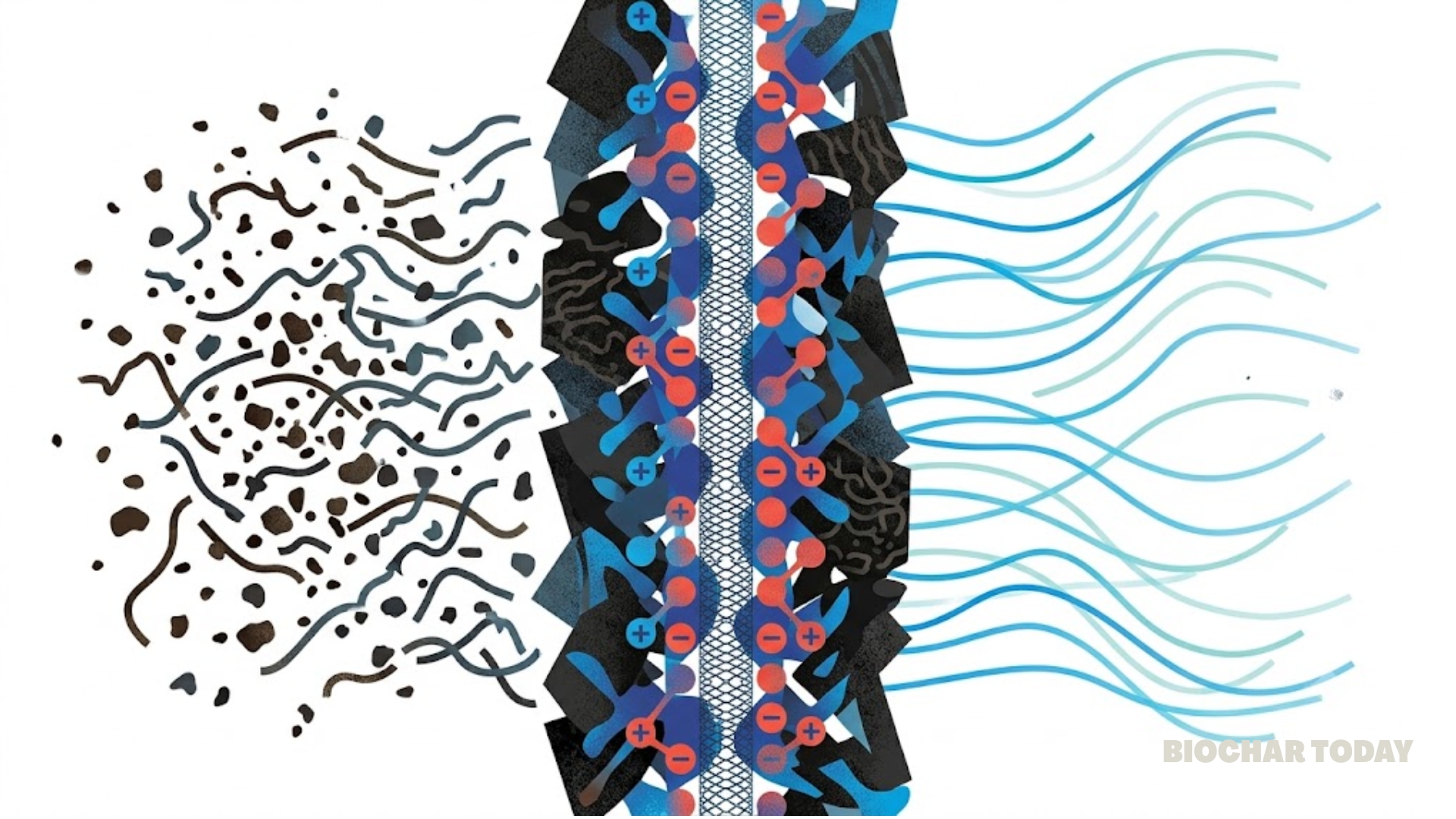
- These materials act as smart sponges that not only clean water and soil but also slowly release essential nutrients to help plants grow.
- Creating these composites helps fight climate change by locking carbon in the ground and reducing harmful greenhouse gas emissions from farm fields.
The research published in the journal Biochar by Liuwei Wang and a team of international experts explores how combining biochar with natural minerals creates a superior material for environmental protection. While plain biochar has been used for centuries to improve soil, it often lacks the specific strengths needed for modern challenges like heavy metal pollution or large-scale water treatment. By engineering biochar composites with minerals such as clay, silicates, and metal oxides, scientists have developed a way to make the carbon in biochar more stable and effective. The study highlights that these organo-mineral interactions are not just artificial inventions but are inspired by the way carbon naturally survives in the environment for thousands of years.
The findings demonstrate that the physical structure of biochar changes significantly when minerals are added during the heating process. For example, adding clay minerals like montmorillonite or bentonite helps the material break down more effectively during production, which leads to a 30 to 40 percent increase in the development of tiny internal pores. These pores are essential because they provide more surface area for the biochar to grab onto nutrients or toxic chemicals. However, the study also notes that the results can vary; if the temperature is too high, certain minerals might melt and block these pores, which shows that carefully controlling the production process is vital to getting the best performance.
Quantitative results from field tests show just how powerful these mineral-enhanced biochars can be for food safety. In one notable experiment, a biochar composite made with manganese was applied to rice paddies contaminated with cadmium. The results were dramatic, with the amount of cadmium reaching the rice grains dropping by 78 to 82 percent. This happens because the minerals on the biochar surface either trap the toxic metal directly or help the soil provide other nutrients that the plant prefers to absorb instead of the toxin. Beyond cleaning the soil, these composites also improved the overall health of the land by helping beneficial microbes thrive and increasing the amount of nutrients like nitrogen and phosphorus available to crops.
The environmental benefits of these engineered materials extend to the atmosphere as well. The study reports that applying biochar to dryland farming systems can lower emissions of nitrous oxide, a potent greenhouse gas, by as much as 49 percent. In wet environments like rice paddies, the reduction is around 22 percent. Additionally, these materials can help lower methane emissions by 18 percent. These reductions occur because the mineral-coated biochar changes the chemical balance of the soil and supports specific types of bacteria that process these gases before they can escape into the air. This makes engineered biochar a multi-purpose tool that addresses local soil pollution and global climate change at the same time.
Looking toward the future, the researchers emphasize that while these materials show great promise in labs and small farm trials, the next step is moving toward large-scale use in cities and industries. Potential applications include using biochar-mineral filters to clean heavy metals and antibiotics out of urban stormwater and industrial wastewater. The study concludes that by mimicking the natural processes that have stabilized carbon in the earth for millennia, scientists can create cost-effective and environmentally friendly solutions for some of the most pressing agricultural and environmental problems today. Matching the right mineral with the right type of biochar is the key to unlocking these benefits for sustainable development.
Source: Wang, L., Yang, J., Li, X., Zhang, L., Van Zwieten, L., Mašek, O., Joseph, S., Zhang, K., & Yu, K. (2026). Engineered biochar composite with minerals: organo-mineral interactions, physicochemical changes, and implications for practical application. Biochar, 8(53). https://doi.org/10.1007/s42773-026-00569-0




Leave a Reply