
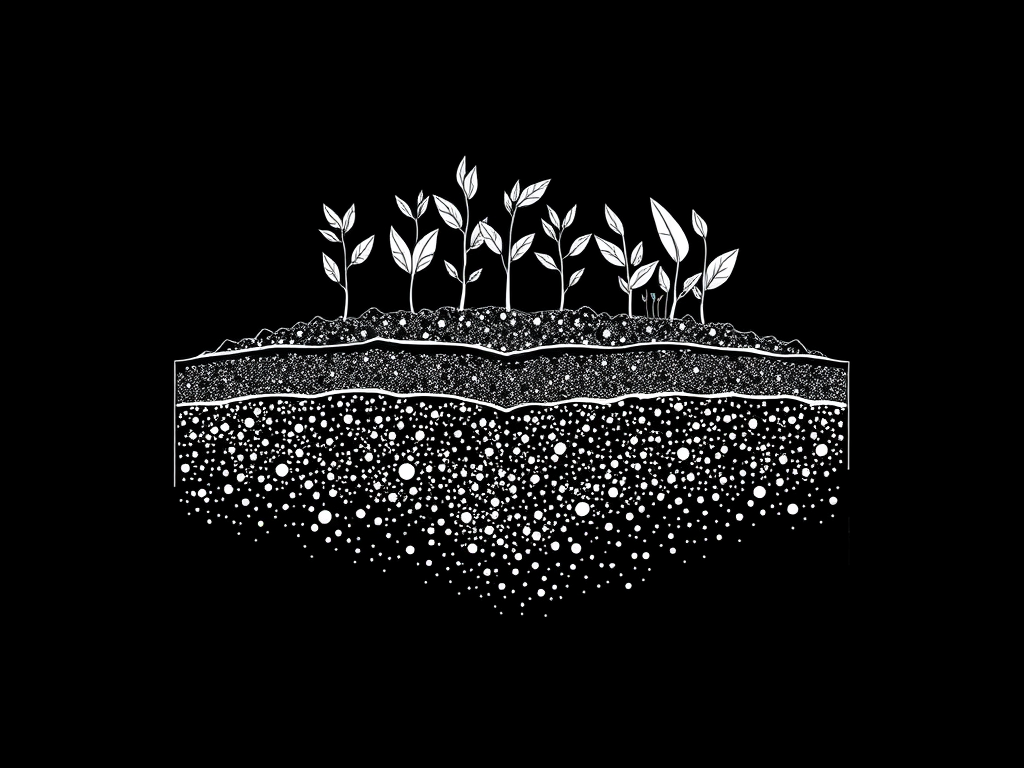
In a recent review published in GCB Bioenergy, Amanda Ronix and colleagues examined the use of biogeochemical models to assess how biocharBiochar is a carbon-rich material created from biomass decomposition in low-oxygen conditions. It has important applications in environmental remediation, soil improvement, agriculture, carbon sequestration, energy storage, and sustainable materials, promoting efficiency and reducing waste in various contexts while addressing climate change challenges. More, a carbon-rich substance derived from biomassBiomass is a complex biological organic or non-organic solid product derived from living or recently living organism and available naturally. Various types of wastes such as animal manure, waste paper, sludge and many industrial wastes are also treated as biomass because like natural biomass these More, impacts soil carbon storage. They found that while biochar is promising for carbon sequestration, current models only partially account for its role in soil management. The review highlights that incorporating biochar into soil models could lead to a 30-60% increase in soil carbon stocks over 100 years, offering both environmental and financial benefits.
Soil’s ability to store carbon is crucial in the fight against climate change. Biochar, produced by heating biomass in the absence of oxygen, is a climate-smart solution that not only sequesters carbon but also enhances soil fertility and agricultural productivity. The key is biochar’s stability; it resists decomposition, keeping carbon locked away from the atmosphere for extended periods.
Predicting biochar’s long-term impact requires understanding the complex interactions between soil, crops, climate, and biochar itself. Biogeochemical models, like RothC, EPIC, and Century, are valuable tools for this, simulating carbon and nutrient cycling to inform decisions on climate change and land use. The RothC model, a widely used tool for estimating soil carbon, predicts a substantial increase in soil carbon stocks (30%–60%) over a century when biochar is applied. This model, and others like APSIM and EPIC, help scientists understand biochar’s effects on soil carbon dynamics.
Despite the promise, current models have limitations. They often lack validation with long-term field data and struggle to represent the complex processes of biochar degradation. More research is needed, particularly long-term field studies in tropical soils, to improve the accuracy of these models.
SOURCE: Ronix, A., Carvalho da Silva Neto, E., Pellegrino Cerri, C. E., Latawiec, A. E., & Carvalho, J. L. N. (2025). Incorporating Biochar Into Biogeochemical Models: Achievements and Challenges. GCB Bioenergy, 17(e70037).


Leave a Reply