
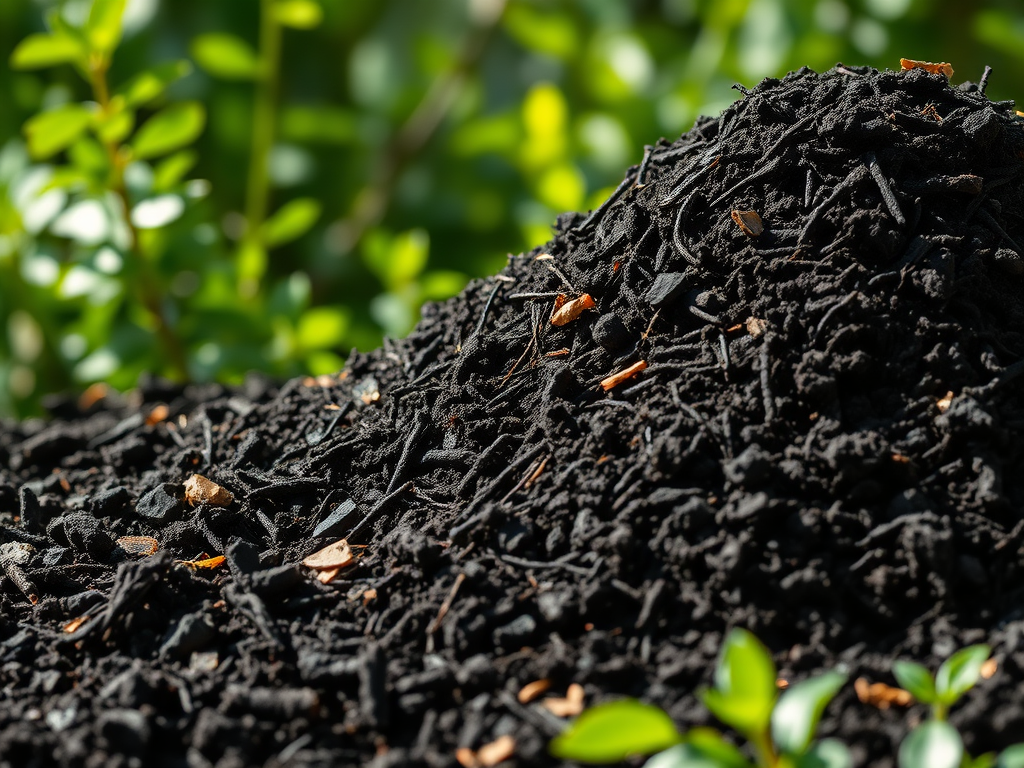
Hosney et al., in a study published in Water Reuse, investigated the removal of micropollutants from domestic wastewater effluent using biocharBiochar is a carbon-rich material created from biomass decomposition in low-oxygen conditions. It has important applications in environmental remediation, soil improvement, agriculture, carbon sequestration, energy storage, and sustainable materials, promoting efficiency and reducing waste in various contexts while addressing climate change challenges. More derived from softwood and sewage sludge. The study evaluated the efficacy of various biochar types in eliminating micropollutants to ensure safe reuse practices. The research highlighted the potential of biochar as a sustainable and cost-effective solution for wastewater treatment.
Biochar is a carbon-rich material produced through the pyrolysisPyrolysis is a thermochemical process that converts waste biomass into bio-char, bio-oil, and pyro-gas. It offers significant advantages in waste valorization, turning low-value materials into economically valuable resources. Its versatility allows for tailored products based on operational conditions, presenting itself as a cost-effective and efficient More of biomassBiomass is a complex biological organic or non-organic solid product derived from living or recently living organism and available naturally. Various types of wastes such as animal manure, waste paper, sludge and many industrial wastes are also treated as biomass because like natural biomass these More, a process involving the thermal decomposition of organic matter in the absence of oxygen. The study demonstrated that biochar can effectively remove various micropollutants, including diclofenac, carbamazepine, benzotriazole, irbesartan, and metformin, from wastewater. The removal efficiency varied depending on the type of biochar and the micropollutant.
The study also explored the interactive impacts of operational variables, such as contact reaction time, biochar amount, and micropollutant concentration, on the removal efficiency. The findings revealed that softwood-biochar can remove benzotriazole, carbamazepine, diclofenac, irbesartan, and metformin. The research concluded that biochar offers a promising solution for the development of a low-cost sorption-based micropollutant removal technique for safe reuse. The study’s findings have implications for the development of sustainable wastewater treatment technologies to ensure safe water reuse practices.
SOURCE: Hosney, H., ElShourbagy, M., Abdelrady, A., Wagner, T., Borén, E., Ahmed, M., & Lens, P. N. (2025). Micropollutant removal from domestic wastewater effluent by softwood-biochar and sludge-biochar for safe reuse applications. Water Reuse, 2025(0), 1-11. https://doi.org/10.2166/wrd.2025.095





Leave a Reply