
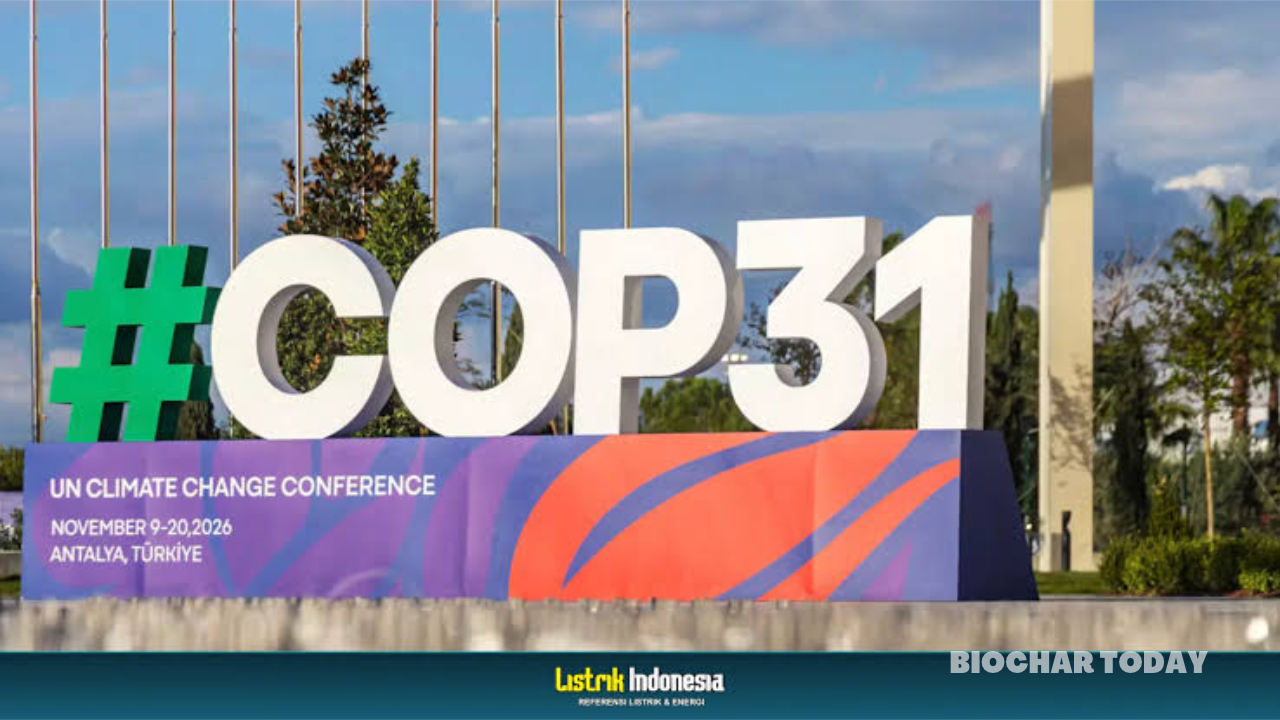
At the 31st United Nations Climate Change Conference (COP31) in Antalya, Türkiye, Indonesia’s Ministry of Environment, working alongside the Daya Anagata Nusantara Investment Management Agency (Danantara), introduced a comprehensive pipeline of thirty strategic carbon projects through the newly unveiled CarbonNex platform. Designed to connect domestic project developers directly with international investors, financial institutions, and corporate buyers, the initiative presents a diversified portfolio spanning forestry, waste management, and renewable energy to systematically expand global climate financing and fulfill national emission reduction targets.
The initiative directly addresses longstanding financial, regulatory, and technical bottlenecks that have historically hindered the scale-up of robust carbon removal and mitigation projects across emerging markets. Project developers face persistent difficulties in securing stable international capital, ensuring transparent carbon accounting, and bridging the trust gap between grassroots environmental initiatives and discerning institutional buyers. Without a centralized, high-integrity digital framework to vet and showcase these ventures, mobilizing adequate private and bilateral investment to achieve measurable climate outcomes remains severely constrained.
To resolve these systemic barriers, the CarbonNex platform establishes a structured marketplace that organizes Indonesia’s carbon portfolio into clear stages of maturity—featuring two fully certified projects, eight undergoing active certification, and twenty currently in development. Furthermore, the Indonesian government reinforced this framework by securing significant bilateral partnerships, such as a major carbon cooperation agreement with Norway covering 12 million tonnes of carbon dioxide equivalent over a ten-year period, alongside collaborative forestry dialogues with Japan under the Joint Crediting Mechanism to advance regional sustainability.
These coordinated actions successfully broaden Indonesia’s international climate financing pathways and establish a rigorous benchmark for institutional carbon market governance. By systematically categorizing project maturity, enhancing measurement and verification protocols, and cementing binding international agreements, the nation enhances institutional transparency, accelerates low-carbon development, and provides global investors with verified avenues to support large-scale carbon removal and mitigation while driving sustainable economic growth across local communities.



Leave a Reply